Physical Address
304 North Cardinal St.
Dorchester Center, MA 02124
Physical Address
304 North Cardinal St.
Dorchester Center, MA 02124

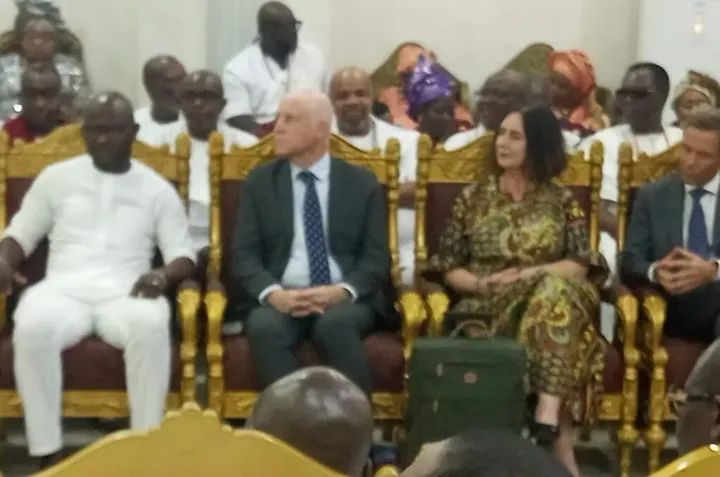
The Netherlands has returned a looted Benin artefact to the Oba of Benin, Oba Ewuare II, 129 years after the British invasion of the Benin Kingdom in 1897. The return marks another significant development in the growing international movement to restore African cultural treasures taken during colonial conquest and military expeditions. For the people of Benin, the artefact represents more than an object of historical value; it is a connection to their ancestral heritage, traditional institutions and the rich history of a kingdom that was once one of the most influential centres of civilisation in West Africa.The 1897 invasion remains one of the most painful episodes in the history of the Benin Kingdom. British forces invaded Benin City, overthrew the existing political order and looted thousands of valuable objects from the royal palace and other locations. These objects included intricately crafted bronze plaques, commemorative heads, ivory carvings and other artistic works produced by highly skilled Benin craftsmen. Many of the items were subsequently transported to Europe and dispersed among museums, private collectors and cultural institutions, where they became part of collections far removed from the communities that created them.For generations, the people of Benin have maintained that these objects were taken under circumstances that denied them the opportunity to preserve their cultural heritage on their own terms. The artefacts are closely associated with the history of the Oba, the royal court, religious practices and the artistic traditions of the kingdom. Their removal therefore represented not only the loss of valuable artworks but also a disruption of the cultural environment in which they were created, used and understood.
The decision by the Netherlands to return the artefact to Oba Ewuare II is consequently an important moment in the continuing discussion about historical justice and the ownership of cultural property. Although the return of a single object cannot reverse the events of 1897, it represents a practical step towards addressing some of the consequences of colonial-era looting. It also reinforces the argument that cultural treasures should be considered in the context of their origins, the circumstances under which they were removed and the communities whose history they represent.
Oba Ewuare II, as the traditional ruler of the Benin Kingdom, occupies a central position in efforts to preserve and promote the kingdom’s cultural identity. The royal palace has remained an important custodian of Benin traditions, history and artistic heritage. The return of the artefact to the Oba therefore carries particular significance because it reconnects the object with the traditional institution and community with which it is historically associated. It also provides an opportunity for younger generations to learn more about their heritage and appreciate the achievements of their ancestors.
The development comes amid growing international pressure on museums, governments and private collectors to examine the origins of African artefacts held in their possession. Across Europe and other parts of the world, institutions have faced renewed calls to return objects acquired during colonial rule, military expeditions and other unequal historical encounters. In many cases, the debate has moved beyond whether restitution should take place to questions about how returns should be organised, which institutions should receive the objects and how the artefacts can be preserved and made accessible to the public.
Benin artefacts have featured prominently in these discussions because of the scale of the 1897 looting and the artistic importance of the objects taken from the kingdom. The celebrated Benin Bronzes, a broad collection of metal and other artworks, demonstrate the technical skill, creativity and sophisticated artistic traditions of Benin craftsmen. Their historical significance has attracted international scholarly attention, while their presence in foreign collections has continued to raise questions about colonialism, cultural ownership and the responsibility of institutions to confront the origins of their holdings.
The return also highlights the importance of cooperation between Nigeria, traditional institutions and foreign governments in securing the restoration of cultural property. Repatriation efforts often require historical research, documentation, diplomatic engagement and negotiations over the transfer of ownership and custody. While these processes can take considerable time, successful returns demonstrate that international collaboration can help address longstanding grievances and establish a more respectful relationship between cultural institutions and the communities whose heritage they hold.
Beyond its historical significance, the return of Benin artefacts could contribute to cultural education, tourism and the preservation of traditional craftsmanship. Properly documented and preserved objects can help researchers, students and visitors understand the political organisation, religious beliefs and artistic achievements of the Benin Kingdom. They can also strengthen local efforts to pass cultural knowledge from one generation to another. However, the wider benefits will depend on continued investment in conservation, public education and the development of institutions capable of safeguarding these treasures for the future.
Ultimately, the Netherlands’ return of the Benin artefact to Oba Ewuare II, 129 years after the 1897 invasion, represents another chapter in the long struggle to restore Africa’s looted cultural heritage. The significance of the development extends beyond the transfer of an individual object, serving as a reminder that historical injustices continue to shape contemporary debates about identity, ownership and cultural responsibility. Although many Benin treasures remain outside Nigeria, each successful restitution brings renewed attention to the kingdom’s history and strengthens calls for other institutions holding looted African artefacts to consider their return. For the people of Benin, the restoration of these objects is not simply about reclaiming the past; it is also about protecting their cultural identity and ensuring that future generations remain connected to the history of their ancestors.