Physical Address
304 North Cardinal St.
Dorchester Center, MA 02124
Physical Address
304 North Cardinal St.
Dorchester Center, MA 02124

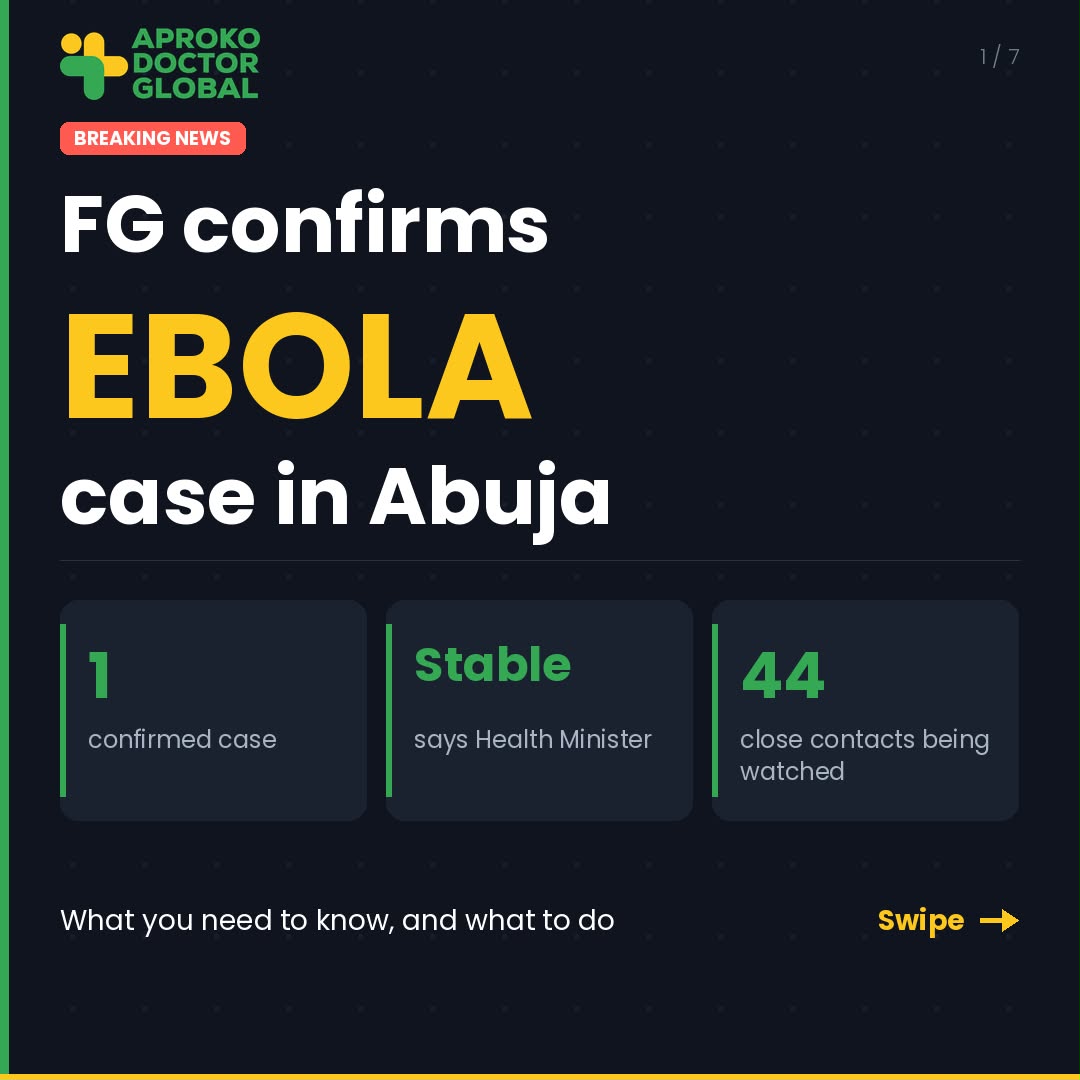
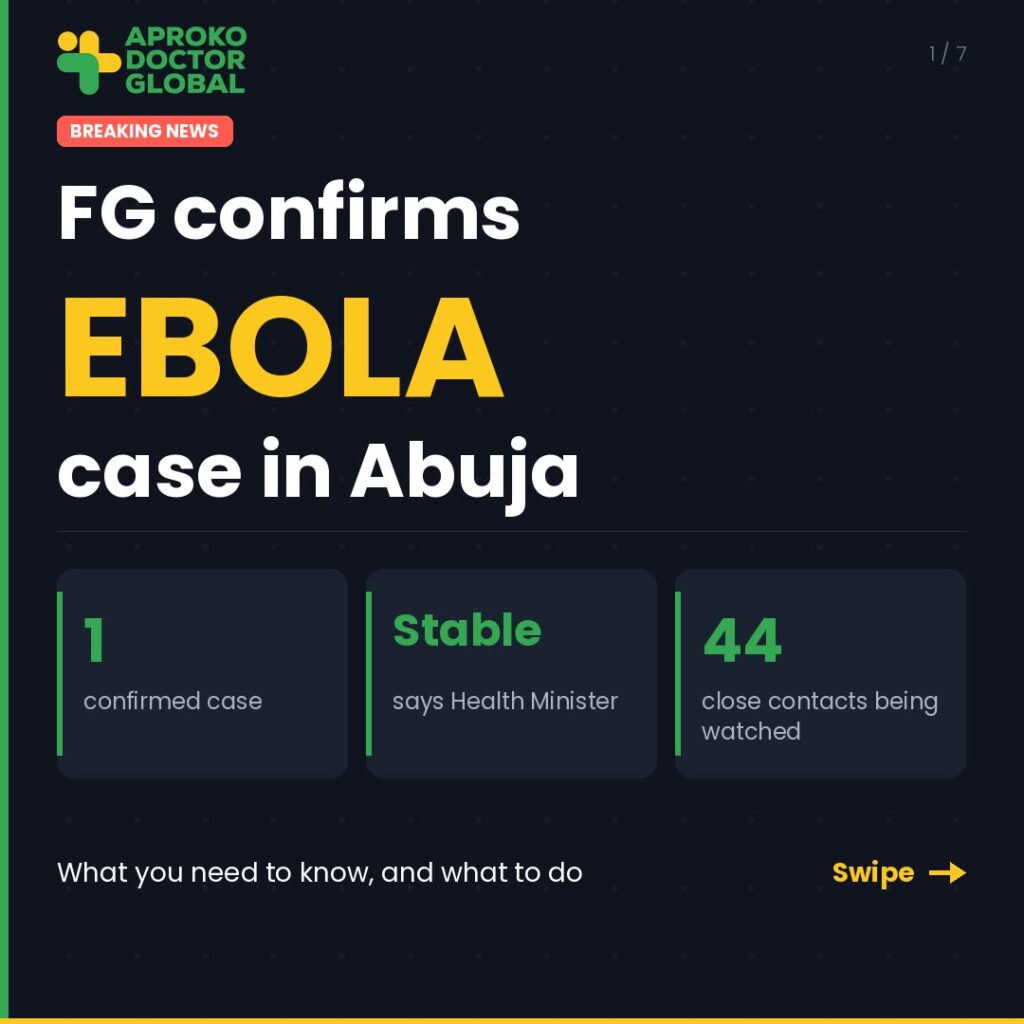
Concerns over public health have emerged following a report attributed to Dr. Odianosen Ehiakhamen, Incident Manager of the National Ebola Disease Response, that 44 contacts have been identified in connection with a suspected Ebola incident in the Federal Capital Territory (FCT), Abuja. According to the information provided, the contacts are mainly healthcare workers and hospital support staff who may have been exposed to the patient during their professional duties. The reported development highlights the importance of rapid contact tracing, effective infection prevention measures and transparent communication during a potential public health emergency.
According to the account attributed to Ehiakhamen, the patient arrived in Nigeria on October 5 and began experiencing the first symptoms on October 7. The patient reportedly visited a healthcare facility on October 11 and has remained there since then. These dates are important to investigators because establishing the timeline of the patient’s arrival, the onset of symptoms and subsequent medical care can help determine who may have been exposed and what measures are necessary to prevent further transmission.
The report further indicates that the events under investigation occurred within a hospital setting. This makes the identification of healthcare workers, support staff and other individuals who may have had contact with the patient particularly important. Hospitals must maintain strict infection prevention and control procedures when dealing with patients who may have a serious infectious disease. However, the identification of contacts does not automatically mean that those individuals have contracted the disease.
The reported identification of 44 contacts represents an important step in the contact-tracing process. Public health officials typically identify people who may have been exposed, assess the nature and timing of their contact with the affected individual, and determine the appropriate monitoring arrangements. Depending on the findings of the investigation, contacts may be advised to monitor their health, report symptoms promptly and follow instructions issued by health authorities. The objective is to detect any possible infection early and limit further transmission.
Healthcare workers are particularly important in investigations involving suspected or confirmed infectious diseases because they may have direct contact with patients during examinations, treatment and other medical procedures. Hospital support staff may also require assessment depending on their duties and the nature of their interactions with the patient. Appropriate protective equipment, hand hygiene, environmental cleaning and adherence to infection-control protocols are essential measures for reducing occupational exposure in healthcare settings.
Ebola is a serious viral disease that can cause severe illness and, in some cases, death. It is transmitted primarily through direct contact with the blood or other bodily fluids of a person who is sick with or has died from the disease, or through contact with contaminated materials. It is not generally spread through the air in the same manner as influenza or measles. Understanding how the virus spreads is important because accurate information helps people take appropriate precautions without creating unnecessary fear.
Members of the public should remain calm and avoid spreading unverified claims about the reported incident. Anyone who believes they may have had direct contact with a suspected or confirmed Ebola patient should contact the relevant public health authorities for guidance rather than attempting to manage the situation alone. People should also avoid contact with the blood and other bodily fluids of anyone who is ill and should maintain good hand hygiene. Anyone experiencing symptoms after a potential exposure should seek immediate advice from health professionals and disclose their possible exposure.
It is also important to understand that symptoms such as fever, headache, muscle pain, weakness, vomiting and diarrhoea can occur in several illnesses and do not, on their own, establish an Ebola diagnosis. The disease can initially resemble other infections, making professional assessment and appropriate laboratory testing essential. Anyone with concerning symptoms and a relevant exposure history should contact healthcare professionals promptly and follow their instructions on how to obtain care safely, rather than arriving unannounced at a facility without notifying staff.
For residents of Abuja and other parts of Nigeria, the next steps depend on verified information from the Nigeria Centre for Disease Control and Prevention (NCDC), the Federal Ministry of Health and Social Welfare, and the relevant FCT health authorities. These agencies are responsible for communicating confirmed cases, explaining the public health response and issuing appropriate guidance. Their updates should take precedence over forwarded messages and social media posts that may contain incomplete or misleading information. Until an official confirmation is available, the reported case should not be presented as definitively confirmed.
Ultimately, the reported identification of 44 contacts underscores the importance of early detection, accurate information and coordinated public health action whenever a serious infectious disease is suspected. The timeline provided by Ehiakhamen, including the patient’s reported arrival on October 5, the onset of symptoms on October 7 and attendance at a healthcare facility on October 11, will be relevant to understanding the circumstances of the incident if verified by the authorities. Nigerians should remain informed, follow official health advisories and avoid unnecessary panic while public health officials establish the facts and determine what action is required.