Physical Address
304 North Cardinal St.
Dorchester Center, MA 02124
Physical Address
304 North Cardinal St.
Dorchester Center, MA 02124

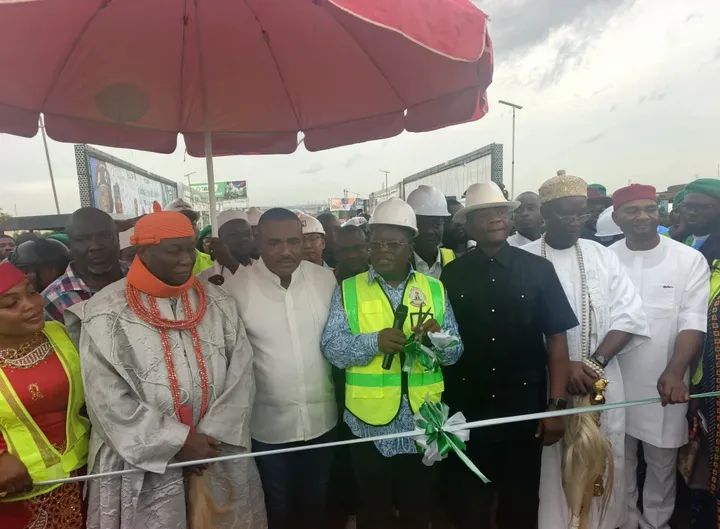
The Federal Government has reopened the First Niger Bridge linking Onitsha in Anambra State with Asaba in Delta State following a 38-day closure for emergency rehabilitation works. The reopening brings relief to motorists, commuters, traders, transport operators and other road users who have had to contend with the inconvenience caused by the temporary shutdown of the important transport route. The bridge is one of the busiest river crossings in the country, serving as a vital link between the South-East and South-South regions and other parts of Nigeria.
The closure was necessary to allow engineers and construction workers to carry out emergency rehabilitation on the bridge. Although the shutdown created significant challenges for people who depend on the route for their daily activities, the intervention was aimed at addressing maintenance needs and improving the condition of the infrastructure. Bridges of this importance require regular inspection and timely repairs to ensure that they remain safe and capable of accommodating the heavy volume of traffic that passes through them every day.
For thousands of commuters, the reopening is a welcome development after more than five weeks of having to make alternative travel arrangements. The closure affected people travelling between Anambra and Delta states, including workers, students, business owners and families who frequently cross the Niger River. With the bridge now reopened, road users can resume using the familiar route, potentially reducing the additional travel time and expenses associated with alternative routes.
The First Niger Bridge plays a particularly important role in commercial activities across the country. Onitsha is widely recognised as a major commercial centre in south-eastern Nigeria, attracting traders and buyers from different states, while Asaba serves as a significant administrative and commercial hub in Delta State. The movement of goods and people between these cities supports numerous businesses, from large-scale distributors to small traders whose livelihoods depend on the regular flow of customers and merchandise.
The closure also highlighted how much Nigeria’s transport network depends on a relatively small number of major bridges and highways. When a critical crossing such as the First Niger Bridge becomes unavailable, the consequences extend beyond the immediate communities on either side of the river. Transport companies may face increased operating costs, delivery schedules can be disrupted, and passengers may experience longer journeys. These challenges can affect the prices of goods and the profitability of businesses that rely on efficient transportation.
The Federal Government’s decision to undertake emergency rehabilitation reflects the need to maintain strategic infrastructure rather than wait until deterioration becomes more severe. However, the long-term value of such projects will depend on the quality of the work carried out, effective monitoring and a consistent maintenance programme. Timely intervention can help prevent more extensive damage, reduce the likelihood of future disruptions and protect public investment in essential infrastructure.
With the bridge reopened, motorists are expected to benefit from improved access between Onitsha and Asaba. Nevertheless, road users should continue to exercise caution, obey traffic regulations and follow any instructions issued by traffic management officials, particularly if rehabilitation-related restrictions or adjustments remain in place. Drivers of heavy-duty vehicles should also comply with applicable road and bridge safety requirements to help protect the structure and ensure the safety of other users.
The reopening is equally important for businesses involved in the movement of agricultural produce, manufactured goods, building materials and other commodities. A reliable crossing over the Niger River helps connect producers, wholesalers, retailers and consumers across different parts of the country. For traders who experienced delays during the closure, the restoration of normal access offers an opportunity to resume regular business operations and reduce some of the logistical difficulties they encountered.
Beyond the immediate relief, the development renews attention to the condition of Nigeria’s critical transport infrastructure. Bridges, highways and other public assets require continuous maintenance, adequate funding and transparent supervision. While emergency repairs are sometimes unavoidable, a more sustainable approach would involve regular structural assessments, preventive maintenance and timely communication with the public whenever major road works are necessary. Such measures can help reduce unexpected closures and allow commuters and businesses to plan their journeys more effectively.
The reopening of the First Niger Bridge after 38 days therefore represents more than the restoration of a familiar route between Anambra and Delta states. It restores an important connection for commerce, transportation and everyday life while underscoring the need to preserve infrastructure that millions of Nigerians depend on. As motorists return to the bridge, attention will turn to the durability of the rehabilitation work and the government’s commitment to maintaining the country’s strategic transport links to ensure that they remain safe, reliable and accessible.