Physical Address
304 North Cardinal St.
Dorchester Center, MA 02124
Physical Address
304 North Cardinal St.
Dorchester Center, MA 02124

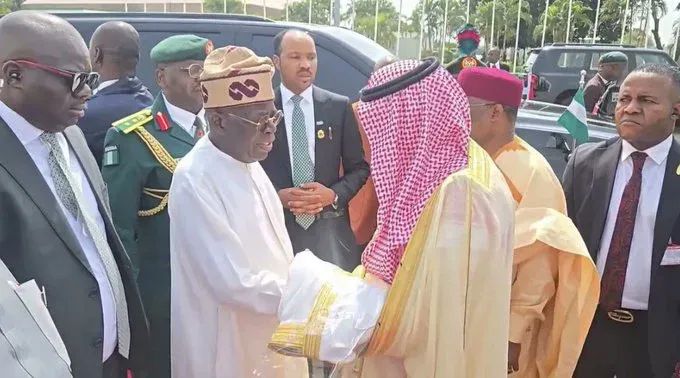
President Bola Ahmed Tinubu has departed Abuja for Makkah, Saudi Arabia, to perform Umrah, the Islamic lesser pilgrimage. The President’s journey is both a personal spiritual undertaking and an opportunity for reflection and prayer for Nigeria’s peace, stability, unity and economic progress. His departure has drawn attention as Nigerians continue to look to the Federal Government for solutions to the country’s persistent economic and security challenges.
Umrah is an Islamic pilgrimage to the holy city of Makkah that can be undertaken at different times of the year, unlike Hajj, which takes place during a specified period in the Islamic calendar. The pilgrimage involves religious rites performed by Muslims as an act of worship, devotion and submission to Allah. For many Muslims, it is also a period of spiritual renewal, seeking forgiveness and offering prayers for personal and collective well-being.
During the pilgrimage, Tinubu is expected to pray for Nigeria’s continued progress and the well-being of its citizens. The President’s spiritual exercise comes at a time when the country is navigating significant economic and social difficulties, including the rising cost of living, transportation expenses, unemployment and concerns about national security. These issues remain central to public discussions about the direction of the administration and the future of Africa’s most populous country.
Nigeria’s economic situation has placed considerable pressure on households and businesses across the country. Although the Federal Government has introduced several economic reforms aimed at improving public finances and stimulating long-term growth, many citizens continue to express concerns about the immediate effects of those policies on their daily lives. Consequently, Nigerians are looking for tangible improvements in purchasing power, employment opportunities, infrastructure and access to essential services.
Security also remains an important issue for the country, with communities in different regions facing varying threats, including banditry, kidnapping, communal violence and other criminal activities. The protection of lives and property is a fundamental responsibility of government, and citizens continue to expect stronger security measures and effective cooperation among relevant agencies. Prayers for peace and stability therefore carry particular significance for families and communities affected by insecurity.
Beyond economic and security concerns, national unity remains essential to Nigeria’s long-term development. The country is home to diverse ethnic groups, religious communities and cultural traditions, making mutual understanding and respect important elements of peaceful coexistence. As the President undertakes the spiritual journey, the broader hope is that Nigeria will continue to strengthen national cohesion, promote justice and ensure that citizens from different backgrounds can pursue their aspirations without fear or discrimination.
The President’s trip also highlights the place of faith in the lives of many Nigerians. Religious observances, including prayer and pilgrimage, remain important to millions of people who draw strength, hope and guidance from their beliefs. For public officeholders, however, spiritual commitments exist alongside the practical responsibilities of governance, which require consistent attention to public policy, service delivery and the implementation of decisions intended to improve citizens’ welfare.
While the President is away, the administration’s ongoing responsibilities remain significant. Nigerians will continue to expect progress on infrastructure development, electricity supply, transportation, healthcare, education, job creation and other areas directly connected to national development. The effectiveness of government policies will ultimately be assessed not only by official announcements but also by the extent to which they produce measurable improvements in the lives of ordinary citizens.Tinubu’s prayers for Nigeria’s progress are likely to resonate with citizens who hope for a more peaceful, prosperous and secure country. Across communities, many Nigerians continue to desire an economy that offers meaningful opportunities, public institutions that function effectively and a society where hard work can provide a reasonable standard of living. These aspirations cut across religious, ethnic and political differences and remain central to the national conversation about Nigeria’s future.
As President Tinubu undertakes Umrah in Makkah, the central expectation among Nigerians is that the country will continue moving towards peace, economic recovery and inclusive development. While prayer is an important expression of faith for believers, the nation’s progress will also depend on responsible leadership, sound policies, institutional accountability and the collective efforts of citizens. For many Nigerians, the hope is that the President’s spiritual journey will be accompanied by renewed determination to address the challenges facing the country and deliver a better future for its people.