Physical Address
304 North Cardinal St.
Dorchester Center, MA 02124
Physical Address
304 North Cardinal St.
Dorchester Center, MA 02124

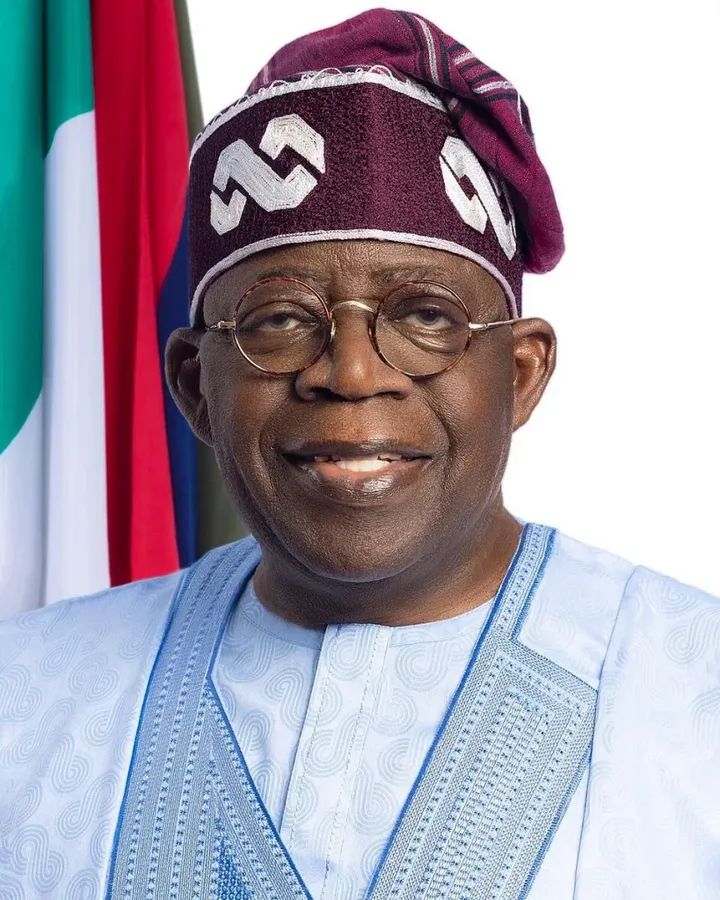
President Bola Ahmed Tinubu has defended his administration’s decision to secure additional loans, arguing that the funds will be channelled into critical infrastructure projects capable of creating long-term economic opportunities for Nigeria. The President maintained that borrowing should not automatically be viewed as a burden on the country, particularly when the resources are invested in projects designed to improve productivity, expand economic activities and strengthen national development. His position comes amid continuing public debate over Nigeria’s rising debt profile, the cost of servicing existing loans and the impact of government borrowing on the welfare of ordinary citizens. Tinubu’s argument is that responsible borrowing, when properly managed and directed towards productive investments, can provide the foundation for sustainable economic growth.According to the President, the new loans are intended to support infrastructure development across key sectors of the Nigerian economy. Infrastructure remains a major component of economic development, as functional roads, reliable electricity, efficient transportation systems, modern healthcare facilities and improved educational institutions can create an environment in which businesses and individuals thrive. Tinubu’s administration has repeatedly presented infrastructure investment as an important part of its economic reform agenda, maintaining that the country cannot achieve its full development potential without addressing long-standing deficits in essential public facilities. The President’s latest defence of borrowing reflects the administration’s position that some projects require substantial upfront financing before their economic benefits can be fully realised.
Tinubu’s argument also rests on the belief that infrastructure investment can generate opportunities that extend beyond the immediate period of construction. Large-scale projects can create employment for engineers, construction workers, transport operators, suppliers and other professionals, while improved infrastructure can reduce the cost of doing business and encourage private investment. For instance, better roads can facilitate the movement of agricultural produce from rural communities to urban markets, while more efficient transport networks can reduce travel time and improve access to commercial centres. Similarly, investments in electricity and logistics can help manufacturers reduce operating costs and expand production. If properly executed, such projects may strengthen economic activity and generate additional revenue for businesses and government over time.
However, the President’s position comes against the background of growing concerns about Nigeria’s public debt and the financial obligations associated with borrowing. Successive administrations have relied on domestic and external loans to finance public expenditure, infrastructure development and other government programmes. Although borrowing can provide resources that may not be immediately available through taxation and other revenue sources, it also creates repayment obligations that must be met from future government income. For Nigeria, where revenue generation has remained a persistent challenge, the central question is whether the economic benefits of additional borrowing will be sufficient to justify the financial commitments being undertaken. Tinubu’s administration must therefore demonstrate that the loans are not merely increasing public liabilities but are supporting investments with measurable developmental returns.
Debt servicing is particularly important in assessing the sustainability of the government’s borrowing strategy. A significant portion of government revenue committed to interest payments and debt repayment may leave fewer resources available for healthcare, education, security, social protection and other essential public services. This concern has become more pronounced as Nigerians continue to face high living costs, rising transportation expenses and pressure on household incomes. Citizens are therefore likely to judge the government’s borrowing decisions not only by the number of projects announced but also by the practical improvements those investments deliver. The administration will need to explain how the new loans will be repaid, the revenue sources expected to support repayment and the safeguards in place to prevent debt obligations from undermining future public spending.Another important consideration is the management and transparency of borrowed funds. Even when loans are obtained for legitimate developmental purposes, their effectiveness depends on whether the money is spent on the projects for which it was approved. Delays, inflated contract costs, abandoned projects, weak supervision and corruption can reduce the benefits of public borrowing and leave taxpayers with debts without corresponding improvements in infrastructure. For this reason, the success of Tinubu’s strategy will depend on strong procurement procedures, independent oversight, transparent project reporting and clear accountability for public expenditure. Nigerians will expect the government to provide sufficient information about the projects being financed, their total costs, implementation timelines and the expected economic benefits.
The government’s borrowing strategy also raises questions about the relationship between public investment and private-sector growth. Supporters of infrastructure-led development argue that well-targeted public spending can stimulate private investment by reducing operational difficulties and creating more favourable conditions for businesses. When roads are accessible, electricity supply is reliable and transportation networks function efficiently, companies may be more willing to expand operations, employ additional workers and invest in new facilities. Nevertheless, excessive or poorly structured government borrowing can create competing pressures within the financial system and increase the cost of financing for private businesses. The administration must therefore strike a balance between funding essential infrastructure and maintaining a fiscal environment that encourages entrepreneurship, investment and employment creation.
For ordinary Nigerians, the ultimate measure of success will be whether the borrowing strategy produces tangible improvements in living conditions. Infrastructure projects may be described in terms of kilometres of roads constructed, bridges completed or facilities commissioned, but their broader value lies in how they improve people’s daily lives. Farmers should be able to transport their produce more easily, traders should experience lower logistics costs, students should have better access to educational institutions, and businesses should operate in an environment that supports expansion. These improvements can contribute to productivity and economic opportunity, but they must be assessed against the amount borrowed and the obligations passed on to future taxpayers. The President’s promise of future opportunities will therefore require visible results rather than assurances alone.The debate over Nigeria’s borrowing also highlights the importance of expanding government revenue through sustainable economic activity. While loans can provide temporary financing for major projects, they cannot indefinitely substitute for an effective revenue system and a productive economy. Improving tax administration, reducing wasteful expenditure, strengthening public enterprises and supporting sectors capable of generating employment and foreign exchange could help Nigeria reduce its dependence on borrowing over time. Agriculture, manufacturing, technology, solid minerals and the creative industries are among the areas that can contribute to economic diversification when supported by appropriate policies and reliable infrastructure. If borrowing helps unlock growth in these sectors, the resulting economic activity could strengthen the country’s capacity to meet its financial obligations. If growth fails to materialise, however, repayment could become more difficult.
Ultimately, Tinubu’s defence of the new loans presents a development argument that must be tested against financial discipline, transparency and measurable outcomes. Borrowing is not inherently harmful, just as it does not automatically guarantee progress; its value depends on the purpose for which the money is obtained, the terms of repayment, the quality of project implementation and the economic returns generated. The administration must demonstrate that the funds are being invested in projects that address Nigeria’s most pressing infrastructure needs and create benefits that extend beyond its tenure. As the debate continues, Nigerians will be watching closely to determine whether the new borrowing delivers the promised opportunities or adds to the country’s financial challenges. The central issue is not simply how much Nigeria borrows, but whether every borrowed naira contributes meaningfully to a more productive economy and a better future for its citizens.