Physical Address
304 North Cardinal St.
Dorchester Center, MA 02124
Physical Address
304 North Cardinal St.
Dorchester Center, MA 02124

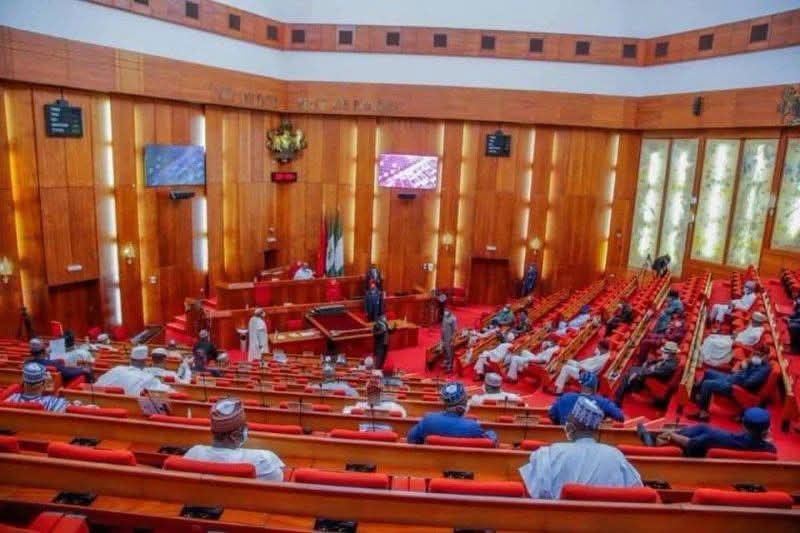
The Nigerian Senate has called for the urgent release of emergency funds from the Ecological Fund to address the growing threat of gully erosion and landslides in Cross River South Senatorial District, where the environmental crisis has reportedly claimed lives and destroyed homes. The lawmakers are seeking immediate intervention to prevent further casualties and protect communities facing the devastating consequences of unchecked erosion. The appeal comes amid growing concerns over the safety of residents, the destruction of properties and the possibility that continued environmental degradation could leave more families homeless. For affected communities, the situation has become an urgent humanitarian concern that requires more than promises of future intervention.
The Senate’s demand reflects the seriousness of the environmental challenges confronting parts of Cross River State, particularly communities where heavy rainfall, vulnerable soil structures and inadequate drainage systems have contributed to erosion. Gully erosion occurs when flowing water gradually removes soil, creating deep channels that can expand over time and threaten houses, roads, farmland and other infrastructure. When these gullies become extensive, they can undermine building foundations, cut off access routes and make entire areas unsafe for habitation. In severe cases, landslides may occur when weakened soil collapses, putting residents at immediate risk. The situation in Cross River South has therefore raised questions about the urgency of government intervention and the resources available to address the crisis.
According to the concerns raised by lawmakers, the environmental emergency has already resulted in deaths and the destruction of residential properties. Such incidents can have devastating consequences for families who may lose their homes, belongings and sources of livelihood within a short period. Residents living close to expanding gullies often face the constant fear that another period of heavy rainfall could cause further damage or force them to abandon their homes. Beyond the immediate danger to human life, the destruction of buildings and community infrastructure can leave affected households struggling to find alternative accommodation and rebuild their lives. The Senate’s call for emergency funding is therefore aimed at preventing further damage while addressing the immediate needs of vulnerable residents.
At the centre of the proposed intervention is the Ecological Fund, a special funding mechanism established to support efforts to address ecological challenges and environmental emergencies across Nigeria. The fund is intended to help governments respond to problems such as erosion, flooding, desertification and other forms of environmental degradation. By seeking an urgent release of resources from this fund, the Senate is calling for the government to treat the situation in Cross River South as a priority requiring prompt financial and technical intervention. However, the effectiveness of any allocation will depend on how quickly the funds are released, the quality of the projects undertaken and the level of oversight provided to ensure that the money is used for its intended purpose.
The proposed intervention will need to go beyond temporary measures if it is to provide lasting relief to affected communities. Emergency action may include identifying dangerous locations, evacuating residents from areas at immediate risk, restricting access to unstable ground and providing temporary accommodation for displaced families. Engineers and environmental specialists would also need to assess the affected sites to determine the extent of the damage and identify the most appropriate solutions. Depending on the circumstances, these could include constructing effective drainage channels, stabilising vulnerable slopes, installing erosion-control structures and restoring vegetation in degraded areas. A properly coordinated response would help reduce immediate danger while laying the groundwork for longer-term environmental rehabilitation.
The crisis also highlights the importance of improving drainage infrastructure and managing surface water in erosion-prone communities. When rainwater is allowed to flow unchecked across exposed soil, it can gradually create channels that deepen and widen with every period of heavy rainfall. Poorly designed roads, blocked drains, uncontrolled construction and inadequate land management can worsen the problem by concentrating water in vulnerable locations. Addressing these contributing factors will require cooperation between federal, state and local authorities, alongside the involvement of environmental experts and community representatives. Without proper planning and maintenance, even expensive erosion-control projects may fail to deliver lasting results.
For residents of Cross River South, the consequences of the crisis extend beyond the destruction of homes and the immediate threat to human life. Environmental damage can destroy farmland, disrupt local businesses, damage roads and make it more difficult for children to attend school or residents to access healthcare. Families whose livelihoods depend on agriculture may lose valuable land, while traders and small business owners may suffer financial setbacks when roads and commercial areas become inaccessible. Where communities are forced to relocate, the social and economic consequences can persist long after the initial emergency has passed. These realities make timely intervention essential, particularly for households that lack the financial resources to recover independently.
The Senate’s demand also places responsibility on the relevant government agencies to demonstrate that emergency funding can be translated into measurable improvements on the ground. Releasing money is only the first step; the resources must be directed towards projects that address the actual causes and severity of the erosion. Transparent procurement procedures, independent technical assessments and regular monitoring will be important in ensuring that interventions are properly executed. Lawmakers and relevant authorities will also need to establish clear timelines for implementation and assess whether completed projects are effectively protecting communities. Given the reported loss of lives and destruction of properties, accountability will be essential to maintaining public confidence in the government’s response.
In addition to emergency funding, experts and authorities will need to consider a broader strategy for managing environmental risks in Cross River State. This could involve mapping erosion-prone locations, developing early-warning systems, enforcing appropriate land-use regulations and educating residents about the dangers of building too close to unstable gullies. Community participation will also be important because residents are often the first to notice changes in the land, the appearance of cracks in buildings or the rapid expansion of erosion channels. Providing communities with clear information about evacuation procedures and available emergency assistance could help reduce the risk of further casualties. A preventive approach would enable authorities to identify vulnerable areas before environmental damage develops into another humanitarian emergency.
Ultimately, the Senate’s call for the urgent release of Ecological Fund resources underscores the need for a coordinated response to the erosion crisis threatening communities in Cross River South. With reports of deaths and destroyed homes raising alarm, affected residents cannot afford prolonged delays in receiving assistance. Federal and state authorities must work together to ensure that emergency measures are implemented quickly and that long-term solutions are based on sound engineering and environmental assessments. The success of the intervention will be measured not simply by the amount of money released, but by whether lives are protected, homes and infrastructure are safeguarded, and communities can live without the constant fear of losing everything to the next major rainfall.