Physical Address
304 North Cardinal St.
Dorchester Center, MA 02124
Physical Address
304 North Cardinal St.
Dorchester Center, MA 02124

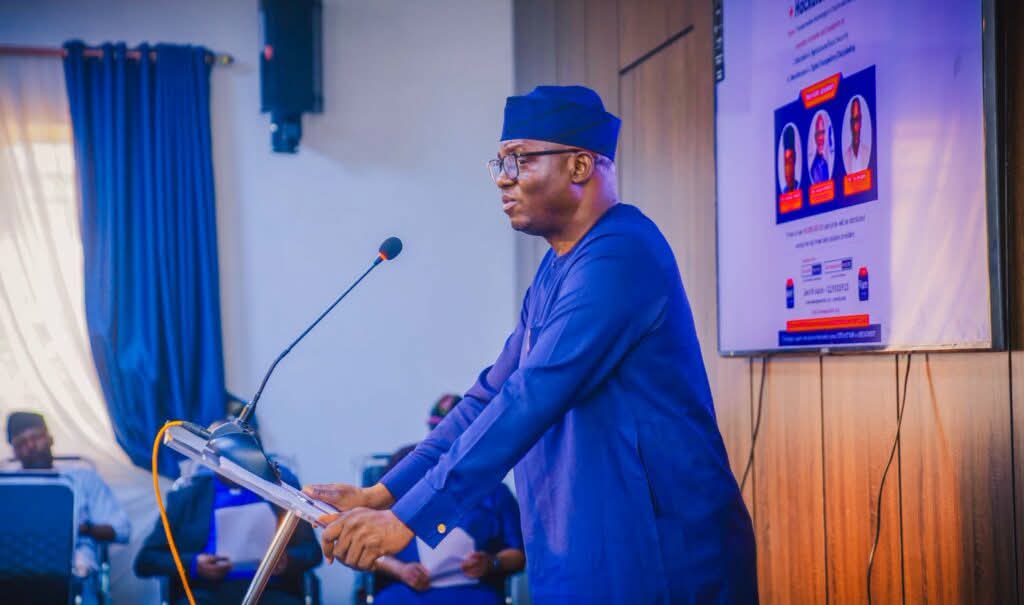
The National Chairman of the All Progressives Congress (APC), Professor Nentawe Yilwatda, has confirmed that the ruling party is seeking political support from influential figures outside its ranks ahead of the 2027 general elections. The move is part of the party’s efforts to strengthen its political base and improve President Bola Tinubu’s chances of securing another term in office.
Yilwatda’s remarks have drawn attention to the APC’s growing interest in building relationships with prominent opposition politicians, including the Minister of the Federal Capital Territory, Nyesom Wike; Osun State Governor Ademola Adeleke; and Anambra State Governor Chukwuma Soludo. Although these politicians have different political affiliations and interests, their influence in their respective political environments makes them significant figures in discussions about the 2027 elections.
The APC’s willingness to seek support beyond its traditional membership reflects the importance of political alliances in Nigeria’s electoral system. With the next presidential election approaching, major political parties are expected to engage in consultations, negotiations and strategic partnerships aimed at securing broader acceptance among voters. Such efforts often involve influential politicians whose personal networks and political structures could affect electoral outcomes.
President Tinubu’s re-election ambition is expected to generate intense political activity as parties position themselves for what could be a highly competitive contest. The APC will need to defend its record in government while convincing Nigerians that the administration deserves another four years. At the same time, opposition parties will be seeking to capitalise on public concerns about economic conditions, insecurity, unemployment and the cost of living.
Wike remains a particularly notable figure in the unfolding political calculations. Although he belongs to the Peoples Democratic Party (PDP), his appointment as FCT minister in the Tinubu administration has placed him in a politically sensitive position. His relationship with the ruling party has continued to attract attention, especially as political actors begin considering their options ahead of 2027. However, any formal decision regarding his political alignment or electoral support should be distinguished from speculation about his future plans.
Adeleke’s position is equally significant because of his influence in Osun State, where the political contest between the PDP and APC has remained intense. As governor, he commands an established political platform and a considerable following. Whether his political choices will benefit the ruling party in 2027 will depend on his own calculations, party commitments and the evolving political situation in the state.
Soludo, who governs Anambra State under the platform of the All Progressives Grand Alliance (APGA), also represents an important political voice outside the APC. His party has maintained its own political identity in the South-East, a region where national parties continue to compete for greater influence. Any discussions involving Soludo and the APC would therefore carry political significance, although the extent of his support for Tinubu should not be assumed without a clear public declaration.
The APC’s outreach to opposition figures also underscores a familiar feature of Nigerian politics: political relationships do not always follow strict party boundaries. Politicians may cooperate on particular issues, support candidates from other parties or negotiate alliances where their interests overlap. Nevertheless, such arrangements can be complicated by competing ambitions, ideological differences, party loyalties and pressure from supporters.
For the opposition, the development presents both a challenge and an opportunity. Parties hoping to unseat the APC in 2027 must work to maintain internal unity, develop a convincing policy agenda and persuade voters that they can offer an alternative to the current administration. The possibility of influential politicians cooperating with the ruling party could complicate those efforts, but it does not automatically determine the outcome of the election.
Ultimately, the 2027 presidential contest will be decided by the choices Nigerians make at the ballot box. Political endorsements and alliances may shape campaigns, but they cannot replace the need for parties and candidates to address the concerns of ordinary citizens. As the APC pursues support from influential figures across party lines, the coming months will reveal whether its outreach translates into concrete political agreements and meaningful electoral advantages.