Physical Address
304 North Cardinal St.
Dorchester Center, MA 02124
Physical Address
304 North Cardinal St.
Dorchester Center, MA 02124

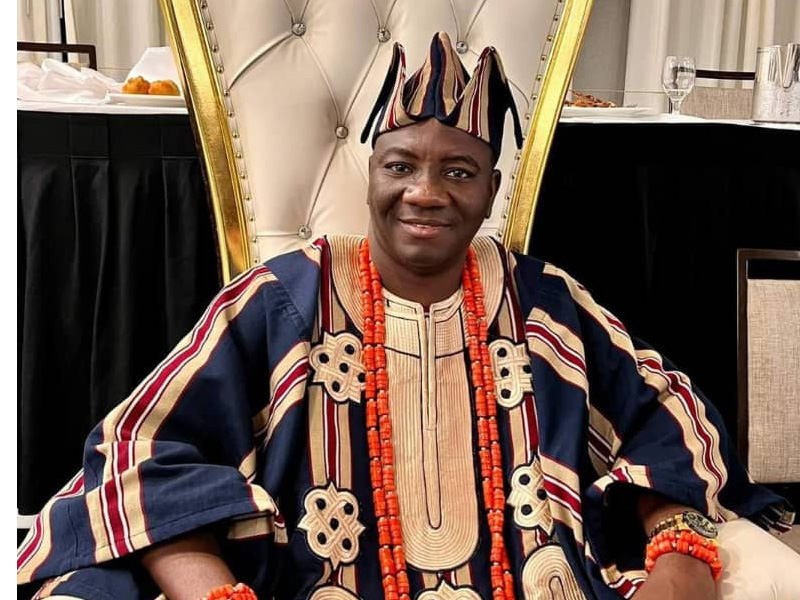
Kwara monarch Oba Ismail Alebiosu has called for the establishment and strengthening of marriage counselling units in central mosques across Nigeria, saying the initiative could help address the rising cases of divorce among Muslim couples and provide families with support before marital disagreements become difficult to resolve.
The monarch made the appeal while speaking on the need for greater attention to the welfare and stability of Muslim families. According to him, mosques should not only serve as places of worship but should also play a meaningful role in helping couples navigate challenges that arise within marriage.
Oba Alebiosu’s proposal is based on the view that many marital problems can be addressed when couples have access to proper counselling, guidance and mediation at an early stage. Rather than waiting until disagreements become deeply entrenched or eventually lead to separation, he wants religious institutions to create accessible channels through which husbands and wives can seek advice from people with appropriate knowledge and experience.
Marriage, in every society, comes with its own challenges. Couples may disagree over finances, communication, extended family responsibilities, child-rearing, expectations, employment and other issues. For Muslim families, religious and cultural considerations can add another layer to these discussions. The monarch’s call therefore places emphasis on creating a structured avenue where couples can receive guidance within an environment they already trust.
The proposed counselling units would essentially provide a first point of intervention for couples experiencing difficulties. Trained counsellors, clerics and other qualified professionals could help couples understand the sources of their disagreements, communicate more effectively and explore possible solutions before matters deteriorate further.
The suggestion also highlights the changing role that religious institutions can play in contemporary society. Central mosques traditionally serve as places for prayers, religious instruction and community gatherings. But they also remain important centres of social interaction, meaning they are well positioned to identify and respond to problems affecting families within their communities.
For many couples, seeking help can be difficult. Some may consider marital problems too private to discuss with outsiders, while others may fear social stigma or judgement. A properly organised counselling unit within a mosque could make it easier for couples to seek assistance discreetly and at an earlier stage.
There is also a need for counselling services to be handled carefully. Marriage counselling should not become an avenue for blaming one spouse for every disagreement. Instead, the objective should be to understand the circumstances of each case, encourage honest communication and help couples make informed decisions about their relationships.
Where domestic abuse, threats to life or other serious forms of harm are involved, however, counselling alone may not be sufficient. Such situations require appropriate protection, professional intervention and, where necessary, lawful action. A counselling system must therefore recognise the difference between ordinary marital disagreements and circumstances in which a person’s safety is at risk.
The monarch’s call comes amid wider concerns about family stability in Nigeria. Divorce and marital separation can have consequences that extend beyond the couple involved, particularly where children are concerned. Children may experience emotional, social and financial difficulties when families break down, while extended families can also become involved in prolonged disputes.
This makes prevention and early intervention particularly important. If couples are encouraged to discuss their problems before resentment becomes deeply rooted, some disagreements may be resolved without reaching the point of separation.
There is also a strong argument for premarital counselling. Rather than waiting until couples encounter serious difficulties, mosques and Islamic organisations could provide structured sessions for intending couples on communication, financial responsibilities, conflict resolution, expectations, parenting and the responsibilities that accompany marriage.
Such programmes could help young people understand that marriage is not simply an event marked by a wedding ceremony but a long-term partnership that requires patience, communication, sacrifice and mutual responsibility.
The involvement of trained professionals would also be important. While religious leaders can provide spiritual and moral guidance, some marital problems may involve psychological, financial, legal or other specialised issues. A modern counselling unit could therefore bring together clerics, family counsellors and relevant professionals where necessary.
Oba Alebiosu’s proposal consequently opens up a broader conversation about how religious and community institutions can respond to changing social realities. The family remains one of the most important units of society, and efforts to strengthen families can have effects that reach schools, communities and the wider economy.
For Muslim couples experiencing difficulties, the availability of a trusted counselling service could provide an opportunity to seek help without immediately moving towards separation. It could also encourage a culture in which asking for guidance is viewed not as an admission of failure but as a responsible attempt to protect a marriage.
At the same time, counselling should not be used to pressure couples to remain in relationships where there is serious abuse or danger. The welfare and dignity of each individual must remain central to any intervention.
The monarch’s message ultimately puts prevention at the heart of the discussion. His call for marriage counselling units in central mosques is an appeal for communities to become more proactive in dealing with family problems rather than waiting until they reach the courts or become permanent family disputes.
If properly designed and professionally managed, such counselling centres could give couples a place to talk, listen and seek guidance before disagreements become irreconcilable. More importantly, they could help restore the idea that when families encounter difficulties, seeking help early is often wiser than allowing silence, resentment and misunderstanding to do the talking.