Physical Address
304 North Cardinal St.
Dorchester Center, MA 02124
Physical Address
304 North Cardinal St.
Dorchester Center, MA 02124
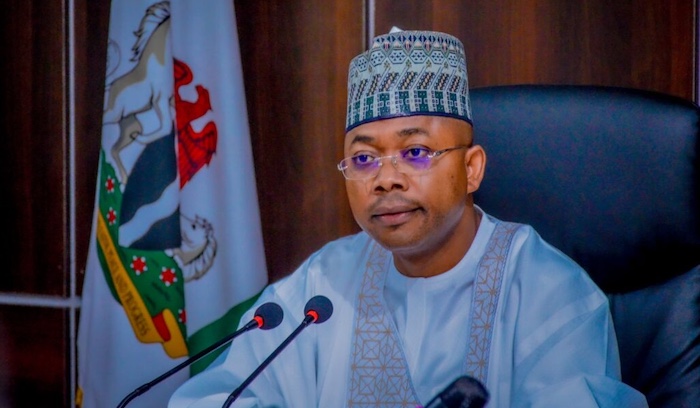
Kogi State Governor, Usman Ododo, has approved the release of N646.8 million for the payment of bursaries to 20,157 Kogi State students, in a move aimed at providing financial support to students pursuing higher education.
Under the new approval, undergraduate students will receive N30,000 each, while students studying medicine and related medical programmes will receive N75,000 each. The adjustment represents an increase in the amount payable to students and comes as families across the country continue to grapple with the rising cost of education, transportation, accommodation, feeding and other expenses associated with university life.
The approval was announced as part of the state government’s efforts to strengthen its support for students and reduce some of the financial pressure associated with pursuing tertiary education. For many families, especially those with more than one child in higher institutions, even seemingly modest education-related expenses can accumulate quickly.
The bursary scheme is therefore expected to provide some relief to beneficiaries, particularly students who depend substantially on financial support from their parents, guardians or relatives to remain in school.
The difference in the approved amounts for undergraduates and medical students reflects the additional financial demands often associated with medical education. Students studying medicine and other health-related disciplines generally spend longer periods in training and may face additional academic and practical requirements throughout their programmes.
For the 20,157 beneficiaries, the bursary could help cover part of their immediate educational expenses. Students may use such assistance for books, learning materials, transportation, accommodation-related costs, feeding and other legitimate needs that come with life in a higher institution.
The approval also comes at a time when the cost of obtaining a university education in Nigeria has become a major concern for many families. Beyond tuition and institutional charges, students have to contend with increasing transportation fares, accommodation costs, food prices, textbooks, internet subscriptions and other day-to-day expenses.
For students studying outside their home communities, the burden can be even greater. Accommodation alone can consume a substantial portion of a family’s education budget, while students who travel regularly between their homes and campuses face additional transportation expenses.
Against this background, bursary payments can provide an important cushion. Although the approved amounts may not cover all the expenses of a student’s academic year, they can nevertheless help beneficiaries meet some immediate needs without placing the entire burden on their families.
The governor’s decision also places attention on the importance of supporting students beyond the classroom. Financial difficulties can affect a student’s ability to concentrate on academic work, particularly when basic needs such as food, transportation and learning materials become difficult to afford.
A bursary does not replace broader investment in education, but it can form part of a wider system of student support. For such programmes to have lasting impact, they need to be accompanied by transparent beneficiary selection, timely payment and clear communication between government agencies, institutions and students.
The number of beneficiaries is also significant. With more than 20,000 students included in the latest approval, the programme reaches a considerable section of Kogi’s student population. It means thousands of families could receive some form of assistance towards the education of their children and wards.
The increased allocation for medical students is particularly noteworthy because Nigeria continues to require a strong pipeline of trained healthcare professionals. Supporting students in medical education can help reduce some of the financial obstacles associated with the long and demanding training required in the profession.
However, financial assistance to medical students is only one part of developing the state’s healthcare workforce. Sustained investment in medical education, teaching facilities, clinical training, scholarships, postgraduate opportunities and employment pathways remains important if students are to successfully transition from training into professional practice.
For undergraduate students in other disciplines, the N30,000 bursary similarly provides support at a time when the cost of tertiary education continues to rise. Whether studying law, engineering, agriculture, sciences, social sciences, education or other fields, students face expenses that extend well beyond academic fees.
The announcement also highlights the importance of state-level intervention in education. While federal institutions and policies play a major role in Nigeria’s tertiary education system, state governments can complement those efforts through scholarships, bursaries, infrastructure projects and other forms of student assistance.
For Kogi students, the immediate concern will now be the implementation of the approval and the timely disbursement of the funds. Beneficiaries will want to know when payments will commence, the process for verification and how the funds will reach eligible students.
The effectiveness of any bursary programme ultimately depends not only on the amount approved but also on how efficiently it gets to the people it was intended to support. Delays, complicated verification procedures or uncertainty over eligibility can reduce the practical value of financial assistance.
The N646.8 million commitment therefore represents more than a government budget figure. Behind the number are thousands of students trying to complete their education and families working to keep their children in school despite economic pressures.
For some beneficiaries, the money could pay for books or academic materials. For another student, it could help with transportation for several weeks. For someone living away from home, it could contribute towards accommodation or feeding. The impact will vary from student to student, but the common thread is that the support provides additional financial breathing space.
As Kogi State continues to develop its education policies, the latest bursary approval is likely to be watched closely by students and parents alike. The real measure of the initiative will be seen in its implementation — whether the funds are released promptly, whether the process remains transparent and whether eligible students receive the support without unnecessary difficulty.
For the 20,157 students covered by the approval, the message from the state government is that their education remains an important part of its development agenda. The challenge now is to ensure that the approved N646.8 million moves from government approval to the bank accounts of the students who need it.