Physical Address
304 North Cardinal St.
Dorchester Center, MA 02124
Physical Address
304 North Cardinal St.
Dorchester Center, MA 02124

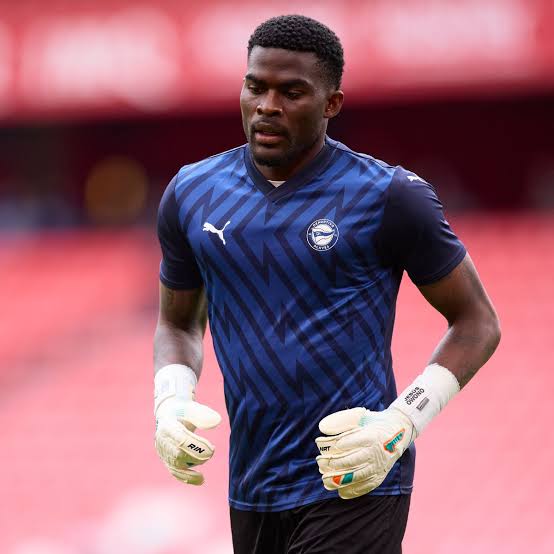
FC Andorra goalkeeper Jesús Owono was reportedly left devastated and broke down in tears in the dressing room following the tragic on-pitch collision that preceded the death of CD Tenerife forward Jesús de Miguel Alameda. The incident, which occurred during a Spanish second-division encounter between the two clubs, has sent shockwaves through Spanish football, leaving players, officials and supporters struggling to come to terms with the loss. For Owono, who was involved in the accidental collision, the tragedy has reportedly been particularly distressing, with teammates rallying around him to provide emotional support during an extraordinarily difficult moment.
The collision happened during Monday’s match between FC Andorra and CD Tenerife at the Heliodoro Rodríguez López Stadium in Tenerife. De Miguel was reportedly chasing a ball when Owono came off his line to challenge for it. The two players collided, and the Tenerife striker fell to the ground, prompting immediate concern among those on the pitch. What began as a routine contest for possession quickly developed into a medical emergency, forcing players and match officials to abandon their immediate focus on football and call for urgent assistance.
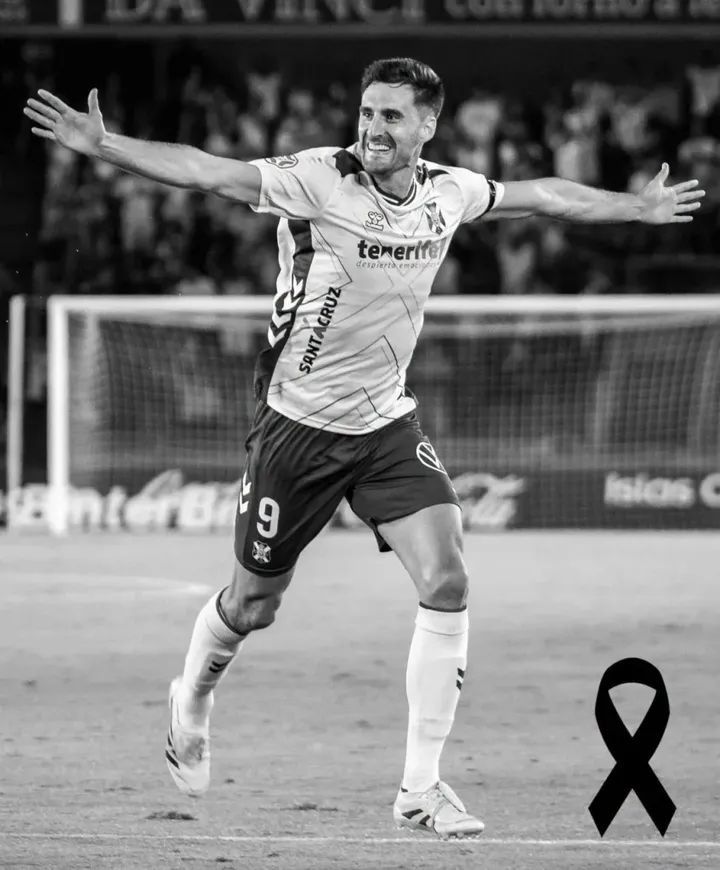
De Miguel reportedly suffered a cardiorespiratory emergency following the collision, and medical personnel rushed to his aid. Emergency responders worked to stabilise the 30-year-old forward before he was transported to hospital for further treatment. Despite the efforts made to save him, his condition remained critical. News of his death the following morning transformed the incident into a tragedy that has deeply affected both clubs and the wider football community.
Owono’s reported emotional reaction reflects the immense psychological burden that can follow an incident of this nature. Although football is a physically demanding sport in which collisions and challenges are part of the game, players are rarely prepared for the possibility that an ordinary contest could be followed by the death of an opponent. Knowing that he was involved in the incident is likely to have made the situation particularly difficult for the goalkeeper, even though the available reports describe the collision as accidental.
According to reports surrounding the incident, Owono was visibly distressed after learning the seriousness of De Miguel’s condition. He was reportedly left in tears in the dressing room, where teammates gathered around him to offer comfort and reassurance. Their response highlights the importance of solidarity among professional footballers, particularly when a traumatic event affects not only the injured player’s teammates but also the opponent involved in the incident. In such moments, the rivalry between clubs becomes secondary to the shared humanity of those involved.
The tragedy has also underlined the emotional challenges footballers may face after witnessing a serious injury or being involved in an incident with devastating consequences. Players train to manage pressure, recover from defeats and cope with the demands of competition, but the death of another athlete is an entirely different experience. Those affected may experience shock, guilt, grief or persistent distress, even when they did not intend to cause harm. Access to appropriate psychological support can therefore be important in helping players process such events.
The match itself was overshadowed by the emergency, with the contest brought to an end before its scheduled conclusion. Players from both sides were left shaken as medical personnel attended to De Miguel on the pitch. The incident served as a stark reminder that the wellbeing of an athlete must take priority over the result of any sporting competition. Once the seriousness of the situation became apparent, the focus shifted from the scoreline to the desperate efforts to provide medical assistance.
Following confirmation of De Miguel’s death, attention turned to his family, teammates and everyone affected by the loss. CD Tenerife expressed grief over the passing of its forward, while the wider football community was left mourning a player whose life ended at just 30 years of age. The tragedy has also prompted sympathy for Owono, whose involvement in the collision does not, by itself, establish that he intended to harm the striker. In an incident with such devastating consequences, compassion is essential for everyone struggling with the aftermath.
The support reportedly offered to Owono by his teammates demonstrates the role football clubs can play in helping players navigate moments of collective trauma. Beyond tactical preparation, fitness and performance, clubs have a responsibility to consider the emotional welfare of their players, particularly after distressing events. Giving those affected time, privacy and access to professional support may help them begin to process what happened. The situation also serves as a reminder that players on opposing teams share the same vulnerabilities despite representing different colours and competing for different objectives.
As tributes continue to emerge following De Miguel’s death, the thoughts of the football community remain with his family, friends and teammates. At the same time, Owono’s reported distress illustrates the profound emotional consequences that can follow a fatal sporting accident. The circumstances surrounding the collision will remain a painful memory for those who witnessed it, but the immediate response must be one of compassion, support and respect for those grieving. Football may be a game defined by competition, but moments like this reveal the human bonds that exist beyond the pitch.