Physical Address
304 North Cardinal St.
Dorchester Center, MA 02124
Physical Address
304 North Cardinal St.
Dorchester Center, MA 02124

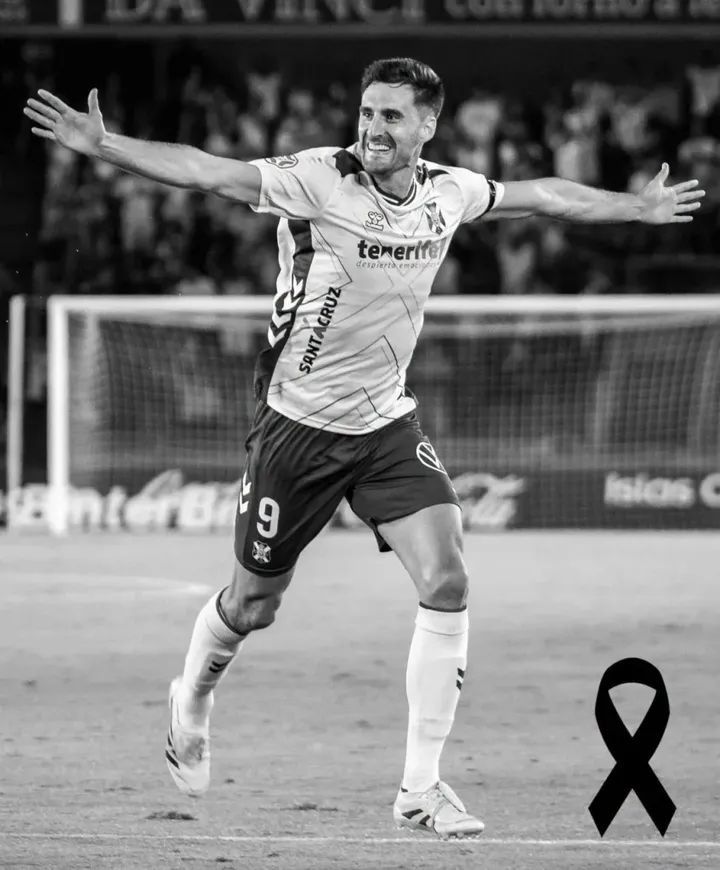
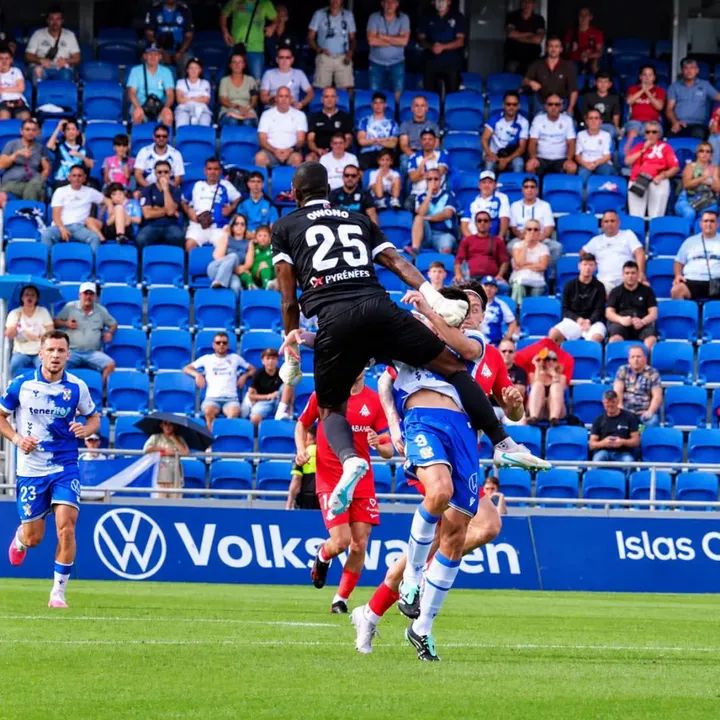
Spanish football has been thrown into mourning following the death of CD Tenerife striker Jesús de Miguel Alameda, who died at the age of 30 after suffering a serious injury during a Spanish second-division match. The footballer passed away on Tuesday, November 3, 2026, a day after a frightening collision with FC Andorra goalkeeper Jesús Owono during a league encounter. His death has sent shockwaves through the football community, with supporters, teammates and clubs expressing grief over the tragic loss of a player whose life was cut short while doing what he loved.The incident occurred on Monday during a match between CD Tenerife and FC Andorra at the Heliodoro Rodríguez López Stadium in Tenerife. The contest was approaching its conclusion when De Miguel pursued a long ball and came into contact with Owono, who had rushed forward to intercept the danger. The collision was severe, leaving the Tenerife forward motionless on the pitch and immediately prompting alarm among players from both teams.
According to reports, Owono moved out to challenge for the ball as De Miguel advanced into the space. During the encounter, the goalkeeper’s knee struck the striker, causing him to collapse. The situation quickly escalated from a routine football contest into a medical emergency, with players urgently calling for assistance as they realised the seriousness of the incident. The distressing scene brought the match to a standstill and left those inside the stadium anxiously awaiting news about the injured player.Medical personnel rushed onto the pitch and worked to stabilise De Miguel before he was transported by ambulance to the University Hospital Nuestra Señora de Candelaria. Reports indicated that the striker suffered a cardiorespiratory arrest following the collision and required emergency resuscitation. Despite the efforts of medical teams, his condition remained critical, and he was admitted to the hospital’s intensive care unit for further treatment.
The match was eventually abandoned during stoppage time to allow medical personnel to attend to the emergency without further interruption. At the time, the encounter was level at 2–2, but the scoreline became secondary as players and officials focused on De Miguel’s condition. The referee brought proceedings to an end after the incident, while the atmosphere inside the stadium changed from the tension of a competitive football match to shock, fear and deep concern for the player’s life.Owono was shown a straight red card following the collision. However, the incident was widely reported as a serious on-field challenge during the pursuit of the ball, and the disciplinary decision came amid the immediate circumstances of the match. The tragedy has once again drawn attention to the physical risks associated with professional football, particularly in situations where players and goalkeepers converge at speed while contesting an aerial or loose ball.
As news of De Miguel’s deteriorating condition emerged, attention shifted from the abandoned match to updates from the hospital and his club. Supporters hoped that the forward would recover from the injuries sustained during the collision. However, CD Tenerife announced on Tuesday morning that he had died at approximately 8 a.m. local time. The confirmation ended the anxious wait with devastating news for his family, teammates, supporters and the wider football community.In its announcement, CD Tenerife expressed profound grief over the death of its player, describing the loss as an event that had left the club heartbroken. The club extended its solidarity to De Miguel’s family, loved ones and supporters, acknowledging the depth of the pain caused by his passing. His family also expressed appreciation for the messages of support received and requested privacy as they faced the difficult task of mourning their loved one.
Tributes and messages of condolence followed from across Spanish football, reflecting the sadness surrounding the death of a player who collapsed while competing in a professional match. Clubs and members of the football community expressed sympathy for those closest to him, while the incident served as a painful reminder that the consequences of a serious sporting injury can extend far beyond the pitch. For De Miguel’s teammates, the experience was especially distressing, as they had witnessed the emergency unfold during a match that had been expected to be an ordinary fixture in the league calendar.
The death of Jesús de Miguel Alameda has left CD Tenerife and Spanish football grieving a tragic loss. His passing at just 30 years old has also renewed conversations about emergency medical responses at sporting events and the importance of having trained personnel and appropriate equipment readily available whenever athletes compete. While football is celebrated for its passion, excitement and ability to unite people, this tragedy has exposed its human vulnerability. As his family, teammates and supporters mourn, the immediate priority remains respect for their grief and remembrance of a life that ended far too soon.