Physical Address
304 North Cardinal St.
Dorchester Center, MA 02124
Physical Address
304 North Cardinal St.
Dorchester Center, MA 02124

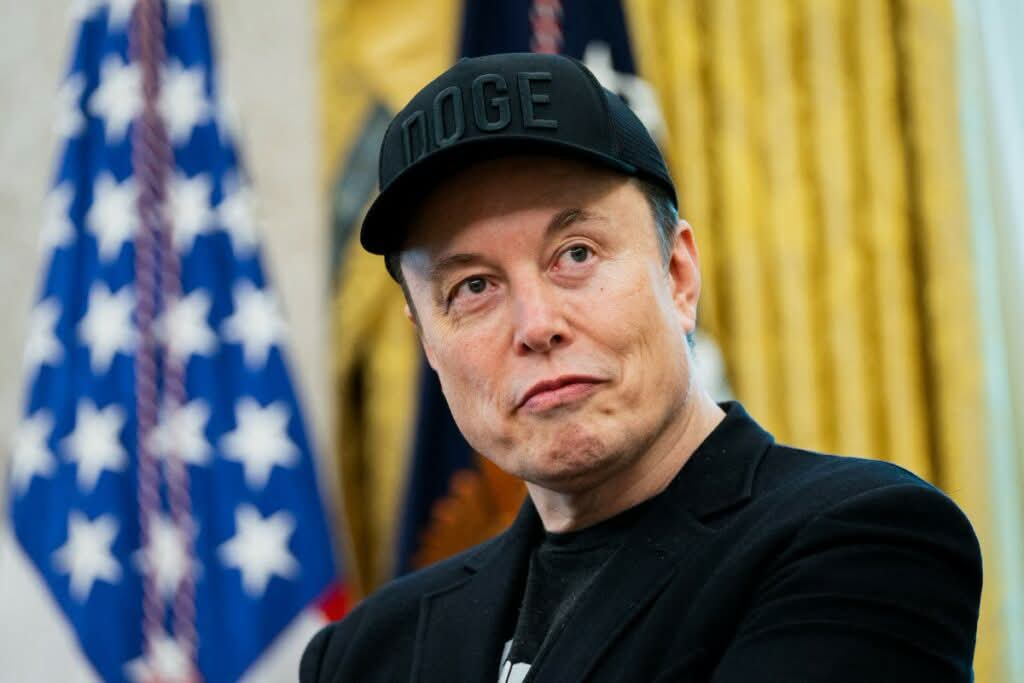
Billionaire entrepreneur Elon Musk has sparked fresh political debate after joking about his supposed “election-interfering space lasers” following Democratic victories over Republican candidates in the United States midterm elections. Musk’s remarks came despite his substantial financial support for Republican political causes and candidates, adding another twist to the political conversations surrounding the election results. The comment, delivered in a sarcastic tone, appeared to mock conspiracy theories and allegations surrounding election interference while acknowledging the disappointment of Republicans who had hoped to secure stronger electoral gains.
The results represented a setback for Republicans in contests where Democrats managed to defeat their opponents, prompting renewed discussions about the factors influencing voter behaviour across the country. Midterm elections traditionally serve as an important assessment of the political climate and can provide an indication of public satisfaction or dissatisfaction with the party in power. Although individual races are influenced by local issues and candidates, the overall results often shape the political strategies of both major parties as they prepare for future electoral contests.
Musk’s reference to “space lasers” drew on a phrase associated with conspiracy theories that have circulated in American political discourse. The expression is commonly linked to unfounded claims about powerful individuals secretly manipulating events through advanced technology. By using the phrase to joke about the election outcome, Musk appeared to turn the conspiracy narrative into political satire, suggesting that even the imaginary powers attributed to him had failed to deliver the desired Republican victories.
The billionaire’s involvement in American politics has attracted considerable attention in recent years. As the head of major technology companies, including Tesla and SpaceX, Musk possesses considerable wealth and an influential public platform. His statements on political issues can generate widespread reactions, particularly when they concern elections, government policy, economic regulation or the direction of the Republican and Democratic parties. His political activity has also made him a prominent figure in discussions about the growing influence of wealthy individuals in electoral campaigns.
Musk has previously supported Republican candidates and causes through political donations and public endorsements. His financial contributions have attracted scrutiny from political opponents, who argue that extremely wealthy donors can exercise disproportionate influence over the electoral process. Supporters of political donations, however, maintain that individuals should be free to contribute to candidates and causes that reflect their beliefs, provided they comply with applicable election laws. The debate over money in American politics remains one of the most persistent issues surrounding campaign financing.
The Democratic victories that prompted Musk’s joke are likely to encourage party strategists to examine the issues that motivated voters to support their candidates. Economic pressures, the cost of living, healthcare, immigration, abortion rights and concerns about the performance of elected officials frequently feature in American election campaigns. The importance of these issues varies from state to state and district to district, making it necessary to examine individual races before drawing conclusions about the reasons behind the results.
For Republicans, the outcome provides an opportunity to reassess their campaign messages, voter outreach and electoral priorities. Political parties that experience unexpected defeats often face internal questions about candidate selection, campaign spending and whether their policies reflect the concerns of the electorate. The results may also influence how Republican leaders approach future contests, particularly as political competition intensifies ahead of the next presidential election cycle.
Musk’s remark also highlights the growing role of social media in modern political communication. Public figures increasingly use online platforms to respond to electoral developments, criticise opponents and engage supporters through humour, memes and provocative statements. Such comments can reach millions of people within minutes, often generating reactions far beyond the original political context. While humour can make political discussions more accessible, it can also intensify partisan arguments when audiences interpret jokes differently according to their political loyalties.
The episode further illustrates how conspiracy theories have become part of the wider conversation surrounding American politics. False or unsupported claims about secret interference, manipulated elections and hidden networks of power can spread rapidly online, particularly during periods of intense political competition. Satirical references to such theories may expose their absurdity, but they can also keep the underlying narratives in circulation. Distinguishing political humour from credible evidence remains important in an environment where misinformation can undermine public confidence in democratic institutions.
Ultimately, Musk’s “space lasers” joke has added a humorous dimension to the reaction following Democratic victories, while drawing attention to his political involvement and the influence of wealthy figures in American elections. For Democrats, the results offer an opportunity to build on their gains, while Republicans must consider how best to respond to electoral setbacks. Beyond the immediate exchange on social media, the episode reflects the increasingly unconventional ways in which politics, technology, wealth and public entertainment intersect in the United States.