Physical Address
304 North Cardinal St.
Dorchester Center, MA 02124
Physical Address
304 North Cardinal St.
Dorchester Center, MA 02124

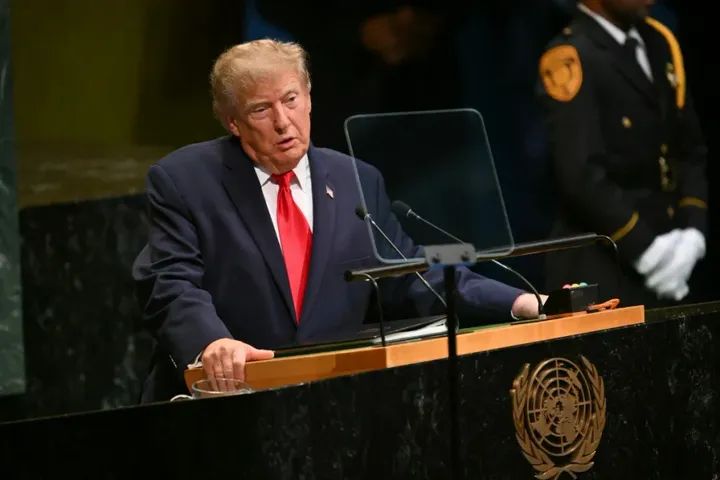
US President Donald Trump has rejected suggestions that he should be held responsible for Republican losses in the midterm elections, arguing that the party’s candidates failed to inspire voters and communicate a convincing message. The president’s remarks come amid political discussions over the factors behind the Republican Party’s disappointing performance and the possible consequences for its future electoral strategy. Rather than accepting that his leadership or political influence contributed to the outcome, Trump has pointed to the candidates themselves, suggesting that their inability to generate sufficient enthusiasm among voters played a significant role in the defeats.
Trump’s response has renewed attention on the relationship between the president’s popularity and the electoral fortunes of Republican candidates across the United States. Midterm elections are often treated as a referendum on the performance of the sitting president, with voters using the opportunity to express approval or dissatisfaction with the administration’s policies. Although local issues and individual candidates can significantly influence results, the president’s record, public image and political decisions frequently become central issues during campaigns. For this reason, Republican losses have prompted questions about whether the party’s association with Trump remains an electoral advantage or has become a challenge in certain constituencies.
In defending himself, Trump reportedly maintained that candidates seeking office must demonstrate their ability to connect with voters rather than assume that the president’s endorsement or political influence will automatically secure victory. His position suggests that candidates cannot depend exclusively on the strength of the Republican brand or the support of the party’s most prominent figure. Instead, they must present clear policy proposals, communicate effectively with their constituencies and convince voters that they understand their everyday concerns. This argument places responsibility on individual candidates to develop campaign messages that resonate with the electorate.
The president’s comments also highlight the difficult balance Republican candidates must strike between embracing Trump’s political movement and appealing to voters who may hold different views about his administration. For some Republican supporters, Trump’s strong political identity, confrontational communication style and promises to challenge established political institutions remain important sources of attraction. Other voters, however, may be more concerned about economic pressures, healthcare, immigration, public services and the broader direction of the country. Candidates must therefore determine how closely to align themselves with Trump while maintaining an independent appeal to voters whose priorities may not perfectly match the president’s agenda.
Economic conditions are often decisive in American elections, particularly when households are concerned about the cost of living, employment, housing and the affordability of essential goods. Even when an administration highlights its achievements, voters may judge its performance primarily through their personal financial circumstances. Republicans contesting competitive seats can face difficulties when voters believe that economic conditions have not improved sufficiently or that government policies have failed to address their concerns. Consequently, the party’s electoral performance cannot be explained solely by the popularity of its candidates or the influence of the president; broader economic and social conditions may also shape voting decisions.
Campaign organisation and candidate quality can also influence electoral outcomes. A candidate may struggle to attract support if voters consider the campaign message unconvincing, the public appearances ineffective or the proposed policies insufficiently detailed. In closely contested races, differences in campaign financing, volunteer mobilisation, voter registration and turnout efforts can determine the final result. Trump’s criticism therefore raises questions about whether Republican candidates adequately understood their constituencies and whether their campaigns were sufficiently prepared to respond to the concerns of undecided voters. However, determining the precise causes of individual defeats requires examining the circumstances of each race rather than applying a single explanation to the entire party.
The election results could also intensify internal discussions within the Republican Party about its political direction. Party members who strongly support Trump may argue that candidates should have embraced his agenda more forcefully, while others may contend that Republicans need to broaden their appeal beyond the president’s most loyal supporters. Such disagreements can become particularly significant when the party is attempting to maintain control of legislative chambers or defend seats in competitive districts. The debate is not simply about assigning blame for electoral losses; it concerns the type of political message Republicans should present and the leadership strategy they should adopt in subsequent elections.
For Trump, rejecting responsibility for the losses may help preserve his political standing among supporters who believe that individual candidates, rather than the president, should answer for their performance. Political leaders frequently seek to distance themselves from disappointing results, especially when they believe that local campaign decisions or weak candidates contributed to the outcome. Nevertheless, the president’s prominent role in Republican politics makes it difficult to separate his influence entirely from the party’s broader electoral fortunes. His endorsements, public statements, campaign appearances and policy positions can strengthen candidates in some areas while creating challenges in others, depending on the views of voters in those constituencies.
The consequences of the midterm elections may extend beyond the immediate disappointment experienced by Republican candidates. Depending on the final distribution of seats and the balance of power in Congress, electoral losses could affect the administration’s ability to advance legislation, secure support for policy priorities and negotiate with political opponents. A weakened congressional position can make governing more difficult by increasing the need for compromise and exposing divisions within the president’s own party. At the same time, the precise political impact depends on the final election results, the margins in individual contests and the willingness of lawmakers to cooperate across party lines.
Ultimately, Trump’s refusal to accept blame places the spotlight on the Republican Party’s candidates and their ability to inspire voters, but the wider debate is likely to involve several competing explanations. Candidate performance, economic conditions, voter turnout, campaign strategy and public attitudes towards the administration may all have contributed to the outcome. As Republicans assess their losses, the central challenge will be determining which factors had the greatest influence and how to respond before the next major electoral contest. Whether Trump’s explanation gains acceptance within the party or prompts further criticism, the results provide an important test of Republican strategy and the president’s continuing influence over American politics.