Physical Address
304 North Cardinal St.
Dorchester Center, MA 02124
Physical Address
304 North Cardinal St.
Dorchester Center, MA 02124
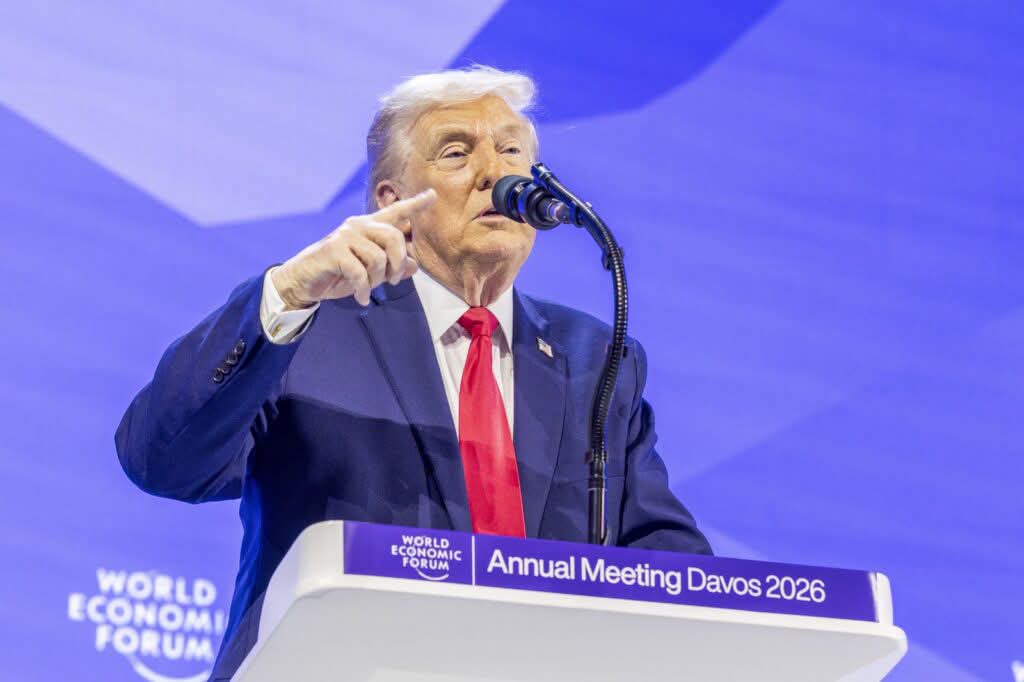
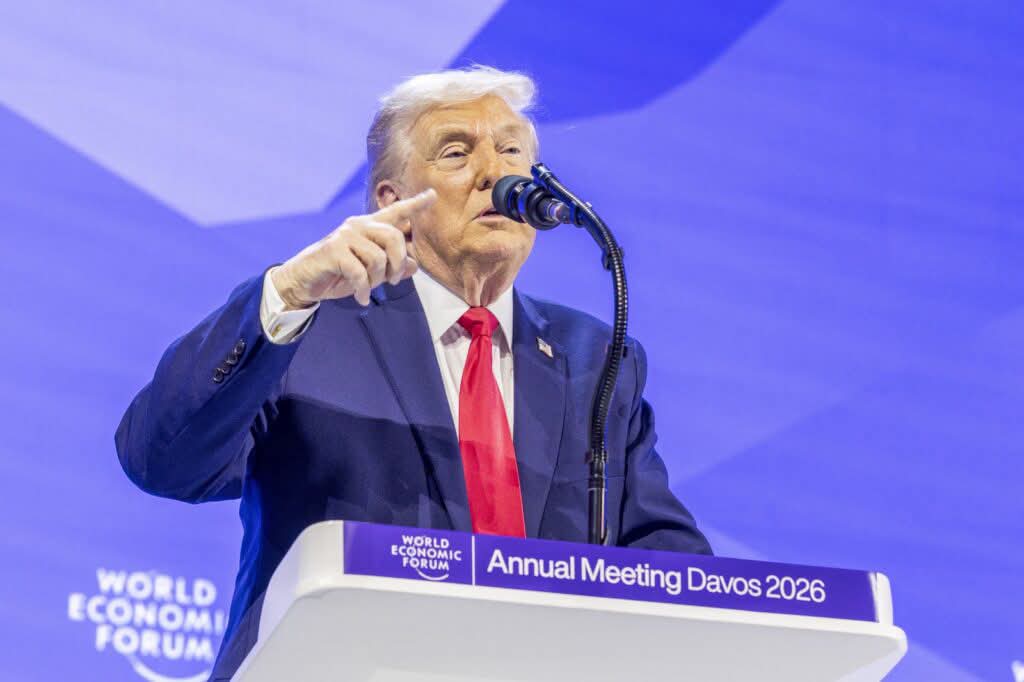
US President Donald Trump has announced what he described as a historic oil agreement with Venezuela, claiming the deal will give the United States majority control over a huge portion of the South American country’s proven petroleum reserves.
Trump described the agreement as “the biggest oil deal in world history”, saying it could attract nearly $100 billion in private investment into Venezuela. The deal is expected to involve American and other private companies developing major oil fields while the United States takes a controlling stake.
Venezuela has the largest proven oil reserves in the world, estimated at hundreds of billions of barrels. The country has remained under heavy US pressure, particularly since the Trump administration’s intervention against longtime leader Nicolás Maduro earlier this year.
Following Maduro’s removal, his vice president, Delcy Rodríguez, remained in power as interim leader under an arrangement that has kept Caracas closely aligned with Washington.
Trump has repeatedly made it clear that Venezuelan oil is a major strategic interest for his administration. Announcing the latest agreement on Truth Social, he said the deal would more than double US oil reserves and strengthen economic ties between Washington and Caracas.
Rodríguez also confirmed the agreement, calling it a “historic” deal that could play a major role in rebuilding Venezuela’s struggling economy. She said the arrangement could attract more than $100 billion in investment and generate significant tax revenue for the Venezuelan government.
US Secretary of State Marco Rubio described the agreement as another example of Trump’s “America First” foreign policy, arguing that it would secure additional oil supplies for the United States while helping bring down energy costs.
However, questions remain about exactly how the arrangement will work. Energy experts have raised concerns over whether the agreement involves an outright sale, a transfer of ownership or some form of control that would only take effect as the oil is produced.
The uncertainty is significant because Venezuela’s oil industry has suffered from years of underinvestment, ageing infrastructure and political instability. Foreign companies have also been cautious about returning because of concerns over the security of their investments.
US oil giant Chevron has remained one of the few major American companies operating in Venezuela and has been increasing its crude production. The company reported production of about 280,000 barrels per day in July and plans to raise output further by the end of 2028.
For the Trump administration, the deal could have major economic and political implications, particularly as high fuel prices remain a concern for American households. For Venezuela, the proposed investment could provide much-needed money to rebuild its oil industry and wider economy.
But whether the ambitious agreement can translate from political announcement to actual oil production remains to be seen. For now, both governments are presenting it as a major new chapter in US-Venezuela relations.