Physical Address
304 North Cardinal St.
Dorchester Center, MA 02124
Physical Address
304 North Cardinal St.
Dorchester Center, MA 02124

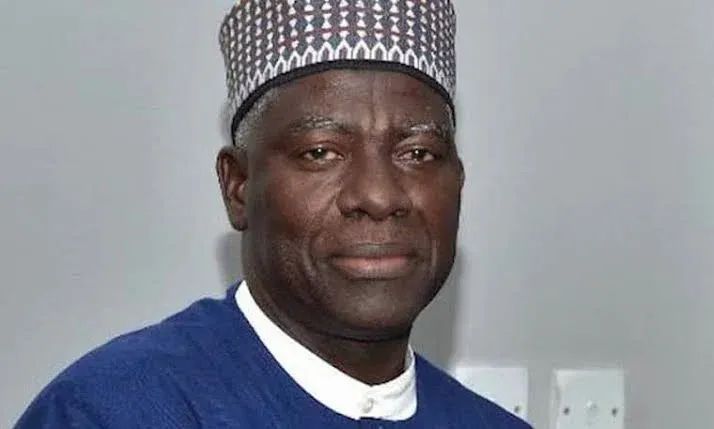
President Bola Ahmed Tinubu has reportedly appointed the immediate past Director-General of the Department of State Services (DSS), Yusuf Magaji Bichi, as Chairman of the Governing Board of the National Institute for Security Studies (NISS), in a development that has drawn attention to the role of experienced security professionals in Nigeria’s national security and intelligence institutions.
Bichi previously served as the head of the DSS, one of Nigeria’s principal intelligence and domestic security agencies. His reported appointment to the NISS governing board would place him in a position connected to the institute’s institutional oversight and strategic direction, particularly in the areas of security education, professional training, research and policy development.
The National Institute for Security Studies is an important institution in Nigeria’s security architecture. It provides specialised training and professional development for personnel and officials working in security-related fields. Its programmes are designed to strengthen participants’ understanding of intelligence management, national security challenges, strategic leadership and the relationship between security and national development.
Bichi’s Career in the Intelligence CommunityYusuf Magaji Bichi built a lengthy career within Nigeria’s intelligence community before becoming Director-General of the DSS in September 2018 under former President Muhammadu Buhari. His appointment followed the removal of Lawal Daura and the brief period during which Matthew Seiyefa served in an acting capacity.
Before assuming the position of Director-General, Bichi had served in several capacities within the security service. His career included postings as State Director of Security in Jigawa, Niger, Sokoto and Abia states. He also held positions across different directorates at the service’s national headquarters, including operations, intelligence, security enforcement, inspection, administration and finance.
According to reports published when he was appointed DSS Director-General, Bichi received training in intelligence analysis, investigation, counter-intelligence and other areas associated with intelligence operations. He studied Political Science at Ahmadu Bello University, Zaria, after attending Danbatta Secondary School and the Kano State College of Advanced Studies.His experience across different departments of the security service formed a significant part of his professional background before he rose to the agency’s highest leadership position.
His Tenure as DSS Director-GeneralBichi served as Director-General of the DSS from September 2018 until August 2024, when President Tinubu approved his replacement by Adeola Oluwatosin Ajayi. The change followed Bichi’s resignation, which was announced alongside the appointment of new leadership for the DSS and the National Intelligence Agency.
During his tenure, Bichi occupied a position at the centre of Nigeria’s domestic intelligence operations. The DSS is responsible for intelligence gathering and other security functions aimed at identifying and responding to threats within the country. Its responsibilities place the agency at the intersection of public safety, national stability, intelligence coordination and the protection of critical institutions.
His departure from the agency in 2024 marked the end of his direct leadership of the service. The reported NISS appointment would represent a different kind of responsibility, shifting the focus from directing an intelligence agency to participating in the governance of an institution dedicated to security studies and professional training.
The Role of the NISS Governing BoardThe National Institute for Security Studies plays a role in developing the professional capacity of individuals involved in Nigeria’s security and intelligence sectors. Through specialised courses, research and strategic programmes, the institute seeks to improve the knowledge and leadership skills required to respond to evolving security challenges.
The governing board provides institutional oversight and strategic guidance within the framework established for the institute. Its responsibilities are distinct from the day-to-day management of the institution, which is handled by its executive leadership.
If Bichi’s reported appointment is formally confirmed, his experience in intelligence operations and security administration would form an important part of the background he brings to the board. However, the specific priorities of the board under any new chairmanship would depend on the institute’s mandate, its existing strategic plans and any formally announced policy direction.
Nigeria continues to face a range of security concerns, including terrorism, banditry, kidnapping, communal violence, organised crime and threats to critical infrastructure. Addressing these challenges requires more than operational responses alone. Professional education, intelligence analysis, institutional cooperation and informed policy decisions are also important components of an effective national security framework.
Institutions such as NISS therefore have a role in preparing security professionals to understand emerging threats, assess complex situations and develop approaches that reflect the changing nature of security challenges.
Security Expertise and Institutional DevelopmentThe reported appointment also brings attention to the relationship between practical security experience and institutional leadership. Individuals who have worked within intelligence agencies may possess knowledge of the operational and administrative challenges confronting the security sector. Nevertheless, the effectiveness of any governing board depends on its ability to translate its mandate into clear priorities, accountable oversight and measurable institutional progress.
For NISS, these priorities may include strengthening professional training, encouraging security research, improving strategic thinking and ensuring that its programmes remain relevant to contemporary threats. Collaboration among security agencies, academic institutions and other relevant stakeholders can also contribute to a broader understanding of the challenges facing the country.
At the same time, security institutions must operate within the law and remain attentive to the protection of citizens’ rights. Professional competence, respect for constitutional principles, accountability and public confidence are important considerations in the development of sustainable security policies.
Official Confirmation Remains ImportantAlthough the reported appointment has attracted attention because of Bichi’s previous position as DSS Director-General, confirmation from the Presidency or another appropriate government authority is necessary to establish the appointment’s formal status, effective date and any accompanying terms.
The official website of the National Institute for Security Studies provides information about the institute’s leadership structure, programmes and institutional history. However, the sources located for this report did not provide an independently verifiable official announcement confirming Bichi’s appointment as chairman of its governing board.
Until an authoritative announcement is available, the appointment should be treated as reported rather than conclusively confirmed.If confirmed, the development would add a new chapter to Bichi’s career in Nigeria’s security sector, following his years in intelligence service and his tenure as head of the DSS. Attention would then turn to the board’s priorities and its contribution to the continued development of security education, research and strategic leadership in Nigeria.