Physical Address
304 North Cardinal St.
Dorchester Center, MA 02124
Physical Address
304 North Cardinal St.
Dorchester Center, MA 02124

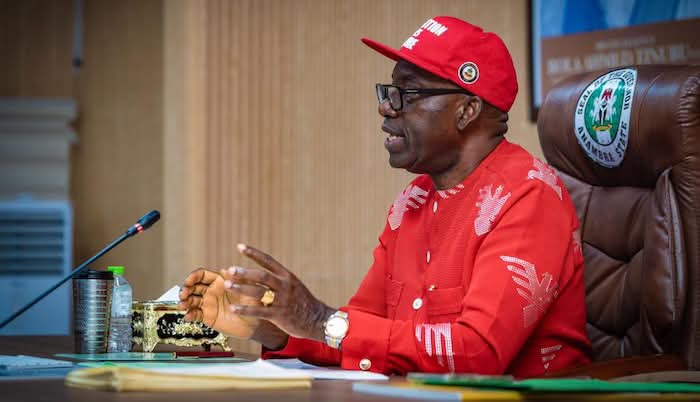
Soludo Says Negative Public Perceptions Discourage Youths From Joining MilitaryAnambra State Governor, Professor Chukwuma Charles Soludo, has expressed concern that negative public perceptions of the Nigerian military and other security agencies are discouraging young Nigerians from pursuing careers in the armed forces, calling for greater efforts to inspire the younger generation through positive examples of service and leadership.The governor made the remarks on Friday, October 9, 2026, during a memorial service held in honour of the late Lieutenant-General Chikadibia Obiakor (retd.) at Alex Ekwueme Square in Awka, Anambra State.The event brought together family members, senior military officers, government officials and other dignitaries to celebrate the life and contributions of the retired general, whose military career and international peacekeeping engagements earned him recognition beyond his home state.Soludo used the occasion to draw attention to what he described as a challenge facing the country’s security institutions: the reluctance of some young people to consider military service because of how the armed forces and other uniformed agencies are perceived by members of the public.According to the governor, the exemplary lives of respected officers such as Obiakor could help change these attitudes and encourage more young Nigerians to consider serving their country through the military and other security organisations.His remarks have brought renewed attention to the relationship between young people and Nigeria’s security institutions, particularly the question of how the country can encourage broader participation in national service.Soludo Calls for Positive Role ModelsIn his address at the memorial service, Soludo stressed the importance of having people whose lives and achievements could inspire younger generations.He argued that the example set by distinguished public servants could help young people appreciate the value of discipline, commitment, patriotism and service to humanity.The governor also urged community leaders, elders and accomplished individuals to maintain close relationships with their communities and make deliberate efforts to guide younger people.He noted that leadership should not be limited to holding public office or achieving professional success. It should also involve taking responsibility for the development of one’s community and helping younger generations find meaningful paths in life.Soludo remarked that community leaders must remain accessible to their people and demonstrate the values they expect young people to embrace.The governor said: “We must multitask and become the villager as a way of inspiring and motivating the younger ones.”His message was that accomplished individuals should not become disconnected from the places and people who shaped them. Instead, they should use their experiences to encourage young people, offer guidance and demonstrate that success can be achieved through dedication and service.The governor’s appeal also highlights the influence that families, community leaders and respected professionals can have on career choices. For many young people, the experiences and advice of trusted people can shape their understanding of careers that may otherwise appear distant or unattractive.Soludo believes that the life of the late General Obiakor offers an example of how a person can rise through professional service, contribute to national security and represent Nigeria in international affairs.His remarks were reported by Vanguard and the News Agency of Nigeria.General Obiakor’s Legacy of ServiceThe memorial service was organised to honour the late Lieutenant-General Chikadibia Obiakor, a distinguished son of Anambra State whose career in the Nigerian Armed Forces and international peacekeeping earned him considerable recognition.Paying tribute to the deceased, Soludo described him as one of the state’s finest sons and praised the contributions he made through his military career.The governor referred to Obiakor as “Anambra’s export to Nigeria and the world”, highlighting how his professional achievements extended beyond his immediate community and contributed to Nigeria’s international standing.For Soludo, Obiakor’s legacy demonstrates that service to the country can also bring honour to one’s family, community and state.The governor, however, placed particular emphasis on the importance of a person’s relationship with the people at home.He said that professional accomplishments and international recognition should not be the only measures of success. The positive impact an individual makes on their immediate community is equally important.“The impact on the community is the most important impact; his people were able to testify that he was good,” Soludo said.The statement captured an important part of the governor’s message: that public service should be measured not only by rank, awards or professional milestones but also by character and the difference a person makes in the lives of others.Obiakor’s military career and international peacekeeping engagements were central to the tributes paid to him at the event. His life was presented as an example of how professional dedication can serve both national and international interests.His story also provided the occasion for Soludo to encourage younger people to look beyond negative assumptions about uniformed services and consider the opportunities for service, professional development and leadership that such careers may offer.The memorial was therefore not merely an occasion to mourn a departed officer. It also became an opportunity to discuss the responsibilities of the living, particularly the role of experienced leaders in shaping the aspirations of the next generation.Military Representation and Youth ParticipationSoludo’s remarks touch on a broader issue concerning the participation of young Nigerians in the country’s military and other security agencies.The armed forces play an important role in protecting the country’s territorial integrity, responding to security threats and participating in peacekeeping operations. Their effectiveness depends on several factors, including training, equipment, professionalism, public confidence and the ability to attract qualified personnel.Recruitment is therefore not simply a matter of announcing vacancies. Young people must also see military service as a career worth considering and believe that they can pursue it with dignity, fair treatment and opportunities for professional advancement.When public perceptions of an institution are unfavourable, prospective applicants may be less willing to enlist. However, the reasons behind recruitment patterns can be complex and may vary between communities and individuals.Soludo’s argument is that respected officers with records of distinguished service can help address some of these concerns by showing younger Nigerians what a career in the military can achieve.His remarks are particularly relevant to the South-East, where concerns have previously been raised about the level of participation by young people from the region in military and police recruitment exercises.In January 2026, during activities marking Armed Forces Remembrance Day in Awka, Soludo called on young people from Anambra and the wider South-East to take a greater interest in careers within the military and other security agencies.The governor’s position has been that limited participation could reduce the region’s representation within institutions responsible for national security and public administration.Nevertheless, encouraging enlistment requires more than appealing to patriotism. Public trust, confidence in institutional conduct, recruitment transparency, working conditions and the safety of personnel can all influence how young people and their families view a military career.Soludo’s latest remarks place particular emphasis on the power of example. By celebrating an officer whose service brought recognition to his state and country, he sought to demonstrate that the armed forces can provide a platform for meaningful contributions to society.The challenge is to ensure that young people not only hear these messages but also have sufficient confidence in the institutions they are being encouraged to join.Why Public Confidence MattersPublic confidence is important to the relationship between security agencies and the communities they serve.For the military and other uniformed organisations, the public’s perception of their conduct can influence recruitment, cooperation with communities and the willingness of citizens to support security operations.When people view an institution positively, they may be more inclined to encourage their children to pursue careers within it. When distrust or unfavourable experiences dominate public discussion, however, families may become reluctant to recommend such careers.This does not mean that all young Nigerians who avoid military service do so because of negative perceptions. Career choices are influenced by several considerations, including personal interests, financial expectations, educational opportunities, family responsibilities and the risks associated with particular professions.Some young people may prefer entrepreneurship or private-sector employment, while others may be interested in the military but lack the necessary information about recruitment requirements and available career paths.Soludo’s comments nevertheless highlight the importance of addressing the image of security institutions as part of broader efforts to attract qualified and motivated recruits.Positive role models can contribute to this process, but public confidence also depends on institutional performance. Transparent recruitment procedures, professional conduct, respect for citizens’ rights, adequate training and attention to personnel welfare can help strengthen the credibility of security agencies.For young people considering enlistment, the decision involves more than admiration for a decorated officer. It also involves questions about career progression, working conditions, professional development and the responsibilities that accompany service in uniform.The example of General Obiakor may inspire interest, but the institutions themselves must provide an environment in which young Nigerians can pursue their careers with confidence.
Soludo’s call therefore raises a wider question for the country’s security leadership: how can Nigeria preserve the appeal of military service while strengthening the public trust that encourages people to volunteer for it?Defence Chief Pays Tribute to the Late GeneralThe Chief of Defence Staff, General Olufemi Oluyede, also paid tribute to the late Obiakor and expressed condolences to his family.
Oluyede was represented at the memorial service by Major-General Tariweriye Gagariga, Director-General of the Nigerian Army Heritage and Future Centre.
In his remarks, the representative described Obiakor as a decorated veteran whose service brought honour and dignity to the Nigerian Armed Forces.
His presence underscored the military establishment’s recognition of the retired general’s contributions and its solidarity with the family during the period of mourning.
The deceased’s son, Nonso Obiakor, also reflected on his father’s life, highlighting his discipline, commitment to international peacekeeping and dedication to humanity.
The tributes from the family, military leadership and state government painted a picture of a man whose professional life was closely associated with service and whose legacy continued to resonate with those who knew him.
The memorial service provided an opportunity for those present to reflect on the responsibilities that come with public service and the importance of preserving the lessons left by distinguished officers.
For Soludo, one of those lessons is the need to ensure that the achievements of people such as Obiakor do not end with the generation that witnessed their careers. Their stories, he argued, should be used to encourage young people to contribute to the country in their own capacities.
The event attracted family members, military officers, government officials and other mourners who gathered in Awka to celebrate the late general’s life and contributions.
A Call for Service Beyond Memorials
Soludo’s remarks ultimately placed responsibility on both the country’s institutions and its communities.
Military leaders and security agencies have a role to play in building public confidence, explaining recruitment opportunities and maintaining standards that encourage qualified young Nigerians to enlist.
Community leaders, meanwhile, can help young people understand the demands and responsibilities of military service while providing accurate information about available opportunities.
Families and respected professionals can also contribute by discussing career choices openly and allowing young people to make informed decisions about their futures.
The governor’s appeal for community leaders to remain connected to their people reflects his belief that mentorship is most effective when it is sustained rather than limited to public ceremonies.
A memorial service can preserve the memory of a distinguished officer, but the lasting value of the occasion lies partly in whether the lessons drawn from that life influence those who come after him.
In Obiakor’s case, the central message from Soludo was that dedication to professional duty and service to the community can go hand in hand.
The governor wants young Nigerians to recognise that public service can offer an opportunity to contribute to national development, while also urging respected individuals to demonstrate the values they wish the next generation to embrace.
Whether this appeal will translate into increased recruitment remains to be seen. Soludo’s remarks did not announce a new recruitment programme or provide figures showing how many additional young people might enlist as a result.
What they did was draw attention to the role that public perceptions and credible examples can play in shaping attitudes towards the military.
For Nigeria, the task is to ensure that the next generation sees national service not merely as an obligation but as a credible opportunity to contribute to the country’s security and future.
As Anambra State honours the memory of General Chikadibia Obiakor, Soludo’s message is clear: the legacy of a distinguished public servant should not end with tributes. It should also inspire others to serve, lead responsibly and make a positive difference in their communities.