Physical Address
304 North Cardinal St.
Dorchester Center, MA 02124
Physical Address
304 North Cardinal St.
Dorchester Center, MA 02124
Nigeria’s political, economic and judicial landscape has dominated the headlines on Friday, November 6, 2026, following a series of significant developments across the country. Among the major stories attracting public attention is a Federal High Court judgment in Abuja that has thrown the 2027 presidential ambitions of former Vice-President Atiku Abubakar into fresh uncertainty. The ruling nullified the leadership structure of the African Democratic Congress (ADC) led by former Senate President David Mark and invalidated the process through which Atiku emerged as the party’s presidential candidate. Meanwhile, electricity disruptions have affected several states and the Federal Capital Territory, with the Federal Government attributing the development to gas shortages at thermal power plants. Other notable developments include the recognition of prominent personalities with the rank of Senior Counsel of Nigeria, disciplinary action against judicial officers and the introduction of guidelines for the Federal Government’s N50,000 relief grant.
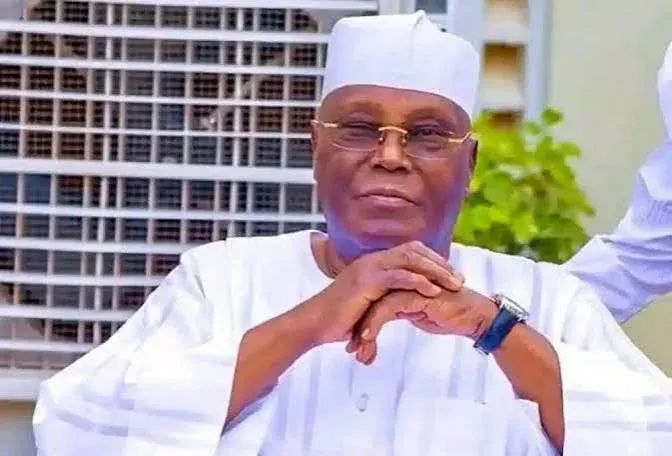
The most significant political development concerns the Federal High Court’s decision to nullify the David Mark-led National Working Committee of the ADC, including the emergence of former Vice-President Atiku Abubakar as the party’s presidential candidate for the 2027 general elections. Justice Peter Lifu, who delivered the judgment in Abuja on Thursday, November 5, held that the process through which Mark and other members of the party’s leadership assumed their positions violated the ADC constitution, relevant provisions of the Electoral Act and the 1999 Constitution. The court also nullified the emergence of former Minister of Interior, Rauf Aregbesola, as National Secretary and directed the Independent National Electoral Commission (INEC) not to recognise decisions taken at the party’s 99th National Executive Committee meeting held on July 27, 2025. The judgment followed a suit instituted by former ADC Deputy National Chairman (North-East), Nafiu Bala Gombe, who challenged the legitimacy of the Mark-led leadership.
Reacting to the judgment, Atiku Abubakar vowed to challenge the decision at the Court of Appeal, describing the development as an attempt to weaken the opposition and frustrate his presidential ambition. The former Vice-President questioned the timing of the ruling, particularly because it came barely a day after his campaign rally in Sokoto State, where he received support from a large crowd of party faithful. He maintained that his presidential ambition remained intact and insisted that no legal or political manoeuvre would prevent him from continuing his campaign. However, the Nafiu Bala Gombe faction welcomed the judgment, describing it as a victory for constitutionalism and internal democracy within the party. The development has also generated disagreements among opposition figures, with concerns that prolonged litigation could affect the participation of the ADC and its candidates in the forthcoming elections. The party has rejected the judgment and announced its intention to pursue an appeal.In another major development, the Federal Government has attributed electricity disruptions affecting Lagos, Abuja, Ogun, Kwara and Oyo states to shortages of gas supplied to thermal power generation plants. The Minister of Power, Joseph Tegbe, acknowledged the difficulties experienced by electricity consumers, explaining that the disruptions were also connected to reduced hydropower output and maintenance challenges. The government, however, maintained that the situation was not necessarily evidence of a systemic collapse of the national electricity grid. According to the minister, relevant government agencies and stakeholders are working towards restoring stable electricity supply across the affected areas. The government also disclosed that 44 containers containing power equipment had been cleared from Apapa ports to support efforts aimed at improving electricity infrastructure. The development has renewed concerns among households, business owners and industrial operators who depend heavily on consistent electricity supply to sustain their daily activities.
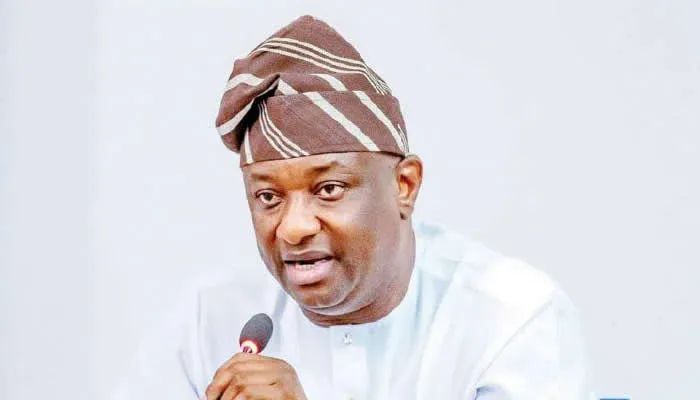
Meanwhile, prominent Nigerian personalities, including former Minister of Aviation Femi Fani-Kayode and Seyi Tinubu, son of President Bola Tinubu, have reportedly received the rank of Senior Counsel of Nigeria, also known as Blue Silks. Three other individuals were also recognised during the Nigerian Law Society’s 2026 Annual General Conference in Abuja. The recognition is associated with distinguished contributions to legal practice outside conventional courtroom litigation. The development has attracted attention because of the profiles of some of the recipients, particularly Fani-Kayode, who has held several public offices, and Seyi Tinubu, whose recognition has generated public interest because of his relationship with the President. The award has also brought renewed attention to the different professional pathways through which legal practitioners can make significant contributions to the administration of justice and the development of the legal profession.In the judiciary, the National Judicial Council (NJC) has suspended three judges for one year without pay over allegations of judicial misconduct and other violations of professional responsibilities. The affected judicial officers are Justice Hannatu Mohammed Kabir of the Nasarawa State High Court, Grand Kadi Mohammed Sani Salihu of the Jigawa State Sharia Court of Appeal and Justice Sobere Biambo of the Rivers State High Court. Among the issues cited in the disciplinary proceedings were unlawful detention of litigants and abuse of judicial powers. The council also imposed additional restrictions on two of the affected judges, barring them from elevation for three years. Several other judicial officers received cautions or warnings over various matters considered by the council. The disciplinary action underscores the importance of judicial accountability and the need for judicial officers to exercise their powers within the boundaries of the law. It also reinforces the principle that judicial independence does not exempt members of the bench from professional and institutional scrutiny.
The Federal Government has also released guidelines explaining how eligible Nigerians can access its N50,000 National Emergency Relief and Stabilisation Intervention grant. Under the announced arrangement, beneficiaries are expected to be selected from the National Social Register and notified through text messages sent by approved payment service providers. The recognised platforms reportedly include ALAT, MoMo PSB, NairaGram, OPay and Moniepoint. Selected beneficiaries are expected to follow the instructions contained in their messages and use the designated Unstructured Supplementary Service Data (USSD) process to accept the grant before accessing their funds through authorised payment channels, including point-of-sale agents. The initiative is intended to provide financial assistance to vulnerable Nigerians facing economic difficulties. However, beneficiaries have been advised to follow the official procedures and exercise caution when dealing with individuals or platforms claiming to facilitate access to the intervention.
The ADC crisis has also generated reactions from different political organisations and prominent figures, with several stakeholders expressing concern about its implications for Nigeria’s democratic environment ahead of the 2027 general elections. The Kwankwasiyya Movement, associated with former Kano State Governor Rabiu Musa Kwankwaso, reportedly expressed concern that prolonged leadership disputes and conflicting judicial decisions could weaken opposition parties and undermine public confidence in the electoral process. Similarly, the ADC’s presidential campaign council maintained that the judgment was politically motivated and questioned its consistency with an earlier decision delivered by another Federal High Court judge concerning the party’s leadership. The party argued that a court of coordinate jurisdiction should not overturn the subsisting judgment of another court of equal jurisdiction. However, the precise legal implications of the competing decisions will ultimately depend on the relevant court processes and any subsequent appellate determination.
Another significant dimension of the ADC controversy emerged from Sokoto State, where the party’s chapter reaffirmed Zaki Tambuwal as its governorship candidate for the 2027 elections while rejecting Mannir Muhammad Dan’Iya’s claim to the ticket. The state chapter maintained that its position was based on its recognition of the Nafiu Bala Gombe-led leadership following Thursday’s judgment. It also insisted that candidates who emerged under the authority of the Bala faction remained the recognised representatives of the party in the state. The development illustrates how the national leadership dispute could extend beyond the presidential ticket to affect governorship and legislative contests across the federation. With the court’s decision also affecting nominations made under the Mark-led leadership, the ADC faces significant legal and organisational questions concerning its candidates and preparations for the next general elections.
Reacting to the Federal High Court judgment, Aviation and Aerospace Development Minister Festus Keyamo commended the judiciary, describing the decision as an indication that justice would eventually prevail. Keyamo defended the ruling and accused the Mark-led faction of assuming control of the ADC without following the necessary constitutional procedures for establishing a legitimate national leadership. He maintained that the party’s internal crisis should not be blamed on external political actors, arguing that the leadership dispute originated from the actions of those involved in the party’s reorganisation. The ADC, however, has maintained that the judgment is inconsistent with an earlier court decision and has vowed to challenge it through the appropriate legal channels. These opposing positions have further intensified the political debate surrounding the case, particularly regarding the relationship between internal party democracy, judicial intervention and the constitutional rights of political associations.
As Nigeria enters another politically significant period ahead of the 2027 general elections, Friday’s headlines reflect the growing intersection between judicial decisions, political competition, economic concerns and public accountability. The ruling against the David Mark-led ADC leadership has introduced fresh uncertainty into Atiku Abubakar’s presidential campaign, while the electricity disruptions affecting five locations have renewed questions about the country’s power generation challenges. The suspension of three judges has also brought judicial discipline into the national conversation, even as the Federal Government’s N50,000 relief intervention seeks to address some of the financial difficulties facing vulnerable citizens. Collectively, these developments highlight important issues that will continue to shape public debate in the coming days. Nigerians will particularly be watching the next legal steps in the ADC dispute, the restoration of electricity supply in affected areas and the implementation of the government’s relief programme.