Physical Address
304 North Cardinal St.
Dorchester Center, MA 02124
Physical Address
304 North Cardinal St.
Dorchester Center, MA 02124

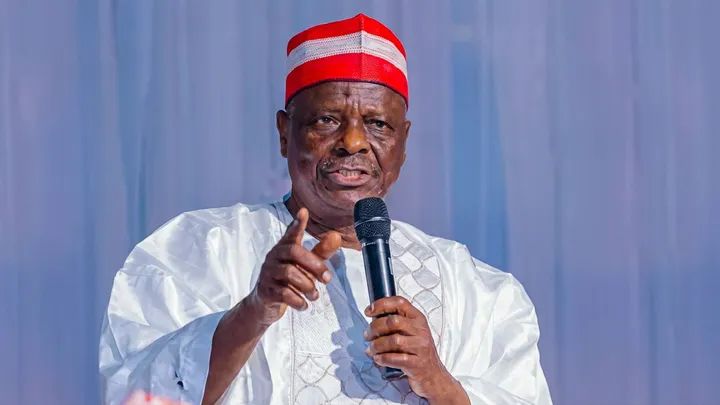
Former Kano State Governor and former presidential candidate, Rabiu Musa Kwankwaso, has urged former Vice President Atiku Abubakar and members of the African Democratic Congress (ADC) to respect the principle of presidential zoning and support Peter Obi ahead of the 2027 general elections. Kwankwaso’s position reflects the growing debate over power rotation between Nigeria’s northern and southern regions, as opposition leaders continue to explore possible strategies for challenging President Bola Ahmed Tinubu. The former governor believes that supporting a southern candidate would help sustain the country’s informal power-sharing arrangement and give the South an opportunity to complete its expected turn in the presidency.
Kwankwaso’s appeal comes amid increasing disagreements among opposition politicians over who should emerge as the leading candidate capable of defeating the ruling All Progressives Congress (APC). While some political figures believe the opposition should prioritise electoral strength and the candidate’s ability to win, others argue that fairness, regional balance and existing political understandings must also guide the selection process. The disagreement has become particularly significant following the emergence of competing opposition platforms and the political realignments involving Atiku, Obi and Kwankwaso ahead of the 2027 presidential election.
The principle of zoning has remained an important feature of Nigeria’s political calculations since the return to democratic rule in 1999. Although presidential rotation between the North and South is not expressly guaranteed by the Constitution, political parties have often adopted zoning arrangements to promote inclusion, manage regional expectations and reduce tensions over access to national leadership. Supporters of the principle argue that it provides different geopolitical regions with a sense of belonging and an opportunity to participate in the highest levels of government. For them, respecting such arrangements is essential to building trust among Nigeria’s diverse political communities.Kwankwaso has previously expressed support for zoning the presidential ticket of the Nigeria Democratic Congress (NDC) to Southern Nigeria for the 2027 election. Speaking at the party’s national convention in Abuja in May 2026, he described the decision as an opportunity for national healing and pledged to abide by the party’s agreement. He argued that the arrangement would allow the South to complete its turn in producing national leadership, while emphasising fairness and the need to avoid ethnic and religious favouritism. His position placed him among the political figures advocating a southern presidential candidate for the forthcoming election.
Peter Obi, the former governor of Anambra State and Labour Party presidential candidate in the 2023 election, has emerged as a central figure in discussions about the southern opposition candidacy. Obi attracted substantial support during the 2023 presidential election, particularly among young people and voters seeking alternatives to the established political parties. His supporters frequently point to his experience in public administration, emphasis on fiscal discipline and calls for productive investment as reasons he should be considered for the presidency. However, the extent to which his previous electoral support can be converted into a broader national coalition remains an important question ahead of 2027.
Atiku Abubakar, on the other hand, has maintained that opposition parties should not allow zoning to override questions of competence, electoral strategy and the practical challenge of defeating an incumbent president. In May 2026, the former vice president criticised calls for the opposition to restrict its presidential ticket to the South, arguing that such an approach could undermine the opposition’s electoral prospects. He also questioned the fairness of extending southern control of the presidency when viewed against the broader distribution of presidential power since 1999. His position illustrates the fundamental disagreement between those who prioritise rotational arrangements and those who believe the opposition should focus primarily on its chances of winning.
The disagreement between supporters of zoning and advocates of an open presidential contest has created a difficult situation for opposition parties seeking to unite before the election. If different political groups insist on presenting separate presidential candidates, their votes could become divided across regions and demographic groups, potentially benefiting the incumbent party. Conversely, persuading established politicians to abandon their ambitions in favour of a common candidate could prove challenging, particularly where party structures, personal influence and long-standing political interests are involved. The challenge facing the opposition is therefore not merely choosing a candidate but establishing a credible arrangement that competing political leaders are willing to accept.
Kwankwaso’s intervention also brings attention to the possibility of cooperation between political figures who previously contested against one another. Nigerian politics has a long history of alliances formed around shared electoral interests, with parties and politicians occasionally setting aside previous differences to pursue common objectives. A coordinated opposition campaign could potentially combine political structures and voter support from different parts of the country. Nevertheless, any such arrangement would require clear agreements on the presidential ticket, campaign organisation, policy priorities and the distribution of responsibilities if the coalition eventually wins the election.
Beyond the question of zoning, Nigerians will expect opposition leaders to explain how their proposed political arrangements would address the country’s most pressing challenges. Economic hardship, unemployment, insecurity, electricity shortages, poor infrastructure and concerns about public accountability remain significant issues for voters. A debate focused exclusively on whether the presidency should remain in the South or return to the North may not be sufficient to persuade citizens who are primarily concerned about their living conditions. Political leaders seeking public support will need to demonstrate that their preferred candidates have realistic plans for improving the economy, strengthening security and expanding opportunities for ordinary Nigerians.
As the 2027 presidential election approaches, the disagreement involving Kwankwaso, Atiku and Obi is likely to remain part of the broader struggle to establish a united opposition capable of challenging the APC. Kwankwaso’s support for a southern candidate reflects his belief that zoning can promote fairness, political stability and national inclusion. Atiku’s opposing position highlights the argument that electoral competitiveness and the ability to build a winning coalition should take precedence over informal regional arrangements. Ultimately, the decision rests with the political parties and their members, while the electorate will have the final say at the ballot box. Whether opposition leaders can reconcile their differences and agree on a common direction may prove decisive in shaping the outcome of the 2027 election.