Physical Address
304 North Cardinal St.
Dorchester Center, MA 02124
Physical Address
304 North Cardinal St.
Dorchester Center, MA 02124

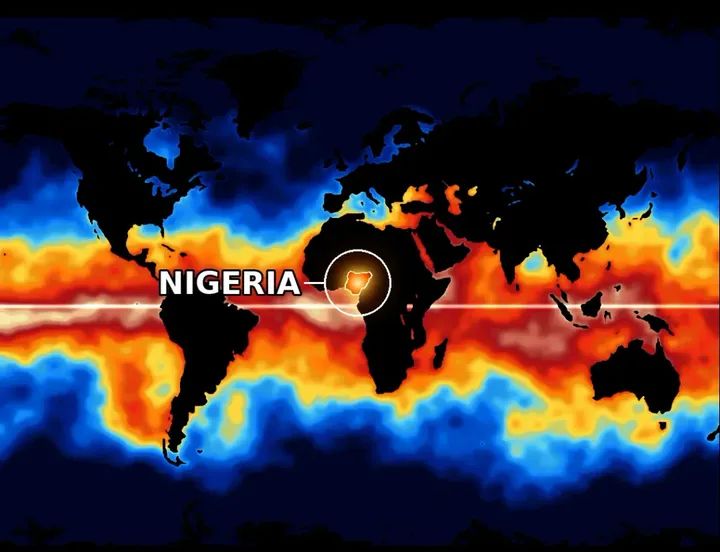
The Nigerian Meteorological Agency (NiMet) has warned that the developing El Niño phenomenon could significantly influence rainfall patterns, agricultural production, water availability and other aspects of daily life in Nigeria. The warning comes amid growing concerns about the possible effects of changing global weather conditions on a country where millions of people depend on agriculture and rainfall for their livelihoods. As the climate phenomenon develops, Nigerians are being encouraged to pay attention to weather forecasts and prepare for possible changes in rainfall distribution, temperature and the length of the rainy season. Although El Niño is a natural climate event, its consequences can be far-reaching, particularly in communities that depend heavily on stable weather conditions for farming, water supply and economic activities.
El Niño is a climate phenomenon that occurs when sea surface temperatures in the central and eastern tropical Pacific Ocean become warmer than normal for an extended period. These temperature changes influence atmospheric circulation and can alter weather patterns in different parts of the world, including West Africa. The phenomenon is part of the El Niño-Southern Oscillation (ENSO), a climate system that includes El Niño, La Niña and neutral conditions. According to the United States National Oceanic and Atmospheric Administration, the current El Niño strengthened significantly in 2026, with forecasts indicating that strong to very strong conditions could persist into early 2027. However, the precise effects will differ from one country to another, depending on local weather systems and other climatic influences.
One of the major concerns for Nigeria is the possibility of irregular rainfall and longer dry spells in some parts of the country. NiMet’s August 2026 climate update warned that the developing El Niño could influence the distribution of rainfall, with some areas likely to experience drier-than-normal conditions while others could receive normal or above-normal rainfall. The agency’s outlook identified parts of the northern states, including Sokoto, Kebbi, Zamfara, Katsina, Kano, Yobe, Borno, Bauchi and Jigawa, as areas where wetter-than-normal conditions were expected during the forecast period. Meanwhile, parts of the South-West and South-South, including Oyo, Ogun, Osun, Ekiti, Edo and Delta, were identified as areas where below-normal rainfall could occur. These are seasonal projections, not guarantees of the weather that every community will experience.
Agriculture is among the sectors that could feel the consequences of changing rainfall patterns. Many Nigerian farmers depend on rain-fed agriculture, meaning that their planting schedules, crop development and harvests are closely tied to the timing and amount of rainfall. When rain arrives late, stops unexpectedly or becomes unevenly distributed, farmers may struggle to maintain healthy crops throughout the growing season. Prolonged dry spells can reduce soil moisture, damage crops and affect yields, while excessive rainfall may cause flooding, soil erosion and the destruction of farmland. NiMet has specifically warned that below-normal rainfall during critical stages of crop development could increase the risk of reduced yields in affected areas, making it important for farmers to monitor updated forecasts and adjust their farming practices accordingly.
The potential effects on food production could also have consequences for food prices and household spending. If adverse weather conditions reduce the output of important crops, farmers may earn less from their harvests while traders and consumers could face changes in market supply and prices. The impact would depend on the crops affected, the areas involved, the severity of the weather conditions and the ability of farmers to adapt. In a country where many households already devote a substantial share of their income to food, disruptions to agricultural production could create additional pressure. However, El Niño does not automatically mean that food prices will rise across Nigeria. Government interventions, irrigation facilities, food storage, transport networks and the availability of produce from unaffected regions can all influence the eventual outcome.
Water supply is another area that deserves attention. Reduced rainfall over an extended period can affect the amount of water entering rivers, streams, lakes, reservoirs and dams. Communities that rely on these sources for drinking water, sanitation, irrigation and industrial activities could experience pressure if water levels fall significantly. Lower rainfall can also reduce the amount of water that seeps into the ground to replenish underground reserves, particularly in places where groundwater extraction is already high. NiMet has highlighted these potential risks and called attention to the importance of water conservation, strategic reservoir management and investment in rainwater harvesting. Nevertheless, the actual effect on water availability will depend on local rainfall conditions, existing water infrastructure and the capacity of communities and authorities to manage available resources.
Electricity generation could also be affected if changing weather conditions reduce water inflows into reservoirs used by hydropower stations. When water levels become insufficient, the ability of such facilities to generate electricity may be constrained, potentially placing additional pressure on other sources of power. NiMet has identified reduced inflows into dams and reservoirs as a possible risk associated with the developing climate event. If hydropower output falls, the consequences could extend to households, businesses and industries that depend on a reliable electricity supply. However, the extent of any disruption would depend on actual water levels, power-sector management and the contribution of other generating sources. It is therefore important to distinguish between a potential climate-related risk and a confirmed prediction of electricity shortages.
Public health is another concern because changes in temperature and rainfall can influence environmental conditions in which certain diseases spread. Heavy rainfall and poor drainage may create stagnant water that provides breeding sites for mosquitoes, potentially increasing malaria risks in affected communities. Flooding can also contaminate drinking-water sources and disrupt sanitation, while prolonged dry conditions may make access to clean water more difficult. Higher temperatures can increase heat-related discomfort and health risks, particularly for outdoor workers, older people and individuals with existing vulnerabilities. These outcomes are not inevitable consequences of El Niño, as they depend on local weather, sanitation, healthcare access and public-health measures. Nigerians should follow guidance from relevant health authorities, use safe drinking water and take appropriate precautions against mosquito bites and excessive heat.
Despite concerns about reduced rainfall, it would be misleading to assume that El Niño will bring only drought or dry weather to Nigeria. Some areas may experience longer intervals without rain followed by intense downpours that increase the risk of flash flooding, especially where drainage systems are inadequate or the ground cannot absorb water quickly enough. Meteorological experts have cautioned that the interaction between El Niño and West African weather systems determines the conditions experienced locally. This means that communities should prepare for the particular risks identified in their areas rather than rely on general assumptions about the climate phenomenon. Farmers should keep drainage channels clear, consider suitable crop varieties and follow agricultural advisories, while residents in flood-prone areas should pay attention to warnings and avoid dangerous routes during heavy rainfall.
As Nigeria responds to the potential effects of El Niño, timely access to reliable weather information will be essential. NiMet has emphasised the importance of monitoring climate conditions, communicating forecasts and adopting practical measures such as drought-resistant crops, improved irrigation, rainwater harvesting and strategic management of water resources. State governments, agricultural extension officers, emergency-management agencies and community leaders also have important roles to play in helping people prepare for changing conditions. For ordinary Nigerians, the most useful step is to follow official weather updates and make decisions based on forecasts relevant to their locations. El Niño is a natural climate phenomenon, not a prediction that disaster will occur everywhere. With adequate preparation, informed planning and effective public communication, its potential effects on agriculture, water supply, health and livelihoods can be better managed.