Physical Address
304 North Cardinal St.
Dorchester Center, MA 02124
Physical Address
304 North Cardinal St.
Dorchester Center, MA 02124

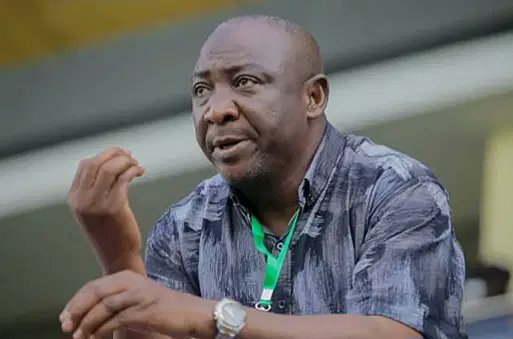
The President of the Nigeria Football Federation (NFF), Ibrahim Gusau, and several members of the federation’s Executive Committee have resigned from their positions amid mounting pressure over the state of Nigerian football. Multiple reports on Thursday confirmed the development, although the federation had yet to issue a formal public statement at the time of reporting.
The resignation comes after weeks of growing criticism of the NFF leadership over a string of disappointing results and concerns surrounding the administration of the country’s football. The pressure became particularly intense following the historic failure of the Super Falcons to qualify for the 2027 FIFA Women’s World Cup, ending Nigeria’s run of appearing at every edition of the tournament since it began in 1991.
The Super Eagles have also endured a difficult period, having failed to qualify for the 2026 FIFA World Cup. With both senior national teams suffering major setbacks, football stakeholders and supporters have increasingly called for accountability and a complete rethink of how Nigerian football is being managed.
The NFF has also faced scrutiny over the management of funds released by the Federal Government for the national teams. Security agencies have reportedly been examining the utilisation of a multi-billion-naira intervention fund intended, among other things, to settle outstanding wages and bonuses owed to players and officials.
The latest resignation could now trigger a major shake-up within the Glass House and potentially affect the NFF’s planned electoral process scheduled for September 27 in Lafia, Nasarawa State. Reports indicate that a significant number of the 13-member board had already stepped down before Gusau’s resignation.
For Nigerian football, the development comes at a critical moment. What supporters will be watching closely now is whether the leadership change will lead to the deeper reforms many have been demanding or simply result in another change of faces without addressing the problems that have continued to trouble the country’s football.
After years of frustration, poor results and administrative controversies, Nigerian football appears to be entering a new chapter.