Physical Address
304 North Cardinal St.
Dorchester Center, MA 02124
Physical Address
304 North Cardinal St.
Dorchester Center, MA 02124

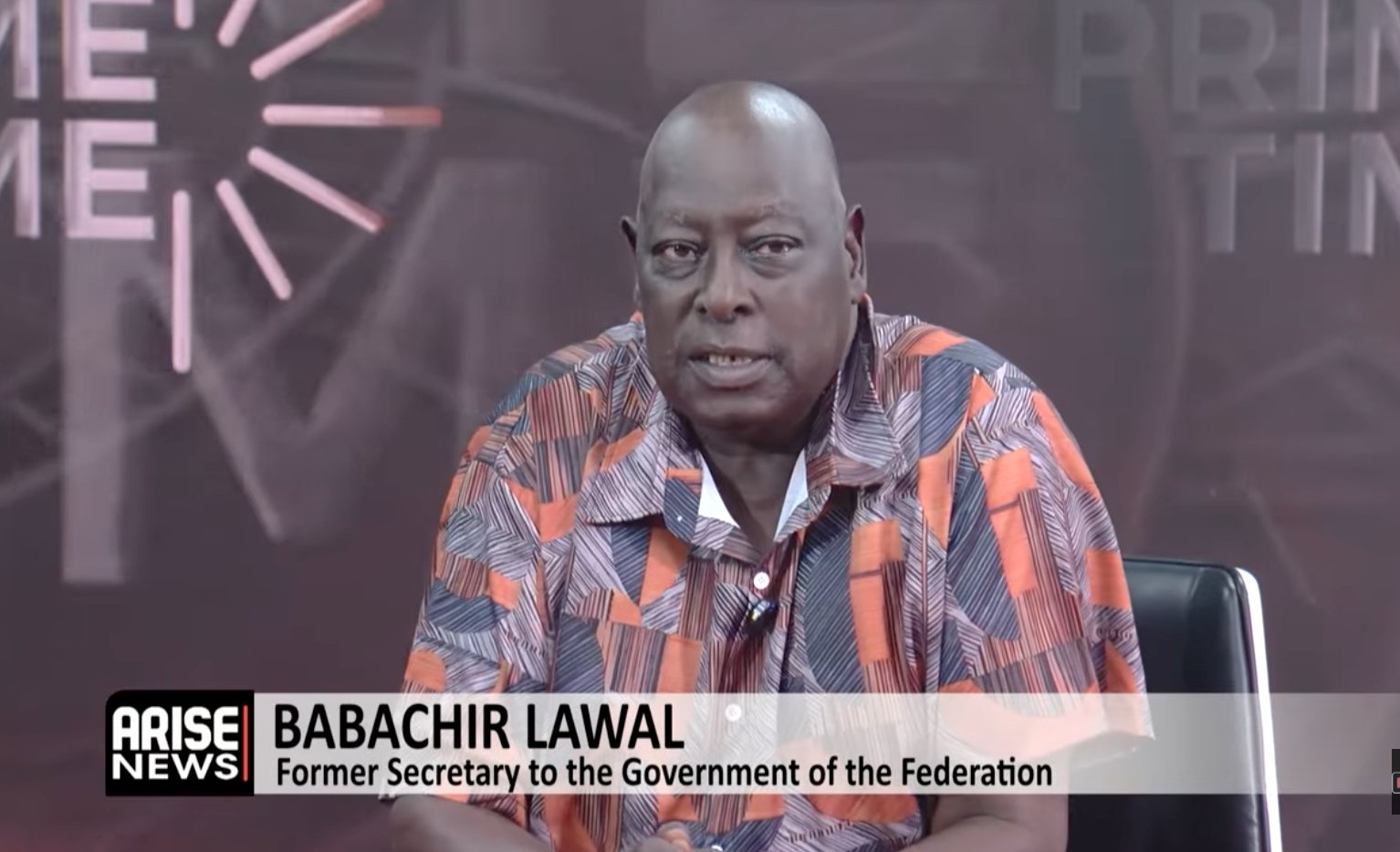
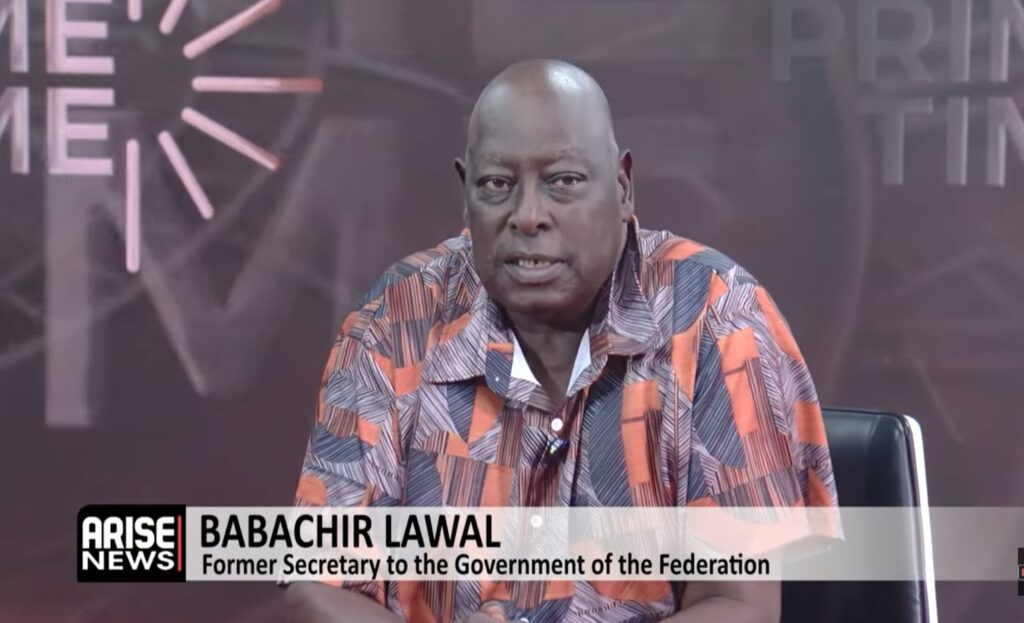
Former Secretary to the Government of the Federation (SGF), Babachir Lawal, has joined the Nigeria Democratic Congress (NDC), months after leaving the African Democratic Congress (ADC), and has publicly thrown his support behind the party’s presidential ticket of Peter Obi and Rabiu Musa Kwankwaso ahead of the 2027 general elections. Lawal announced his decision in Abuja on September 22, 2026, after meeting with the leadership of the NDC led by its National Leader, Senator Seriake Dickson.
Lawal explained that his decision was driven largely by his concerns about the condition of the country and what he described as the need for a political platform focused on addressing insecurity, economic hardship, hunger, poverty, ignorance and disease. According to the former SGF, Nigerians who are genuinely concerned about these challenges would naturally consider a platform presenting Obi and Kwankwaso as its presidential and vice-presidential candidates.
His comments marked a new turn in his political journey, particularly because Lawal had only a few months earlier left the ADC. He resigned from the party in June 2026 after alleging that its presidential primary process had been manipulated in favour of former Vice-President Atiku Abubakar. Lawal said at the time that he could no longer remain in a political organisation whose internal process, in his view, had been compromised. Those allegations were his own account of the events surrounding the primary.
After joining the NDC, Lawal said he had reconsidered his earlier decision to step back from active politics. He linked his return to his concerns about Nigeria’s future, particularly the situation facing younger generations. Rather than remaining on the sidelines, he said he wanted to contribute to political efforts aimed at addressing the country’s security and economic difficulties.
A major part of Lawal’s explanation was his assessment of Obi and Kwankwaso’s previous experience in public office. He pointed to their records as former governors of Anambra and Kano states respectively and said he believed their experiences could inform their approach to national governance. His assessment represents Lawal’s political view of the two men and should be understood in that context, rather than as an established prediction about the outcome of a future administration.
Lawal’s movement to the NDC also gives the party another experienced political figure as it prepares for the 2027 election cycle. The former SGF has spent years in Nigerian politics and previously served in the administration of former President Muhammadu Buhari. His entry therefore comes with experience in government, party politics and political mobilisation.
The NDC leadership welcomed Lawal and described him as an experienced political organiser and mobiliser. Senator Seriake Dickson said the former SGF would play a role in coordinating the party’s political activities, particularly in the northern part of the country. Reports said Lawal was given responsibility connected to campaign activities in the North-East and North-Central regions as the party continues preparations for the next general election.
Dickson also used the occasion to emphasise Lawal’s experience across different political platforms. According to the NDC leader, the former SGF had seen political parties make promises and, in his words, had also seen parties fail to deliver the changes they promised. The party leadership said his experience would be useful as the NDC builds its structures ahead of the 2027 contest.
For Lawal, however, the move appears to be about more than changing party membership. His remarks placed heavy emphasis on the social and economic conditions confronting Nigerians. He referred to insecurity, economic deprivation, hunger, ignorance and disease as issues that should influence political conversations about the country’s future.
The development comes at a time when political realignments are already shaping the early stages of the 2027 election cycle. Politicians and political groups have been moving between parties, forming new alliances and reassessing their positions ahead of the elections. Lawal’s movement from ADC to NDC adds another layer to those realignments, particularly because of his previous criticism of the ADC primary process and his subsequent decision to support the Obi-Kwankwaso ticket.
His political history also gives the move additional context. Lawal was part of the All Progressives Congress (APC) and served as SGF under Buhari before eventually becoming critical of the direction of the party. He later joined the ADC, but left following the dispute surrounding its presidential primary. He has now settled in the NDC and publicly identified with its presidential ticket.
As the 2027 elections draw closer, Lawal’s entry into the NDC is likely to add to the party’s organisational efforts, particularly in the northern regions where it is seeking to build a stronger political structure. The NDC has also begun preparations around polling agents and campaign structures as it moves towards the election period.
For now, Lawal’s message is clear: he says his return to active politics is motivated by concerns about Nigeria’s direction and his belief that the NDC’s Obi-Kwankwaso ticket offers a political platform through which he can pursue the kind of governance he wants to see. Whether voters ultimately share that assessment will be determined through the democratic process, but his defection has undoubtedly added another notable voice to the growing political conversation ahead of 2027.