Physical Address
304 North Cardinal St.
Dorchester Center, MA 02124
Physical Address
304 North Cardinal St.
Dorchester Center, MA 02124

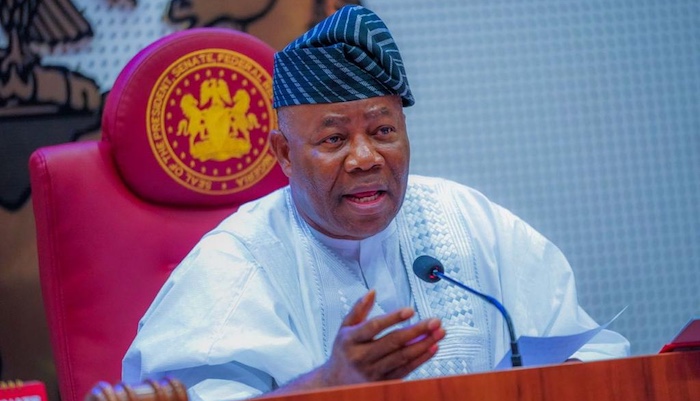
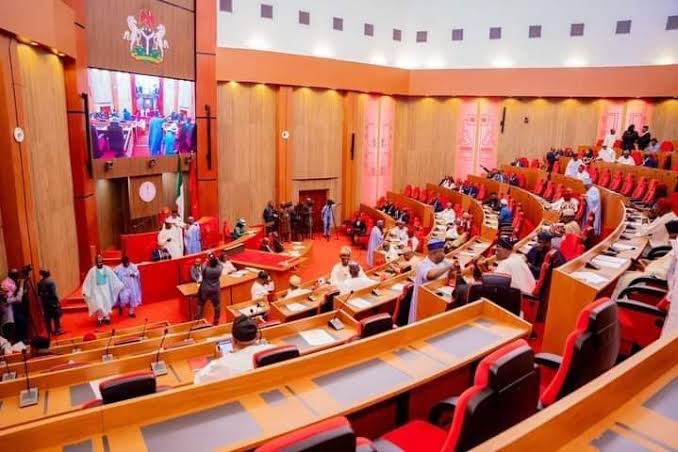
The Senate has ruled out any immediate review of the Electoral Act 2026 ahead of the 2027 general elections, saying the law was enacted specifically to provide the legal framework for the forthcoming elections and should not be altered while preparations are already underway.
The position followed the recent Supreme Court judgment which restored key provisions of the Electoral Act dealing with political party membership registers and the nomination of candidates. The decision has generated fresh discussions among political parties, aspirants and legal practitioners over how the restored provisions could affect the processes leading to the 2027 polls.
Chairman of the Senate Committee on Media and Public Affairs, Senator Yemi Adaramodu, said the National Assembly had already completed the electoral reform process. According to him, lawmakers would only consider reviewing or amending the legislation after the 2027 elections if there is a need to make further changes.
The Senate’s position means that political parties and candidates will have to prepare for the 2027 elections under the provisions contained in the current Electoral Act. The decision also signals that the legislature does not intend to respond to the latest Supreme Court judgment by immediately changing the provisions that have now been restored.
The Supreme Court judgment itself followed a legal dispute over sections 77(5), 77(6), 77(7) and 84(2) of the Electoral Act 2026. A seven-member panel of the apex court, led by Justice Adamu Jauro, held that the disputed provisions were not inconsistent with the 1999 Constitution and consequently overturned an earlier Court of Appeal decision that had declared them unconstitutional.
The restored provisions have important implications for how political parties conduct their internal processes. Under Section 77, political parties are required to maintain membership registers and submit them to the Independent National Electoral Commission within the period prescribed by law. The Act further provides that only members whose names appear on the submitted register can participate in party primaries, congresses and conventions.
Section 84(2), meanwhile, deals with the methods available to political parties for nominating candidates, including direct primaries and consensus. The restoration of these provisions has therefore placed renewed attention on the way parties conduct their primaries and compile their membership records as the 2027 elections draw closer.
The Supreme Court’s decision has also raised questions about political parties and candidates whose nomination processes have already taken place. However, the judgment did not automatically declare individual candidates ineligible or cancel every nomination that had already been completed. Legal practitioners have offered differing views on how the restored provisions should apply to specific cases, particularly where questions arise over party membership, defection or the conduct of primaries.
That distinction is important because the political calendar for 2027 is already moving rapidly. Political parties are organising congresses, selecting candidates and preparing their structures for the general elections. Any uncertainty surrounding the interpretation or application of the Electoral Act could therefore result in additional legal challenges if aspirants believe that party processes were not conducted in accordance with the law.
For now, however, the Senate’s message is that the rules will remain in place. Rather than opening another legislative process in the middle of preparations for the 2027 elections, lawmakers intend to allow the existing Electoral Act to guide the process and consider possible amendments after the election.
The development places a greater responsibility on political parties to understand and comply with the requirements of the law. Membership registers, primaries and nomination procedures are likely to receive increased attention as parties move closer to the formal stages of the 2027 electoral cycle.
It also leaves the Independent National Electoral Commission with an important role in implementing the Supreme Court’s decision. The commission had appealed the Court of Appeal judgment, and the Supreme Court’s ruling restored the provisions that had previously been struck down.
As preparations for the 2027 elections continue, the focus will now shift from whether the Electoral Act will be amended to how effectively its existing provisions will be applied. Political parties, aspirants and electoral officials will have to navigate the restored rules while courts may still be called upon to settle disputes arising from individual nomination processes.
For the Senate, though, the immediate question appears settled: there will be no review of the Electoral Act 2026 before the 2027 elections. Any further amendment or adjustment will have to wait until after the poll, when lawmakers can assess how the law worked in practice and whether changes are necessary.