Physical Address
304 North Cardinal St.
Dorchester Center, MA 02124
Physical Address
304 North Cardinal St.
Dorchester Center, MA 02124

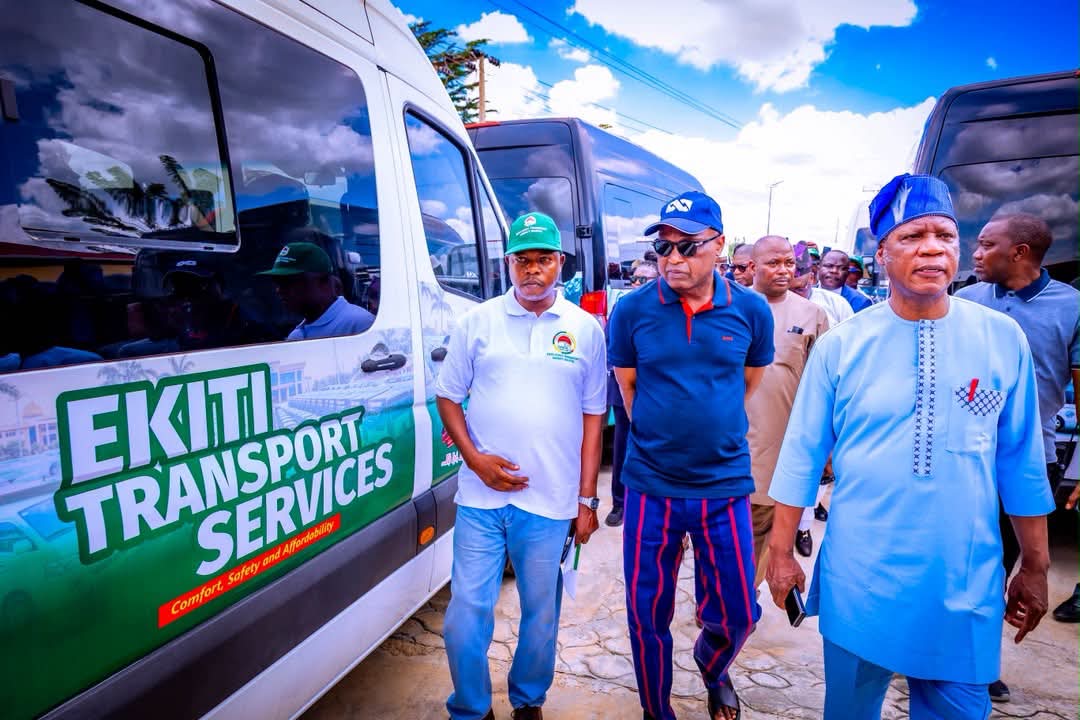
The Ekiti State Government has begun moves to reduce the cost of transportation for residents, with the deployment of 15 Compressed Natural Gas (CNG)-powered buses as part of efforts to bring down transport fares by as much as 50 per cent.
The initiative was officially flagged off in Ado-Ekiti by Governor Biodun Oyebanji, with the buses expected to provide cheaper transportation for residents travelling within and outside the state. The deployment comes at a time when the rising cost of transportation continues to put pressure on households and businesses across Nigeria.
According to the state government, the 15 buses represent the pilot phase of the programme, with plans to expand the fleet in the coming months so that more commuters can benefit from the cheaper transportation scheme. The buses were donated to Ekiti by the Federal Government as part of its broader CNG transportation initiative.
Governor Oyebanji said reducing transport costs had become necessary because transportation expenses have a direct effect on the prices of goods and services. He explained that the government was responding to the need to make movement easier and more affordable for ordinary residents.
The governor also appealed to transport unions to ensure that the savings from the use of CNG are actually passed on to passengers through reduced fares. He stressed that the purpose of the intervention would be defeated if commuters did not feel the impact in their pockets.
The new buses are expected to operate on major interstate routes linking Ado-Ekiti with Lagos, Ibadan, Onitsha and Abuja. These routes are particularly important to residents who travel regularly for business, education, work, medical appointments and other personal activities.
The Director-General of the Ekiti State Transportation Agency, Tajudeen Akingbolu, said the routes had already been mapped out for the buses. He added that the initiative was designed to provide a more affordable and reliable option for interstate travellers while reducing the pressure created by high transport fares.
For many Nigerians, transportation has become one of the most noticeable areas where rising living costs are felt every day. Higher fuel prices have pushed up the cost of operating commercial vehicles, while the increased cost of spare parts, maintenance and other expenses has also affected transport operators. These pressures are eventually passed on to commuters through higher fares.
The Ekiti intervention is therefore coming as part of a wider national effort to make CNG-powered transportation a cheaper alternative to petrol and diesel. The Federal Government has been encouraging states to deploy CNG buses and other alternative-energy vehicles as part of the National Affordable CNG Transit Programme.
The Presidential Initiative on CNG and Electric Vehicles had earlier said states were working towards the Federal Government’s October 1 target for measurable reductions in transportation costs.
Ekiti had actually received 15 CNG buses from the Federal Government in 2024, when the state began preparing to incorporate the vehicles into its mass transit system. The buses were intended for commercial transportation, including long-haul routes, with the expectation that cheaper CNG fuel would help reduce operating costs.
The latest deployment now places greater emphasis on ensuring that the savings generated by the buses reach commuters directly.
With fares on some interstate routes already running into thousands of naira, even a substantial reduction could make a noticeable difference for passengers who travel frequently. However, the success of the programme will depend not only on the number of buses deployed but also on effective management, adequate CNG refuelling infrastructure and compliance with the agreed fare reductions.
There are also wider concerns about the availability of CNG infrastructure across the country. While CNG vehicles can have lower operating costs, the benefits can be limited where refuelling stations and conversion facilities are inadequate. Recent reports have also shown that the national push for lower transport fares has faced implementation challenges in some states.
For Ekiti residents, however, the immediate expectation is straightforward: cheaper and more accessible transportation.
The state government says the 15 buses are only the beginning and that the fleet will be expanded to reach more commuters. If properly managed, the programme could provide some relief to residents who have had to adjust their daily activities around rising transport costs.
As the CNG buses begin operations on the Lagos, Ibadan, Onitsha and Abuja routes, attention will now be on whether the promised reduction actually reflects in what passengers pay at the parks. For commuters, the real measure of the programme will not simply be the number of buses on the road, but how much money they are able to save each time they travel.