Physical Address
304 North Cardinal St.
Dorchester Center, MA 02124
Physical Address
304 North Cardinal St.
Dorchester Center, MA 02124

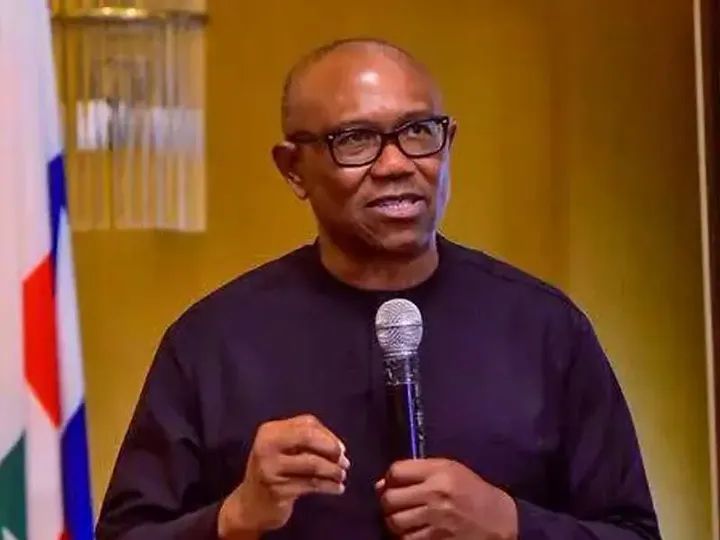
Former Anambra State Governor and Labour Party presidential candidate, Peter Obi, has expressed concern over Nigeria’s inability to translate its abundant natural and human resources into meaningful development, improved security and shared prosperity for its citizens, blaming the situation on persistent leadership failures.
Obi argued that Nigeria is blessed with enormous resources, including crude oil, natural gas, fertile agricultural land and a large population of young, talented and hardworking people. However, despite these advantages, millions of Nigerians continue to struggle with poverty, unemployment, insecurity and the rising cost of living.
His remarks have once again drawn attention to the long-standing question of why a country with Nigeria’s enormous economic potential continues to face significant developmental challenges. For Obi, the problem is not necessarily a lack of resources but the inability of successive governments to manage the country’s wealth effectively and convert it into tangible benefits for ordinary citizens.
Nigeria has, over the years, generated substantial revenue from its natural resources, particularly crude oil. Yet, many communities still lack access to quality healthcare, functional schools, reliable electricity, good roads and other essential public services. The situation has continued to raise concerns about resource management, accountability, public-sector efficiency and the priorities of those entrusted with political leadership.
Obi’s position places particular emphasis on the relationship between leadership and national development. He has consistently advocated for a system of governance that prioritises production, investment in human capital, prudent management of public funds and accountability in the use of national resources. From this perspective, the measure of a country’s progress should not be limited to the size of its economy or the revenue generated by the government, but should also reflect improvements in the living conditions of its people.
The country’s security challenges also remain a major concern. Persistent cases of kidnapping, banditry, terrorism, communal violence and other criminal activities have affected communities, disrupted economic activities and raised questions about the protection of lives and property. Insecurity has also placed additional pressure on farmers, businesses and investors, with consequences for food production, employment and economic growth.
Meanwhile, the rising cost of food, transportation, housing and other basic necessities has placed considerable pressure on Nigerian households. Many citizens continue to contend with limited purchasing power, while young people face difficulties securing decent employment and accessing opportunities that would enable them to become financially independent.
Obi’s comments highlight the importance of moving beyond the country’s resource potential to address the practical challenges confronting its population. The effective management of public revenue, investment in infrastructure, support for local industries, improved education and healthcare, and the creation of a secure environment are among the issues central to Nigeria’s development debate.
His remarks also raise broader questions about the responsibility of political leaders to ensure that public resources serve the interests of the wider population rather than being concentrated in the hands of a few. Good governance requires not only the formulation of policies but also their consistent implementation, transparent spending and measurable outcomes that citizens can experience in their daily lives.
Although Nigeria has made progress in certain sectors over the years, persistent poverty, infrastructure deficits, unemployment and insecurity continue to present significant challenges. Addressing these issues requires sustained policies, effective institutions and accountability across all levels of government.
Obi’s position is that Nigeria’s natural wealth should provide a foundation for a better standard of living, greater economic opportunities and a more secure society. His remarks have therefore renewed attention to the need for leadership that can turn the country’s considerable resources into practical improvements in the lives of its citizens.
Ultimately, the central issue raised by Obi is not simply how much wealth Nigeria possesses, but how effectively that wealth is managed and how far its benefits reach the ordinary Nigerian. For a country with such enormous potential, the challenge remains ensuring that national resources translate into genuine human development, security and shared prosperity.