Physical Address
304 North Cardinal St.
Dorchester Center, MA 02124
Physical Address
304 North Cardinal St.
Dorchester Center, MA 02124

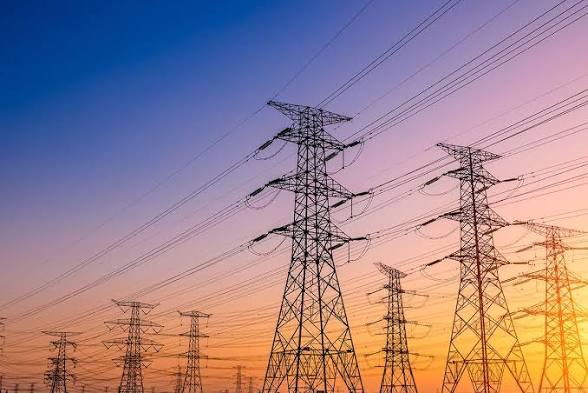
The Nigerian power sector stands as a colossal paradox, having swallowed over 5 trillion Naira in World Bank funding since 2001, yet the promise of consistent electricity remains an elusive dream for millions. Despite this staggering influx of capital, the national grid continues to oscillate between fragility and total collapse, leaving homes and businesses in perpetual darkness. The persistent gap between the massive financial investments poured into infrastructure and the actual output delivered to the citizenry has ignited intense frustration across the country. It is a haunting reality that such a monumental expenditure has failed to yield the transformative stability that should have revolutionized the industrial and domestic landscape of the nation.
At the heart of this enduring crisis lies a complex web of systemic failures, ranging from inadequate distribution networks to massive operational inefficiencies that seem to defy even the most generous financing. Experts often point to the crumbling state of transmission lines and the reluctance of distribution companies to invest in necessary upgrades, despite the significant foreign support provided over the past two decades. The lack of accountability in managing these funds has turned the sector into a bottomless pit, where transparency is frequently sidelined by bureaucratic bottlenecks and mismanagement. While the financial support from global institutions was intended to be a catalyst for growth, it has instead highlighted a deeper rot within the structural framework of the entire power value chain.
The socio-economic implications of this prolonged blackout are nothing short of devastating, as small-scale enterprises are crushed by the exorbitant costs of relying on diesel generators and fuel. For the average Nigerian, the dream of a stable power supply has been replaced by the grim routine of load-shedding and the struggle to sustain basic productivity in an environment starved of energy. This situation has stifled economic growth, discouraged foreign direct investment, and significantly lowered the quality of life for families who are forced to pay for services they rarely receive. The collective exhaustion from this cycle is palpable, as communities watch billions evaporate into a system that seems fundamentally incapable of providing the light it was promised to deliver.
Looking ahead, it is evident that money alone will not serve as the magic wand to fix a sector plagued by deep-seated institutional and technical obstacles. A complete overhaul of the current regulatory environment, coupled with a ruthless commitment to auditing how funds are deployed, is the only pathway toward genuine reform and operational excellence. Citizens are increasingly demanding a move away from the status quo, pushing for a decentralized energy strategy that prioritizes efficiency and local accessibility over legacy systems that have failed repeatedly. Until the authorities prioritize functional infrastructure over mere capital injection, the story of Nigeria’s power sector will continue to be one of wasted potential and dark nights.