Physical Address
304 North Cardinal St.
Dorchester Center, MA 02124
Physical Address
304 North Cardinal St.
Dorchester Center, MA 02124

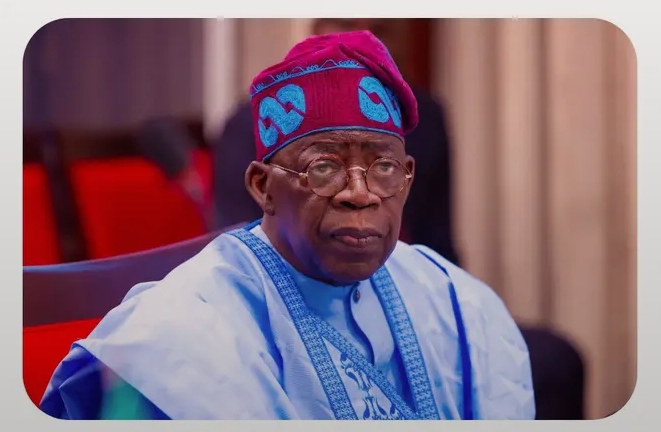
President Bola Tinubu has used the occasion of this year’s Eid-el-Kabir celebrations to send what he clearly hopes is a message of reassurance to millions of Nigerians who have spent the better part of his administration gritting their teeth through one of the most punishing economic periods in the country’s recent history. In a statement released to mark the Muslim festival, Tinubu declared that the “dark days are over,” insisting that his administration’s controversial economic reforms are finally beginning to yield the results he promised when he removed the fuel subsidy and floated the naira back in 2023.
The President painted an optimistic picture of a Nigeria turning a corner — pointing to what he described as improvements in economic stability, security, and the general wellbeing of citizens. He urged Nigerians to embrace the spirit of the season with renewed hope, framing Eid-el-Kabir’s tradition of sacrifice as a fitting metaphor for what the country has endured under his watch. In Tinubu’s telling, Nigerians sacrificed, the reforms held, and now the rewards are coming.
But many ordinary Nigerians are likely to greet those words with a raised eyebrow — or outright frustration. Food prices remain brutally high in markets across the country. The naira, despite some recent Central Bank interventions, is still a shadow of what it was before 2023. Millions of households are still making impossible choices between feeding their families and keeping a roof over their heads. When a sitting president tells you the dark days are over, and your generator is still running on fuel you can barely afford, the words tend to ring hollow.
To be fair, no serious analyst disputes that Nigeria needed structural reforms — the subsidy regime was bleeding the country dry and the managed exchange rate was a fiction that only served the well-connected. Tinubu’s team deserves some credit for making hard calls. But credibility on economic recovery is not built in presidential statements — it is built in the price of rice, the cost of school fees, and whether or not a Nigerian worker’s salary can survive to the end of the month. The light Tinubu is promising must become something Nigerians can actually see and feel — not just something they are told to believe in.