Physical Address
304 North Cardinal St.
Dorchester Center, MA 02124
Physical Address
304 North Cardinal St.
Dorchester Center, MA 02124

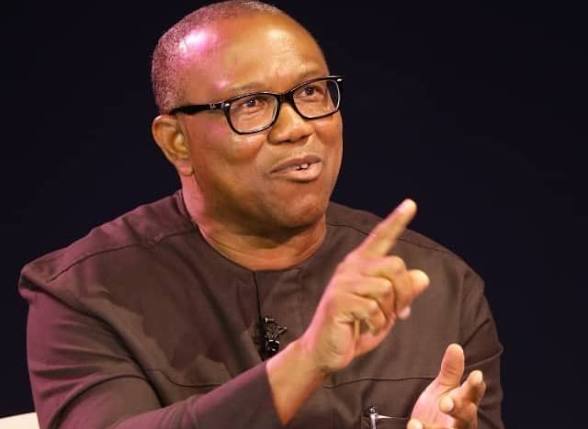
Tinubu’s 10-Minute Stop in Jos Says Everything About Nigeria’s Power CrisisIn politics, promises are easy to make—but history is written by those who keep them.During the 2023 presidential campaign, Bola Ahmed Tinubu made a bold and memorable statement: “If I don’t give you constant electricity in four years, don’t vote for me for a second term.” It was a line that resonated with millions of Nigerians tired of darkness, diesel costs, and a power sector that never seems to improve.
Fast forward to today, and that promise is being tested in real time.When Tinubu assumed office in 2023, Nigeria’s electricity generation hovered above 4,000 megawatts, with relatively lower tariffs. Today, the story has shifted—average supply struggles to stay below that same 4,000MW mark, while tariffs have increased, placing even more burden on citizens already battling economic hardship.But beyond the numbers lies a deeper, more troubling reality.
Nigeria currently records one of the lowest electricity consumption rates globally. With just 144 kWh per capita, the country falls far below Africa’s average of 617 kWh. In simple terms, Nigerians consume significantly less electricity than most Africans—not by choice, but by circumstance.
Then came the moment that sparked fresh outrage.During a brief stopover in Jos on April 2, 2026, while visiting families affected by a tragic attack, President Tinubu reportedly explained his 10-minute stay by pointing to a lack of electricity at the airport: “You have no light here, I fly out in ten minutes.”
That single statement carried more weight than perhaps intended.Because while it may have been said casually, it exposed a painful contradiction: a leader unable to remain for minutes without power in a country where citizens routinely endure days—sometimes weeks—without electricity.
This is where the conversation shifts from policy to perception.
Leadership is not just about making decisions from a distance; it is about shared experience, empathy, and accountability. When those at the top appear disconnected from the daily struggles of the people, trust begins to erode.
For millions of Nigerians, electricity is not a luxury—it is survival. It powers small businesses, preserves food, supports healthcare, and enables education. Every outage is more than inconvenience; it is lost income, missed opportunities, and added hardship.
So when promises about something this critical remain unfulfilled, frustration is inevitable.
The real question now is not whether the promise was made—it clearly was. The question is whether Nigerians will hold their leaders accountable to those words.Because democracy, at its core, is built on memory.
And if citizens remember, then statements like “don’t vote for me if I fail” are no longer just campaign rhetoric—they become a standard.Nigeria stands at a familiar crossroads: continue with unmet expectations or demand better outcomes. The power sector, once again, has become a symbol—not just of infrastructure failure, but of leadership itself.As the conversation grows louder, one message is becoming clear:
A new Nigeria is possible—but only if promises are no longer optional.