Physical Address
304 North Cardinal St.
Dorchester Center, MA 02124
Physical Address
304 North Cardinal St.
Dorchester Center, MA 02124

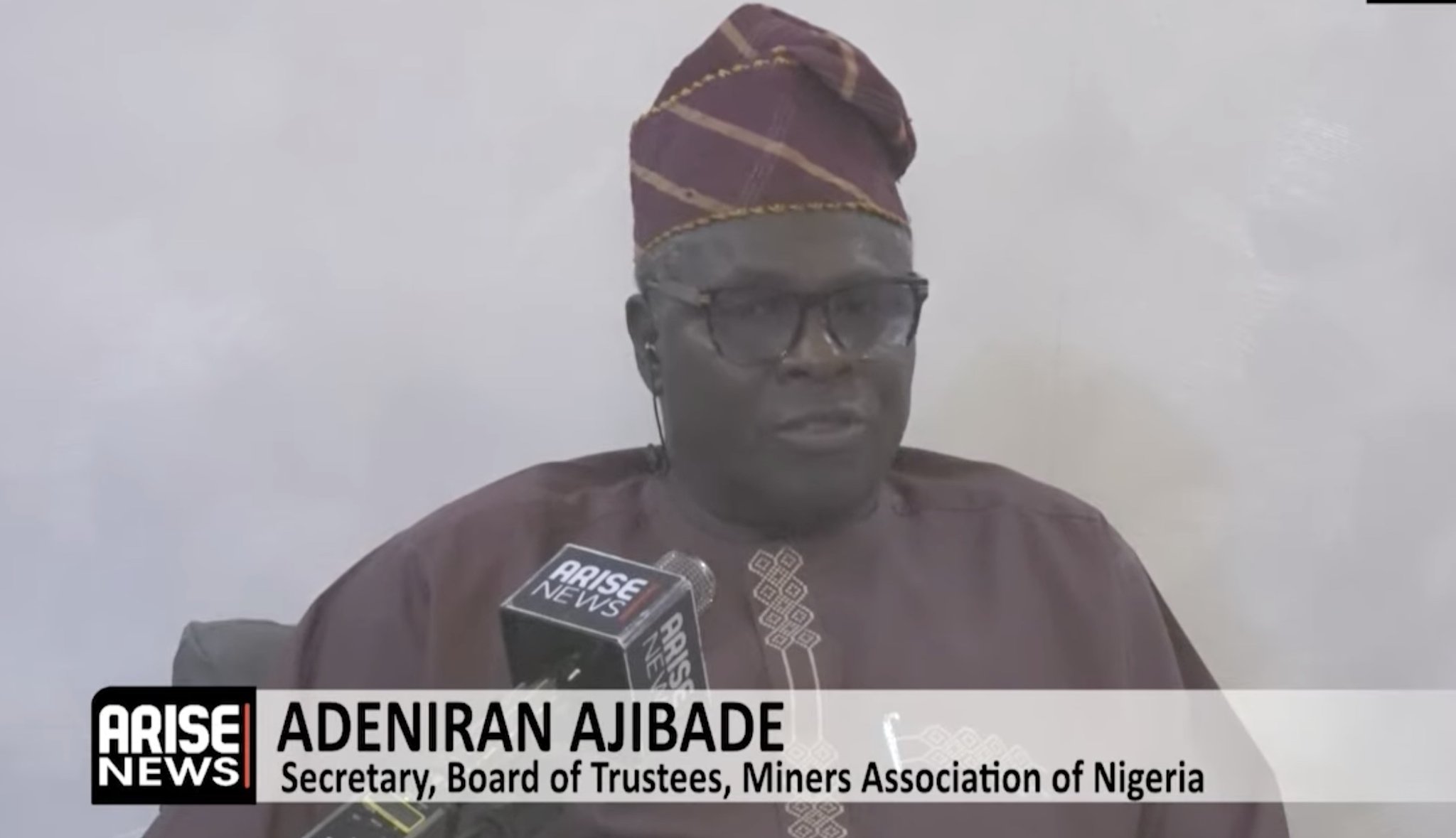
The deaths of 37 suspected illegal miners in Niger State have continued to raise serious questions about the circumstances surrounding their arrest and subsequent detention, with Adeniran Ajibade, Secretary of the Board of Trustees of the Miners Association of Nigeria, offering a different perspective on the incident.
Speaking during an interview with Arise News, Ajibade expressed doubt that the deceased miners were arrested at a legal mining operation. He said he was confident that the location where the arrests took place was not a legitimate mining site operated by a licensed miner who would ordinarily be associated with the Miners Association of Nigeria.
The clarification is significant because the circumstances surrounding the deaths have generated public concern, particularly over whether the people involved were operating legally or illegally and what happened to them after they were taken into custody.
Ajibade, however, was careful to draw a line between allegations of illegal mining and a person’s legal status after arrest. He stressed that the deceased were suspects and should therefore have been treated as innocent until proven guilty. In his view, the fact that authorities suspected them of illegal mining did not remove their basic rights or justify any treatment that could endanger their lives.
“It’s been a very unfortunate situation,” Ajibade said while describing the deaths of the 37 Nigerians as the loss of young lives in their prime. He maintained that even where a person is suspected of engaging in illegal mining, established procedures for enforcement and regulation must be followed.
His comments come against the backdrop of a tragic incident that has placed Nigeria’s mining sector and the conduct of enforcement operations under renewed scrutiny. The 37 miners reportedly died while in the custody of the Nigeria Security and Civil Defence Corps in Minna, Niger State, after they were arrested during operations targeting suspected illegal mining activities.
Authorities have since moved to investigate what happened. Reports indicate that the Federal Government suspended 20 NSCDC officers in addition to the Niger State Commandant, while an independent committee was constituted to examine the circumstances surrounding the deaths. The committee was given a mandate to visit relevant locations, examine documents and receive information that could help establish what happened.
The tragedy has also generated calls for accountability from different quarters. The deaths of so many people while under government custody have raised questions about the conditions in which the detainees were held, the circumstances leading to their deaths and whether established procedures were followed from the point of arrest through detention.
Ajibade’s intervention adds another dimension to the conversation. Rather than focusing only on the alleged illegal activities of the deceased, he argued that attention should also be paid to the manner in which enforcement is conducted. According to him, even if the deceased had been involved in illegal mining, there were regulatory and enforcement procedures that should have been followed.
That position is important because the fight against illegal mining is itself a legitimate concern for the government. Illegal mining can deprive the state of revenue, damage the environment and undermine licensed operators who invest significant resources to comply with regulations. The Federal Government has previously carried out enforcement operations against illegal mining sites and arrested suspected operators.
But Ajibade argued that Nigeria must avoid approaching the mining industry purely from the perspective of immediate revenue generation. He explained that legitimate mining requires substantial investment, technical expertise and time before the commercial value of a mineral deposit can properly be established.
According to him, exploration involves significant financial commitments and technical work to determine the grade and quantity of minerals available at a particular site. For that reason, he believes the development of the mining industry should be viewed as a long-term economic project rather than a quick source of government revenue.
His argument extends to the potential social benefits of a properly regulated mining industry. Beyond revenue, he said mining can create employment, develop skills and generate economic opportunities for communities and workers. He therefore cautioned that policies driven solely by the desire to generate immediate revenue could eventually become counterproductive and harm the development of the industry.
The incident has consequently reopened a broader debate about how Nigeria should regulate its mining sector while dealing with illegal operators. There is a clear need to enforce mining laws, but the enforcement process must also operate within the boundaries of the law.
For the families of the 37 deceased miners, however, the immediate concern is much more personal. They are left seeking answers about how their relatives died after being taken into custody and what exactly occurred between their arrest and their deaths.
The authorities have a responsibility to provide those answers through credible investigations rather than speculation. Until the relevant investigations are concluded, claims about the precise cause of death or responsibility for the tragedy should be treated with caution.
Ajibade’s remarks therefore bring the issue back to two questions that can exist side by side: how Nigeria can effectively confront illegal mining, and how the state should treat people arrested in the course of enforcing its laws.
One does not necessarily have to be sacrificed for the other. A country can enforce its mining regulations while still respecting due process and the dignity of people in custody.
For Ajibade, the deaths should serve as a warning that enforcement must be carried out according to established rules. His central point is that allegations of illegal mining remain allegations until they are properly established, and suspects in government custody must be protected regardless of the accusations against them.
As investigations into the Niger State tragedy continue, the findings will be important not only for the families of those who died but also for Nigeria’s wider mining sector and the agencies responsible for enforcing its laws. The outcome could help clarify what happened and determine whether any officials or other persons should be held responsible.