Physical Address
304 North Cardinal St.
Dorchester Center, MA 02124
Physical Address
304 North Cardinal St.
Dorchester Center, MA 02124

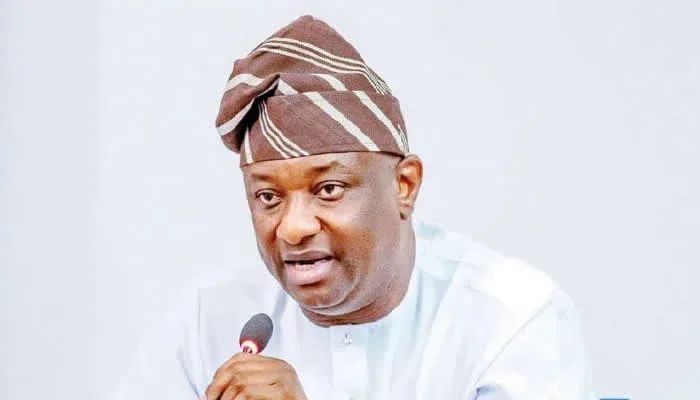
Minister of Aviation and Aerospace Development, Festus Keyamo, has warned Nigerians against resorting to violence or taking up arms under the guise of protecting their votes during the 2027 general elections. His warning comes as political activities gradually intensify ahead of the next electoral cycle, with discussions surrounding election security, the credibility of the voting process and the responsibility of citizens in safeguarding democracy gaining prominence. Keyamo’s message underscores the need for Nigerians to defend their electoral rights through lawful and democratic means rather than actions capable of undermining public safety. As political parties begin positioning themselves for the contest, the challenge before the country remains how to ensure that the desire for credible elections does not degenerate into confrontation, intimidation or violence.
The minister’s warning touches on one of the most sensitive aspects of Nigeria’s democratic experience: the relationship between electoral integrity and public security. Elections are intended to provide citizens with an opportunity to choose their leaders through a peaceful and transparent process. However, suspicions of manipulation, allegations of vote-buying, disputes over results and distrust of electoral institutions have historically contributed to tension during electoral periods. In such an atmosphere, some individuals may become convinced that the only way to prevent electoral malpractice is to organise themselves physically or confront those they suspect of attempting to manipulate the process. Keyamo’s position cautions against this approach, suggesting that attempts to protect votes must not become a justification for violence or the unlawful possession and use of weapons.
Nigeria’s electoral history demonstrates that political violence can have consequences extending far beyond election day. Clashes between rival supporters, attacks on electoral personnel, destruction of public property and intimidation of voters can undermine citizens’ confidence in democratic institutions. In extreme circumstances, violence can result in deaths, injuries, displacement and the destruction of livelihoods. It can also discourage citizens from participating in subsequent elections, particularly in communities where the threat of confrontation becomes a recurring concern. For this reason, the responsibility for peaceful elections cannot be placed on security agencies alone. Political leaders, party officials, candidates, supporters and ordinary voters must all recognise that democratic competition loses its purpose when disagreements are settled through force rather than lawful procedures.The warning also raises an important distinction between protecting one’s vote and engaging in vigilantism. Citizens have a legitimate interest in ensuring that their votes are counted accurately and that electoral procedures are followed in accordance with the law. However, this interest does not confer an unrestricted right to take up arms, threaten electoral officials or physically confront political opponents. The protection of votes should instead involve lawful observation, the reporting of suspected irregularities, the preservation of credible evidence and the use of established complaint and judicial mechanisms. Citizens who witness possible electoral offences should provide relevant information to the appropriate authorities rather than take the law into their own hands. A credible election requires vigilance, but that vigilance must operate within the boundaries of the law.
The role of the Independent National Electoral Commission will also be central to addressing the concerns that often motivate calls for aggressive vote protection. Public confidence in elections depends substantially on the transparency, independence and effectiveness of the electoral process. When voters believe that their choices will be respected and that irregularities will be investigated impartially, they are more likely to trust institutional mechanisms rather than resort to self-help. INEC must therefore continue to communicate clearly about electoral procedures, ensure that polling and collation processes are conducted transparently, and provide accessible channels for reporting complaints. The timely handling of technical challenges and credible allegations of misconduct would also help reduce uncertainty and prevent misinformation from escalating into disorder.Political parties and candidates equally have a responsibility to discourage their supporters from engaging in violence. In the months preceding the 2027 elections, political leaders will have considerable influence over the tone of public debate and the conduct of campaign activities. Statements that portray political opponents as enemies or suggest that electoral victory must be secured at all costs can increase tension among supporters. Conversely, leaders who consistently advocate peaceful competition, respect for electoral laws and acceptance of lawful dispute-resolution procedures can help establish a more responsible political atmosphere. Party organisations should also educate their agents and supporters on the proper procedures for monitoring voting, documenting irregularities and submitting complaints. The credibility of a political movement should be measured not only by its electoral ambitions but also by its commitment to democratic principles.
Another major concern is the possible spread of misinformation during the electoral period. Social media platforms have become important channels for political communication, allowing information to reach millions of Nigerians within a short time. However, unverified allegations about ballot manipulation, fabricated results, misleading videos and inflammatory messages can create panic and provoke confrontations before the facts are established. In a highly competitive election, even a false claim may trigger reactions with serious consequences for public safety. Nigerians must therefore exercise caution before sharing reports about electoral incidents, particularly when such reports accuse individuals or groups of misconduct. Media organisations, fact-checkers and digital platforms also have a role to play in promoting accurate information and preventing inflammatory content from worsening tensions.From a legal perspective, the protection of electoral rights must be pursued in accordance with the Constitution, the Electoral Act and other applicable laws. Nigeria’s constitutional framework guarantees political participation and provides mechanisms through which citizens can elect their representatives. The legal system also recognises procedures for challenging disputed election results and seeking remedies for electoral violations. Individuals who believe that an election has been compromised should therefore preserve relevant evidence and pursue the appropriate legal channels. Resorting to violence can expose participants to criminal prosecution while potentially weakening the very democratic process they claim to defend. The principle of the rule of law requires that grievances, however serious, be addressed through lawful institutions rather than private force.
Security agencies must also prepare adequately for the 2027 general elections by preventing violence without unlawfully restricting legitimate political participation. Their responsibility includes protecting voters, electoral officials, candidates and election materials while responding impartially to threats and reported offences. Effective security planning should involve intelligence gathering, cooperation among relevant agencies, rapid responses to credible threats and clear procedures for handling disturbances at polling units. At the same time, security personnel must operate within the law and avoid actions that could intimidate voters or undermine confidence in the electoral process. A peaceful election is not achieved merely by deploying more personnel; it also requires professionalism, accountability and public trust. Citizens must be able to exercise their voting rights without fear of violence from political actors or abuse by those responsible for maintaining order.
Ultimately, Keyamo’s warning serves as a reminder that protecting democracy requires discipline as much as determination. Nigerians have every reason to demand credible elections, insist that their votes count and hold electoral institutions accountable for their responsibilities. Nevertheless, the pursuit of electoral justice must not become a justification for taking up arms or endangering innocent lives. The 2027 general elections will test the country’s ability to manage political competition peacefully and strengthen confidence in democratic institutions. Political leaders must choose their words carefully, electoral authorities must demonstrate transparency, security agencies must act professionally and citizens must reject attempts to turn voting into a contest of physical strength. The true protection of the ballot lies in lawful vigilance, credible institutions and the collective determination to resolve political disagreements without violence.