Physical Address
304 North Cardinal St.
Dorchester Center, MA 02124
Physical Address
304 North Cardinal St.
Dorchester Center, MA 02124

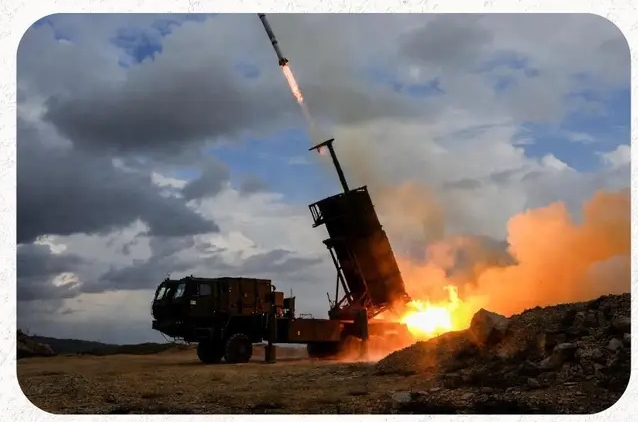
THE MIDDLE EAST IS ON FIRE — AND NIGERIA IS CAUGHT IN THE SMOKE. When bombs fall in Tehran, the tremors are felt in Lagos. That might sound dramatic, but for a country where crude oil accounts for everything — government salaries, road projects, FAAC allocations, the value of the naira — the war between the US, Israel, and Iran is not a foreign headline. It is a domestic economic event.Let us break it down.
WHAT HAPPENED? Late February 2026, the United States and Israel launched coordinated strikes on Iranian government, military, and nuclear targets in Tehran. Iran’s Supreme Leader, Ayatollah Khamenei, was reportedly killed in the attacks. Iran responded with sweeping missile strikes on American military installations across the Gulf, including a reported direct hit on the US Navy’s Fifth Fleet headquarters in Bahrain. Iran then declared what it called “total war” on Israel and the United States — and announced the closure of the Strait of Hormuz.That last part is the one that matters most for Nigeria.
THE STRAIT OF HORMUZ: WHY NIGERIANS SHOULD CARE: The Strait of Hormuz is a critical shipping corridor through which about 20 percent of global crude oil supply passes every single day. When Iran threatens — or partially closes — that corridor, global oil markets go into panic mode. And panic in oil markets means one thing: prices go up. Geopolitical shocks in the Middle East often push crude prices up sharply, sometimes by $5 to $15 per barrel within days. Before the strikes, Brent crude closed at $72.87 per barrel on Friday. By Saturday, after the attacks, it had already spiked by more than 3.66 percent, trading at $73 per barrel. (Punch) Analysts now say that if the conflict escalates further and targets energy infrastructure across the Gulf, Brent crude could surpass $100 per barrel. (Lagos Post Online)For a country like Nigeria, that number is everything.
GOOD NEWS FOR THE GOVERNMENT. Nigeria earns 75 to 90 percent of its revenue from oil. In the 2026 budget, crude oil price is pegged at $64.85 per barrel, with daily output estimated at 1.84 million barrels per day. (Lagos Post Online) Every dollar above that benchmark is extra revenue — money for roads, salaries, debt servicing, and government operations.Nigeria could benefit through higher export receipts, stronger reserves, and increased government allocations. (Sahara Reporters) FAAC distributions to federal, state, and local governments would rise. The naira could get some breathing room. External reserves could strengthen further.In short — on paper — this is a windfall moment for Abuja.But here is where it gets complicated.
BAD NEWS FOR ORDINARY NIGERIANS. While the government may be quietly celebrating higher oil prices, the average Nigerian on the street is about to feel the heat in a very different way. In a completely deregulated fuel market, higher international crude prices translate directly into rising petrol, diesel, and aviation fuel prices for consumers. Another hike in fuel prices will have a brutal and devastating effect on struggling Nigerians as inflation will skyrocket, with ripple effects on transport fares, food prices, and the cost of nearly every manufactured good. Nigeria’s inflation had been declining steadily through 2025. A fresh fuel price shock could erase those gains almost overnight. The government benefits at the top; the people pay at the pump.The Iran–US–Israel conflict represents a classic double-edged shock for Nigeria. Higher oil prices may strengthen fiscal and external balances in the short term (The Rio Times) — but weaken the wallets of the very citizens the government is supposed to serve.
NIGERIA’S ACHILLES HEEL: PRODUCTION PROBLEMS. Here is the brutal truth that no amount of high oil prices can paper over: production remains constrained at 1.4 to 1.6 million barrels per day, undermined by theft, vandalism, and underinvestment. Without tackling these bottlenecks, Nigeria risks missing out on the full windfall. The 2026 budget assumed 1.84 million barrels per day. Nigeria is producing far less than that. So even with prices surging toward $100, the country cannot fully cash in because it simply is not pumping enough oil. Billions of naira in potential revenue are leaking through pipelines — literally.
PETROAN has stressed the urgent need to consolidate and strengthen Nigeria’s domestic refineries (Naija News) as a buffer against these global shocks. The Dangote Refinery, now operational, gives some hope — but structural production problems remain.
THE FINANCIAL MARKETS ANGLE: During periods of heightened geopolitical risk, investors typically move toward safe-haven assets, strengthening the US dollar and putting pressure on emerging-market currencies, including the naira. (Nigerian Eye)So while oil revenues may bring dollars in through one door, a strengthening US dollar and nervous foreign investors could push capital out through another. Given Nigeria’s relatively shallow capital market and sensitivity to foreign portfolio investment, volatility in global financial conditions could offset part of the FX gains from higher oil prices. The net result on the naira will depend on which force wins — oil inflows or capital flight. Nobody knows yet.
THE AVIATION CHAOS IS ALREADY HERE: Iran’s missile strikes have forced the UAE to close its airspace, Qatar Airways to suspend all flights, and Dubai and Bahrain airports to shut indefinitely. Nigerian passengers scheduled to travel with Emirates and Qatar Airways from Abuja and Lagos have been stranded following widespread cancellations and delays on Middle East routes. (Punch)This is not theoretical future pain — it is happening right now. And prolonged disruptions would hit diaspora remittances, a critical lifeline for millions of Nigerian households.
WHAT EXPERTS SAY NIGERIA MUST DO: Analysts emphasize that to maximize potential benefits, Nigeria must strengthen anti-theft efforts, boost upstream investments, expand refining capacity, and diversify the economy beyond oil. The CPPE, led by Dr. Muda Yusuf, was blunt in its policy brief: the government must avoid repeating past cycles of excessive spending during oil price booms. Part of any windfall should be saved in stabilisation mechanisms, fiscal deficits reduced, and public debt accumulation moderated. Professor Wumi Iledare advised against assuming the conflict would trigger a prolonged oil shock, noting that unless there is a sustained supply disruption, price increases may be temporary. Even if prices approach $80 per barrel, Nigeria must remain cautious due to existing debt obligations and oil-backed loans. THE BOTTOM LINE. The Middle East is burning, and Nigeria is standing at the edge of the fire — close enough to feel the heat, far enough to not be consumed. Yet.The government has a rare opportunity: use the coming revenue surge to fix the things that have been broken for years — pipelines, refineries, production capacity, economic diversification. If it does, Nigeria could emerge from this global crisis stronger.If it doesn’t — if this becomes another boom-and-bust cycle of reckless spending followed by painful cuts — then ordinary Nigerians will once again carry the heaviest burden of a crisis they did not start. As Dr. Yusuf put it best: “The ultimate impact will depend less on external developments and more on domestic policy discipline. Strategic savings, improved production efficiency, macroeconomic prudence and structural diversification will determine whether Nigeria turns geopolitical turbulence into economic resilience.” Nigeria has been given the match. The question is whether it lights a torch — or burns the house down.