Physical Address
304 North Cardinal St.
Dorchester Center, MA 02124
Physical Address
304 North Cardinal St.
Dorchester Center, MA 02124

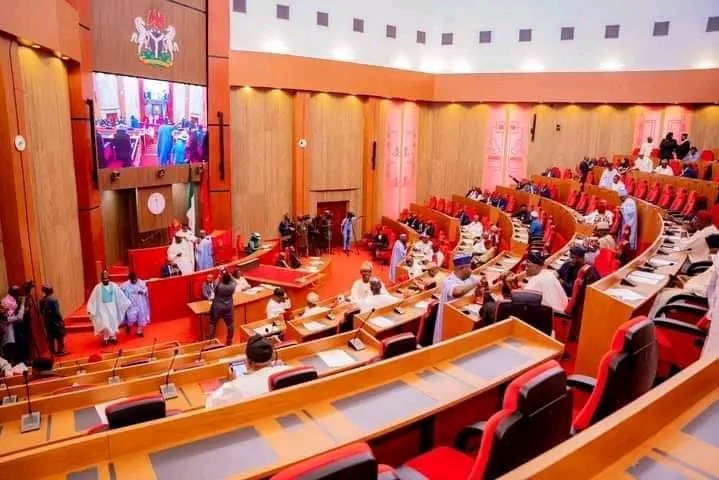
In a move that feels like a deliberate attempt to keep Nigeria’s electoral process in the “dark ages,” the Senate has once again rejected the mandatory real-time electronic transmission of election results. Despite the loud and clear cries of Nigerians for a system that limits human interference, our lawmakers seem more interested in protecting the status quo than ensuring the sanctity of the ballot.By voting against a provision that would have legally mandated the upload of results directly from polling units to the IReV portal, the Red Chamber has effectively left the door wide open for the same old manual “miracles” that happen between polling units and collation centers.
The “Technical Gap” Excuse
The excuse often touted—that Nigeria lacks the network coverage to support nationwide electronic transmission—is becoming harder to swallow. If millions of Nigerians can perform bank transfers and register for NIN in the remotest villages, why is it that only election results struggle to find a signal?By maintaining the status quo (where electronic transmission is at the discretion of INEC rather than a legal mandate), the Senate is creating a legal loophole. We saw how this played out in the past: when the “glitch” happens, we are told to go back to the manual papers—the very papers that are vulnerable to snatching, rewriting, and “adjusting” at midnight.
Indirectly Enabling the “Rigging Machinery”
Let’s call a spade a spade: rejecting a transparent, real-time audit trail is a gift to those who benefit from electoral opacity. When results aren’t transmitted immediately, it provides a window of time—a “golden hour” for manipulators—to ensure the numbers on the paper don’t necessarily match the voices of the people.By refusing to make this technology mandatory, the Senate is indirectly providing a legislative cover for the rigging machinery to keep grinding. It suggests a fear of a system where the winner is decided by the voter, not by the “arithmetic” of the collation officer.
A Nation Dissatisfied
The mood across the country is one of profound disappointment. Nigerians are tired of being told to “trust the process” when the process is designed to be as murky as possible. We want an electoral framework that is foolproof, not one that relies on the “good intentions” of officials.The Senate’s decision feels like a betrayal of the 2027 aspirations. If we cannot secure the results at the source, then the billions spent on technology like BVAS become nothing more than expensive window dressing for a flawed system.