Physical Address
304 North Cardinal St.
Dorchester Center, MA 02124
Physical Address
304 North Cardinal St.
Dorchester Center, MA 02124

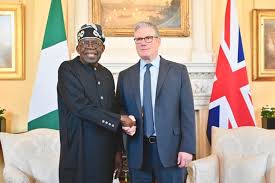
Nigeria Secures £746 Million Deal with UK to Transform Key Ports — Game-Changer or Debt Trap? In a major development poised to reshape Nigeria’s maritime sector, the Federal Government has sealed a £746 million loan agreement with the United Kingdom aimed at revamping critical port infrastructure in Lagos — specifically the Tin Can Island Port and Apapa Port.The deal, reportedly facilitated during high-level bilateral engagements between Nigerian and UK officials, is expected to address long-standing inefficiencies that have plagued the country’s busiest ports for years.
What This Deal Means for Nigeria: For decades, congestion, outdated facilities, and poor logistics have slowed operations at Apapa and Tin Can. These ports handle a significant percentage of Nigeria’s imports and exports, yet inefficiencies have cost businesses billions annually.With this fresh injection of funds, the government aims to:Modernize port infrastructureImprove cargo handling capacityReduce turnaround time for shipsEase gridlock around port access roadsIf properly executed, this could significantly boost trade competitiveness and reduce the cost of goods nationwide.
Why This Matters NowNigeria’s economy heavily relies on imports, making port efficiency a critical factor in inflation and supply chain stability. A functional port system could:Lower import costsImprove ease of doing businessAttract foreign investmentIncrease government revenue through customs dutiesThis intervention comes at a time when economic pressures are mounting, and citizens are demanding tangible improvements in governance and infrastructure.
Public Reaction: Progress or Borrowing Burden?While some stakeholders have welcomed the initiative as long overdue, others are raising concerns about Nigeria’s rising debt profile.Critics argue:Why rely on foreign loans instead of fixing internal revenue leakages?Will the funds be transparently utilized?Are there safeguards to ensure the project doesn’t become another abandoned initiative?Supporters, however, insist that strategic borrowing for infrastructure is necessary — especially when it targets sectors that can generate economic returns.
The Bigger Picture: This agreement also signals strengthening economic ties between Nigeria and the UK, particularly in infrastructure financing and development. It reflects a broader trend of international partnerships aimed at addressing Africa’s infrastructure gap.
Final ThoughtsThe £746 million port revitalization deal could either become a landmark achievement in Nigeria’s economic reform journey — or another cautionary tale of debt without impact.The real test lies not in signing agreements, but in execution, transparency, and measurable results that Nigerians can feel in their daily lives.
What do you think?Is this a strategic investment Nigeria needs, or just another loan adding to the burden?
Follow for more sharp, people-focused updates on governance, economy, and national development.