Physical Address
304 North Cardinal St.
Dorchester Center, MA 02124
Physical Address
304 North Cardinal St.
Dorchester Center, MA 02124

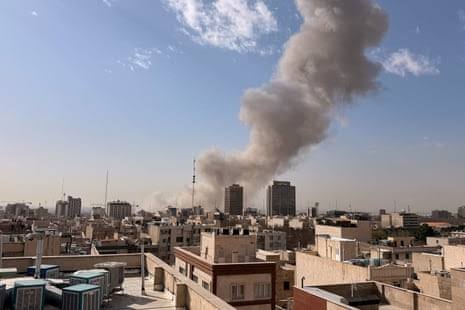
KUWAIT AIR DEFENCES SHOOT DOWN 97 IRANIAN MISSILES, 283 DRONES TARGETING COUNTRY
Kuwait’s air defense systems successfully intercepted a massive Iranian aerial assault, shooting down 97 ballistic and cruise missiles along with 283 drones in what analysts are already calling one of the most significant air defense operations in the region’s modern history.
WHAT WE KNOW SO FAR
The Kuwaiti Ministry of Defense confirmed the interceptions in an official statement released in the early hours, describing the coordinated attack as deliberate, unprovoked, and a flagrant violation of Kuwaiti sovereignty and international law.
According to initial reports, the projectiles were launched from multiple directions, suggesting a coordinated and pre-planned strike designed to overwhelm Kuwait’s layered defense systems. The sheer volume — 97 missiles and 283 drones — points to a sophisticated and large-scale military operation.
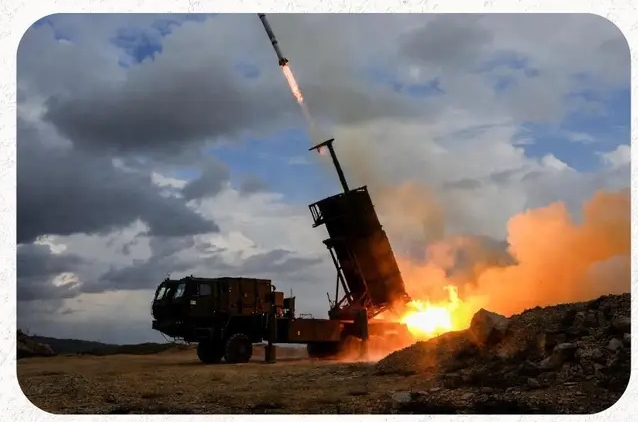
Despite the scale of the assault, Kuwait’s integrated air defense network — which includes Patriot PAC-3 batteries and advanced radar systems — performed remarkably, achieving an interception rate that defense experts are still processing.
No official word yet on casualties or damage to civilian infrastructure resulting from debris or any missed intercepts. Authorities have urged citizens to remain calm and follow official guidance.
REGIONAL IMPLICATIONS
This incident marks a dramatic and dangerous escalation in Gulf tensions. A direct Iranian strike on Kuwaiti territory — if confirmed to have been state-sanctioned — would represent a massive shift in the regional security landscape.
Gulf Cooperation Council (GCC) member states are expected to convene an emergency session. The United States, which maintains a significant military presence in Kuwait, has not yet issued a formal statement at the time of publishing but is widely expected to respond strongly.
Iran, for its part, has not officially claimed responsibility as of this posting.
THE AIR DEFENSE PERFORMANCE
Numbers alone tell a remarkable story:
97 missiles intercepted
283 drones shot down
Total threats engaged: 380
Pulling off an interception operation of this magnitude requires not just hardware, but highly trained personnel, real-time coordination, and robust command-and-control infrastructure. Kuwait’s military deserves recognition for what appears to be an extraordinary defensive performance under extreme pressure.
Defense analysts will be studying this engagement closely. The data gathered from this event — radar signatures, flight paths, missile types — will be invaluable for future defense planning across the entire Gulf region.
WHAT HAPPENS NEXT
The key questions now:
Will Kuwait invoke collective defense mechanisms under the GCC treaty?
How will the United States and Western allies respond diplomatically and militarily?
Will Iran acknowledge or deny the strikes?
What was the intended target — military installations, infrastructure, or something else?
Will this trigger retaliatory action?
The situation remains extremely fluid. Residents in Kuwait have been advised to avoid crowded outdoor areas while the military conducts post-attack assessments and sweeps for any unexploded remnants.
CLOSING THOUGHTS
Whatever the political context or motivation behind this attack, one thing is clear: Kuwait’s investment in modern, layered air defense systems paid off today in the most critical way possible — protecting lives.
This is a developing story. We will update this post as more information becomes available from official sources.
Stay safe, Kuwait.
DISCLAIMER: This post is based on available headline reporting. Details may change as official statements and verified information emerge. Always refer to official Kuwaiti government and military channels for confirmed facts.
Share this post | Leave a Comment | Subscribe for Updates