Physical Address
304 North Cardinal St.
Dorchester Center, MA 02124
Physical Address
304 North Cardinal St.
Dorchester Center, MA 02124

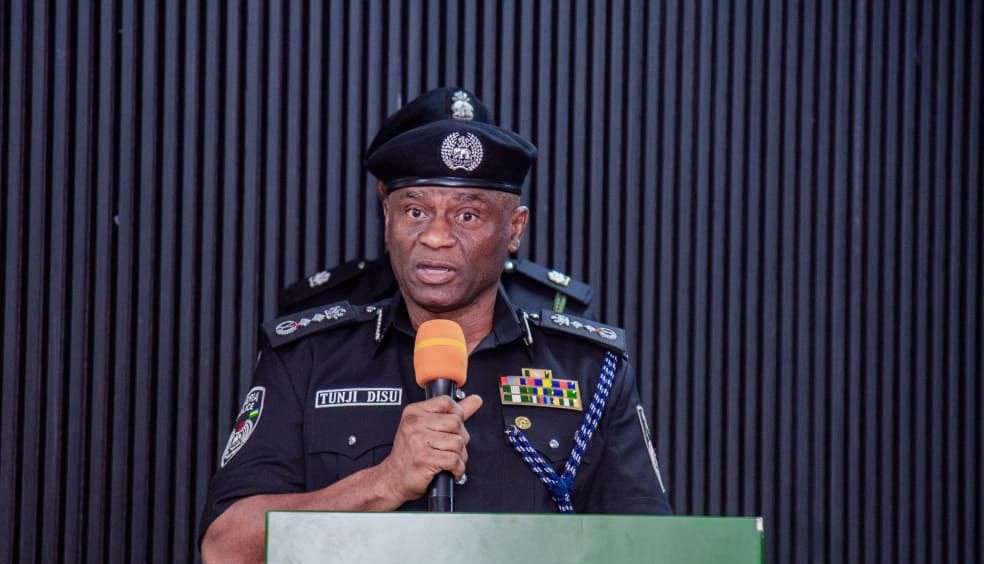
JUST IN: Court Affirms Nigerians’ Right to Film Police in Public — A Landmark Win for Civil Liberties. In a significant development for constitutional rights and police accountability, the Federal High Court sitting in Warri has reportedly held that Nigerians possess the legal right to record police officers while they carry out their duties in public spaces.
Constitutional BackboneThis ruling is anchored on the fundamental rights provisions in the Constitution of the Federal Republic of Nigeria 1999 (as amended)—particularly:Freedom of expression (Section 39)Right to receive and impart informationBy implication, recording police activities in public is treated as a legitimate exercise of civic oversight, provided it does not obstruct law enforcement operations.
Implications for Policing in NigeriaThis decision sets a strong judicial precedent with far-reaching consequences: Enhanced Accountability: Citizens can now lawfully document police conduct, potentially curbing abuses such as extortion or unlawful arrests.Evidence Preservation: Recorded footage may serve as admissible evidence in court, especially in cases involving misconduct.Operational Boundaries: While the right exists, it is not absolute—interference, obstruction, or endangerment of officers may still attract legal consequences.
Legal Significance Although decisions of the Federal High Court are not binding on other courts of coordinate jurisdiction, they are highly persuasive, especially on matters involving constitutional interpretation. If upheld on appeal, this could crystallize into a nationwide standard.
Bottom Line: This ruling reflects a progressive judicial attitude toward transparency and civil liberties in Nigeria. It also signals to both citizens and law enforcement agencies that public accountability is not optional—it is constitutional.