Physical Address
304 North Cardinal St.
Dorchester Center, MA 02124
Physical Address
304 North Cardinal St.
Dorchester Center, MA 02124

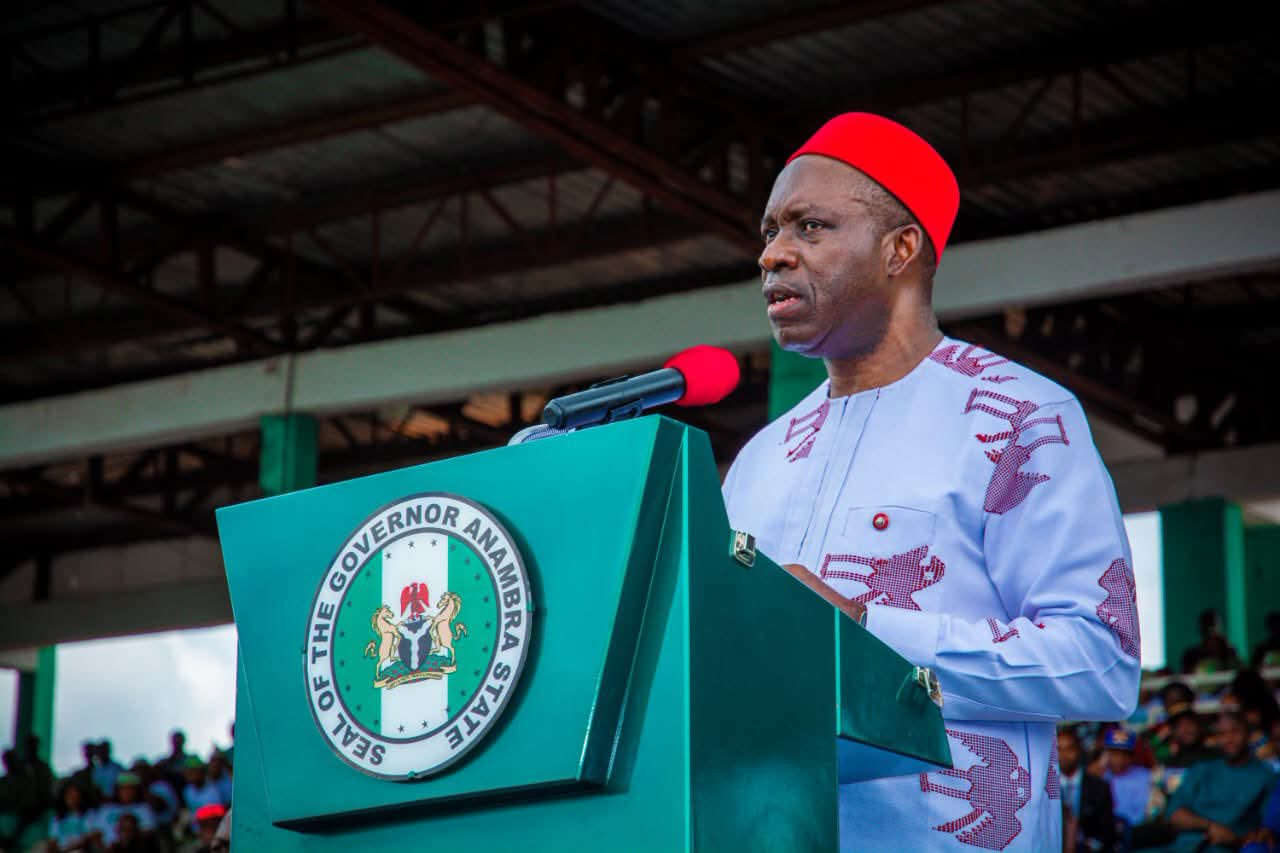
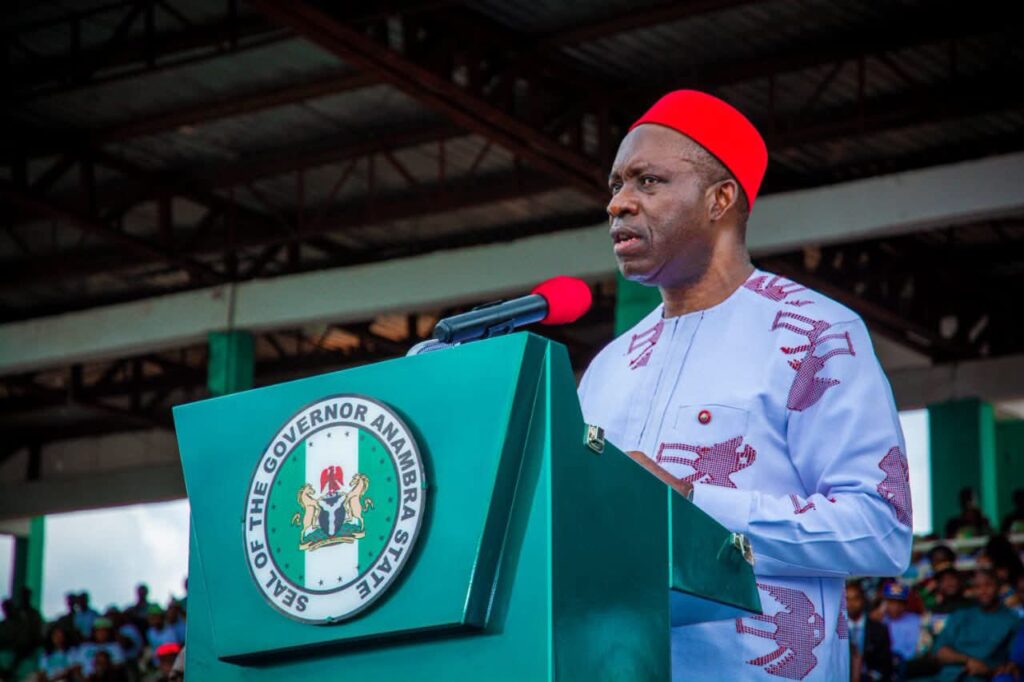
Anambra State Governor, Professor Chukwuma Charles Soludo, has urged the people of the Southeast, particularly Ndigbo, to support President Bola Ahmed Tinubu’s re-election bid ahead of the 2027 general elections. The governor’s position reflects an argument that greater political cooperation between the Southeast and the Federal Government could help advance the region’s interests and strengthen its participation in national decision-making. His appeal comes as political alignments begin to take shape across the country, with parties, governors and other influential stakeholders considering strategies for the next presidential contest.
Soludo’s call places renewed attention on the relationship between the Southeast and the ruling All Progressives Congress (APC). The region has historically maintained a complicated relationship with the APC, with political support often divided among different parties and presidential candidates. Many voters in the Southeast have traditionally favoured opposition candidates, while some political leaders have advocated closer engagement with the party controlling the Federal Government. The governor’s position adds to the debate over whether regional interests are best advanced through opposition politics or cooperation with the party in power.
One of the central arguments behind the appeal is the importance of political partnerships in a federal system where decisions about national development, infrastructure, security and public investment involve cooperation between different levels of government. Supporters of closer engagement with Tinubu’s administration may argue that maintaining constructive relations with the presidency could improve the Southeast’s access to federal opportunities. Such engagement, they believe, could help strengthen the region’s position in negotiations over projects, appointments and policies affecting its economic and social development.
However, the question of political support remains complex because Ndigbo are not a politically uniform group. The Southeast comprises millions of people with different party affiliations, ideological positions, economic priorities and expectations of political leadership. While some may support Soludo’s argument for cooperation with the Tinubu administration, others may prefer an opposition candidate or insist that presidential support should depend on the administration’s record and its treatment of the region. Consequently, the governor’s appeal is likely to contribute to an ongoing discussion rather than automatically determine the political choices of Southeast voters.
The 2027 presidential election is expected to generate intense competition as political parties seek to build alliances across Nigeria’s six geopolitical zones. For the APC, securing stronger support in the Southeast could represent an opportunity to broaden its national electoral base. For regional political leaders, meanwhile, the election provides an opportunity to negotiate over policies and commitments that could address long-standing concerns about infrastructure, economic inclusion and political representation. The extent to which such negotiations translate into public support will depend on the credibility of the promises made and the confidence voters place in the candidates.
Economic development is likely to remain an important consideration in the political calculations of Southeast residents. The region is known for its commercial activity, entrepreneurship, manufacturing and extensive network of small and medium-sized businesses. Improved roads, reliable electricity, affordable transportation, access to finance and stronger security could significantly influence the prospects of businesses and households. Political leaders seeking support in the region will therefore face pressure to demonstrate how their preferred candidates and political alliances can deliver practical benefits rather than rely exclusively on appeals to party loyalty.
Security and regional stability may also influence the debate. Concerns about insecurity, disruptions to commercial activities and the safety of residents have remained important issues in parts of the Southeast. Many citizens want governments at the federal and state levels to work together to protect lives, support lawful economic activity and create conditions in which businesses can operate without fear. Any argument for political cooperation with the Federal Government is therefore likely to be judged partly by whether it produces meaningful progress on these concerns.
Soludo’s appeal also raises broader questions about the relationship between regional identity and national politics. Some political observers argue that the Southeast must build stronger cross-regional alliances to increase its influence in national affairs, while others maintain that meaningful political inclusion requires clear commitments, measurable outcomes and respect for the region’s concerns. These positions are not necessarily mutually exclusive: a region can pursue strategic partnerships while continuing to demand accountability from its political representatives. Ultimately, the debate concerns how Ndigbo can maximise their influence without abandoning the right to independently assess candidates and policies.
For Tinubu and the APC, any effort to attract more support from the Southeast will require engagement that goes beyond election-season declarations. Voters may look for evidence of inclusive governance, fair distribution of development projects, improved infrastructure, stronger economic opportunities and meaningful consultation with regional stakeholders. They may also assess whether promises made before the election are followed by tangible action. The administration’s ability to address these expectations could influence how receptive voters are to calls for its continuation in office.
As preparations for the 2027 elections gather momentum, Soludo’s position is likely to remain part of the wider national conversation about political alliances and regional interests. His appeal underscores the strategic importance of the Southeast in Nigeria’s electoral calculations and the continuing search for ways to secure greater regional influence. Nevertheless, the final decision rests with the electorate, whose votes will be shaped by competing candidates, party programmes, political performance and personal convictions. Whether Ndigbo embrace the governor’s recommendation will ultimately depend on how convincingly the proposed political partnership addresses their aspirations for inclusion, development, security and a stronger voice in Nigeria’s future.