Physical Address
304 North Cardinal St.
Dorchester Center, MA 02124
Physical Address
304 North Cardinal St.
Dorchester Center, MA 02124

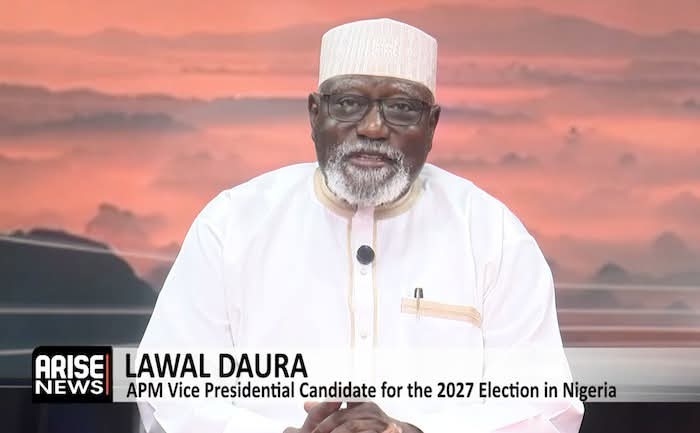
The political atmosphere in Nigeria is gathering momentum as opposition figures intensify discussions aimed at building a coalition ahead of the next presidential election. Lawal Daura, the vice-presidential candidate of the Allied Peoples Movement (APM), has disclosed that negotiations among opposition groups have accelerated, with Nigerians expected to know the coalition’s consensus presidential candidate soon. His statement has drawn attention to ongoing efforts by political actors to explore cooperation, strengthen their electoral chances and potentially present a common candidate capable of challenging the ruling party.
Daura’s remarks come amid growing conversations about the need for opposition parties to work together rather than approach the next presidential contest as isolated political organisations. In Nigeria’s competitive electoral environment, coalition-building can become an important strategy for parties seeking to consolidate support, avoid splitting votes and improve their chances at the ballot box. The possibility of a consensus candidate has therefore become a subject of interest among politicians, party supporters and citizens following developments ahead of the next election.
Although the opposition coalition talks are reportedly progressing, several questions remain about the structure, leadership and political direction of the proposed alliance. A successful coalition would require participating parties and influential political figures to agree on more than the identity of a presidential candidate. They would also need to establish a common programme, determine how power would be shared and develop a framework for resolving disagreements that could arise during the campaign or after the election.
The selection of a consensus presidential candidate is likely to be one of the most sensitive aspects of the negotiations. Nigeria’s opposition parties include politicians with different ideological positions, regional interests, electoral strengths and ambitions for national leadership. Persuading these interests to unite behind one candidate could require extensive consultations and difficult compromises. The outcome may depend on the willingness of political leaders to prioritise the coalition’s collective objectives over individual ambitions.
Daura’s suggestion that the public could soon learn the identity of the consensus candidate may indicate that discussions have moved beyond preliminary consultations. However, until the participating parties or coalition leaders make a formal announcement, the identity of the eventual candidate and the terms of the agreement remain uncertain. Political negotiations can change rapidly, particularly when questions of party control, zoning, campaign strategy and the distribution of political responsibilities are involved.
For opposition parties, the prospect of presenting a united candidate carries both opportunities and risks. A common candidate could attract voters who want an alternative to the ruling party and make it easier to coordinate campaign resources across different states. It could also help reduce the fragmentation that sometimes weakens opposition parties during national elections. Nevertheless, unity at the leadership level does not automatically guarantee that supporters of the participating parties will transfer their allegiance to the coalition’s chosen candidate.
The negotiations are also unfolding against the backdrop of public concerns about Nigeria’s economic and political conditions. Issues such as the cost of living, unemployment, insecurity, infrastructure, education and access to healthcare are likely to influence voters’ decisions in the next presidential election. Opposition parties seeking to build a credible alternative will therefore need to demonstrate that their proposed coalition offers practical solutions to these challenges. Beyond selecting a candidate, the alliance would have to convince Nigerians that it possesses the leadership capacity and policy direction required to govern the country effectively.
Another major challenge will be maintaining unity among the coalition’s different political interests throughout the electoral process. Previous political alliances in Nigeria have demonstrated that agreements reached during negotiations can come under pressure when candidates are selected, party primaries are conducted or campaign strategies are implemented. Differences over political appointments, regional representation and control of party structures can create tensions if the coalition lacks a clear mechanism for managing disputes. Establishing trust and transparent decision-making procedures could therefore be essential to the alliance’s long-term stability.
The role of political parties and their internal structures will also be important in determining whether the proposed consensus arrangement can be implemented successfully. Depending on the participating parties and the applicable electoral rules, leaders may need to reconcile coalition agreements with party constitutions and the formal processes for selecting candidates. Any arrangement that lacks broad acceptance within the participating organisations could face resistance from members who believe their interests have been overlooked. For this reason, consultation and internal consensus may be just as important as negotiations among national political leaders.
As Nigerians await further details, Daura’s statement has added to expectations surrounding the opposition’s plans for the next presidential contest. The coming weeks and months may reveal whether the ongoing discussions will produce a workable alliance and a candidate capable of securing broad national support. For now, the reported acceleration of coalition talks signals that opposition figures are considering their options seriously, but the ultimate significance of the process will depend on the credibility of the eventual candidate, the strength of the coalition’s programme and its ability to translate political negotiations into electoral support.