Physical Address
304 North Cardinal St.
Dorchester Center, MA 02124
Physical Address
304 North Cardinal St.
Dorchester Center, MA 02124

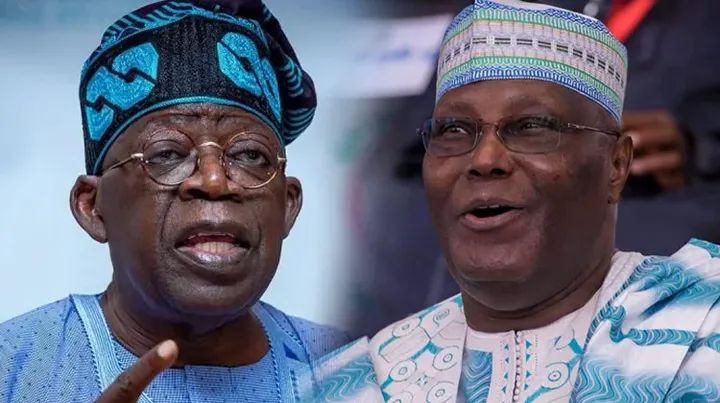
Former senator Dayo Adeyeye has expressed confidence that Nigerians will re-elect President Bola Ahmed Tinubu in the 2027 general elections, arguing that the president’s leadership qualities and political experience will give him an advantage over former Vice President Atiku Abubakar. Adeyeye described Tinubu as a builder and nation-builder, suggesting that his record and long involvement in Nigerian politics make him a strong contender for another presidential mandate. His comments add to the growing political debate surrounding the 2027 elections, as supporters of different political parties begin making arguments for why their preferred candidates deserve the support of the electorate.
Adeyeye’s prediction comes at a time when political activities are gradually intensifying ahead of the next general election. Although the election is still months away, political figures across party lines are already expressing confidence in their candidates while assessing the strengths and weaknesses of their potential opponents. For supporters of the ruling All Progressives Congress (APC), Tinubu’s experience in politics and his longstanding influence in party organisation are important factors that could shape the contest. However, whether those advantages will translate into electoral victory will ultimately depend on voters’ assessments of his administration and the alternatives presented by opposition parties.
Describing Tinubu as a builder, Adeyeye appears to be emphasising the president’s political background and his reputation among supporters as someone who has helped develop political structures and nurture political leaders. Tinubu served as governor of Lagos State from 1999 to 2007 and remained an influential figure in Nigerian politics after leaving office. His supporters frequently point to his role in building the political network that contributed to the formation of the APC and its eventual victory in the 2015 presidential election. They also argue that his experience in governance and party organisation gives him the political capacity to pursue his vision for the country.
The former senator’s reference to nation-building also touches on one of the central issues likely to dominate the 2027 presidential campaign. Nigerians are expected to pay close attention to questions of economic recovery, national security, infrastructure development, employment opportunities and the cost of living. For the ruling party, the challenge will be to convince voters that the policies introduced under Tinubu are producing meaningful improvements in their daily lives. While supporters may point to ongoing reforms and long-term economic objectives, critics are likely to focus on the immediate financial pressures experienced by households and businesses across the country.
Atiku Abubakar, whom Adeyeye believes Tinubu will defeat, remains a prominent opposition figure with considerable political experience. The former vice president served under President Olusegun Obasanjo from 1999 to 2007 and has contested the presidency on several occasions. His supporters argue that his experience in government, understanding of economic issues and longstanding presence in national politics make him a formidable candidate. Consequently, any contest involving Atiku and Tinubu would likely attract significant attention, particularly as voters compare their policy proposals, leadership records and plans for addressing Nigeria’s persistent challenges.
The political rivalry between the two figures reflects the broader competition between the ruling APC and opposition forces seeking to alter the direction of the country. Nigeria’s presidential elections are often influenced by several factors, including party structures, regional alliances, candidate popularity, campaign organisation and the ability to mobilise voters. Political endorsements and confident predictions can help energise supporters, but they do not necessarily determine the outcome of an election. Ultimately, candidates must persuade voters across different communities and social groups that their programmes offer credible solutions to the country’s problems.
Tinubu’s economic reforms are likely to feature prominently in arguments presented by both his supporters and opponents. Since taking office in May 2023, his administration has pursued major policy changes, including the removal of the petrol subsidy and reforms to the foreign exchange system. The government has defended these measures as necessary steps towards improving public finances, addressing structural economic problems and creating conditions for long-term growth. However, the reforms have also generated considerable public debate because of their effects on transport costs, food prices and household purchasing power. How voters assess the balance between the intended long-term benefits and the immediate economic difficulties could be an important factor in 2027.
For Atiku and other opposition figures, the election could provide an opportunity to present alternative approaches to governance and respond to public dissatisfaction where it exists. Opposition campaigns are likely to focus on the economy, poverty, insecurity, unemployment and concerns about the effectiveness of public institutions. They may also seek to convince voters that a change in leadership would produce better results. The ruling party, in turn, will need to demonstrate progress in these areas and explain why its policies deserve continued public support. This competition is an essential part of democratic politics, where political claims should ultimately be tested against evidence, performance and the electorate’s judgment.
Adeyeye’s prediction has also highlighted the importance of public opinion in the run-up to the next election. Political leaders often express certainty about their candidates’ prospects as a way of strengthening supporters’ confidence and shaping the public conversation. Nevertheless, Nigeria’s electorate is diverse, and voting decisions are influenced by personal experiences, economic circumstances, security concerns, political identity and expectations of future governance. No politician or political group can conclusively determine how Nigerians will vote before the election takes place. The eventual outcome will depend on the candidates who emerge, their campaign strategies, the credibility of the electoral process and the choices made by eligible voters.
As Nigeria moves closer to the 2027 general elections, Adeyeye’s assertion that Nigerians will choose Tinubu over Atiku represents a confident expression of support for the incumbent president. His description of Tinubu as a builder and nation-builder underscores the argument that political experience and the ability to develop enduring structures should count in the president’s favour. However, the opposition will have its own opportunity to present a different assessment of the administration and offer alternative policies. In the end, the most important question will not be which political figure predicts victory most confidently, but which candidate can convince Nigerians that they have the vision, competence and commitment to improve the country’s future.