Physical Address
304 North Cardinal St.
Dorchester Center, MA 02124
Physical Address
304 North Cardinal St.
Dorchester Center, MA 02124

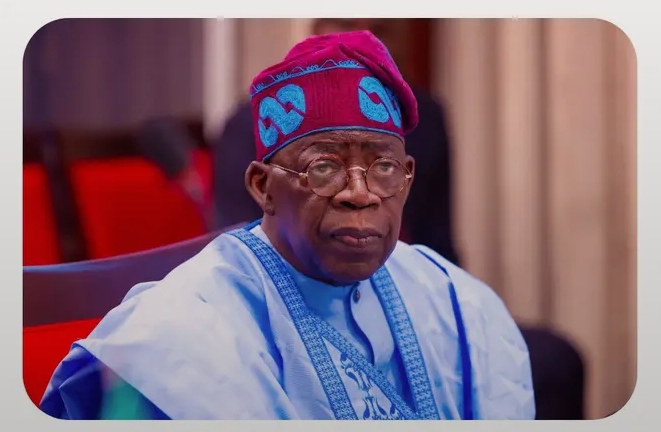
PRESIDENT SEEKS SENATE APPROVAL FOR FRESH N9 TRILLION LOAN. Just when Nigerians thought the borrowing had reached its limit, President Bola Tinubu has walked back to the National Assembly with another jaw-dropping loan request, this time seeking Senate approval to take on a fresh N9 trillion debt. The ask is massive, the timing is uncomfortable, and the questions it raises are ones this administration has so far struggled to answer convincingly.
This is not happening in a vacuum. Nigeria is already sitting on a debt burden that has become one of the most talked-about economic crises of the Tinubu era. Debt servicing has been consuming an obscene share of government revenue, with figures from recent budget cycles showing that the country spends more paying back creditors than it invests in infrastructure, health, or education combined. Against that backdrop, a fresh N9 trillion loan request does not land as a bold economic strategy. It lands as a warning sign.
The presidency will no doubt roll out the usual justifications. They will talk about financing critical infrastructure, bridging the budget deficit, funding social interventions, and stimulating economic growth. These are the standard lines that accompany every borrowing request, and Nigerians have heard them enough times to know that the gap between what loans are promised for and what they actually deliver has never been properly closed. Accountability for previous borrowings remains largely absent, and no serious audit has been placed before the public showing exactly what past debt tranches produced on the ground.
What makes this moment particularly sensitive is the economic condition of ordinary Nigerians. The removal of fuel subsidy and the floating of the naira, both signature Tinubu policies, have driven inflation to levels that have eroded household purchasing power across the country. Food prices remain stubbornly high, the cost of transportation has not come down, and unemployment figures tell a story of a population under severe financial stress. Borrowing more money under these conditions, without a credible and transparent plan for its deployment, risks deepening the very crisis it claims to solve.
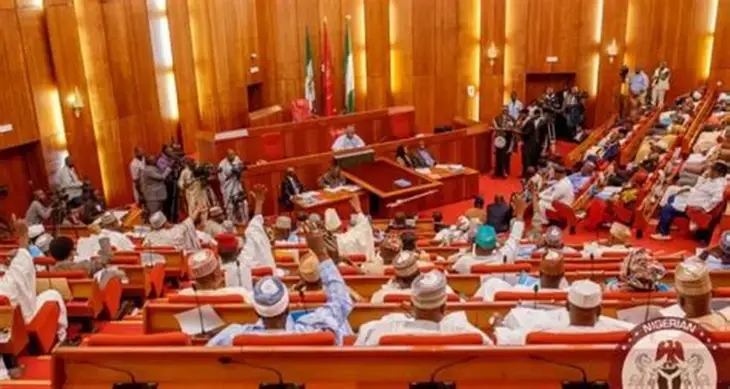
The Senate now carries the weight of this decision. Nigerian lawmakers have a long history of approving executive loan requests with little meaningful scrutiny, often dressing up rubber-stamping as legislative oversight. This time, the chamber has a genuine opportunity to demand something different. Before any approval is granted, Nigerians deserve a full accounting of what previous loans have produced, a detailed and binding breakdown of exactly how this N9 trillion will be spent, and an independent oversight mechanism that does not answer to the same executive that is doing the borrowing.
Nigeria’s debt story will not end well if the current trajectory continues unchallenged. Borrowing to develop is not inherently wrong. But borrowing without accountability, without results, and without a clear path to debt sustainability is a different matter entirely. That is the pattern this administration has yet to break, and N9 trillion more reasons have just been added to the argument that it must.