Physical Address
304 North Cardinal St.
Dorchester Center, MA 02124
Physical Address
304 North Cardinal St.
Dorchester Center, MA 02124

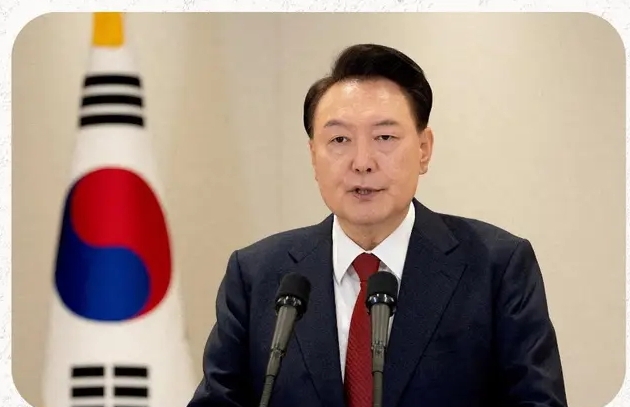
BREAKING: Yoon Suk-yeol Sentenced To Life Imprisonment For Insurrection
In what is being described as one of the most dramatic political downfalls in modern Asian history, former South Korean President Yoon Suk-yeol has been sentenced to life imprisonment after being convicted of leading an insurrection.
Yes — a former sitting president, now facing life behind bars.
What Happened?
On February 19, 2026, the Seoul Central District Court delivered the historic verdict, finding Yoon guilty of attempting to subvert South Korea’s constitutional order.
The charges stem from his shocking declaration of martial law on December 3, 2024, when he deployed troops and security forces around the National Assembly of South Korea in a move prosecutors described as an attempt to paralyze the legislature and consolidate power.
Lawmakers swiftly overturned the declaration within hours — but the political damage had already been done.
Death Penalty Sought — But Life Sentence Given
Prosecutors had pushed for the death penalty, one of the punishments allowed under South Korea’s insurrection laws. However, the court opted for life imprisonment instead.
Although South Korea still retains capital punishment in law, it has not carried out executions in decades.
From President To Prisoner
Yoon, who was elected in 2022, had faced intense political clashes with an opposition-controlled parliament long before the crisis. Following the martial law controversy:
He was impeached.
Removed from office by the Constitutional Court in 2025.
Arrested and detained pending trial.
And now, sentenced to life in prison.
His legal team says they will appeal the ruling.
Why This Is Huge
South Korea has a complicated political history, including periods of military dictatorship before its democratic reforms in the late 1980s. This ruling sends a powerful message:
No one — not even a president — is above the law.
Political analysts say the verdict reinforces the strength of South Korea’s democratic institutions, even in the face of executive overreach.
This development will likely reshape South Korean politics for years to come.
What do you think — is this justice served, or political retribution?