Physical Address
304 North Cardinal St.
Dorchester Center, MA 02124
Physical Address
304 North Cardinal St.
Dorchester Center, MA 02124

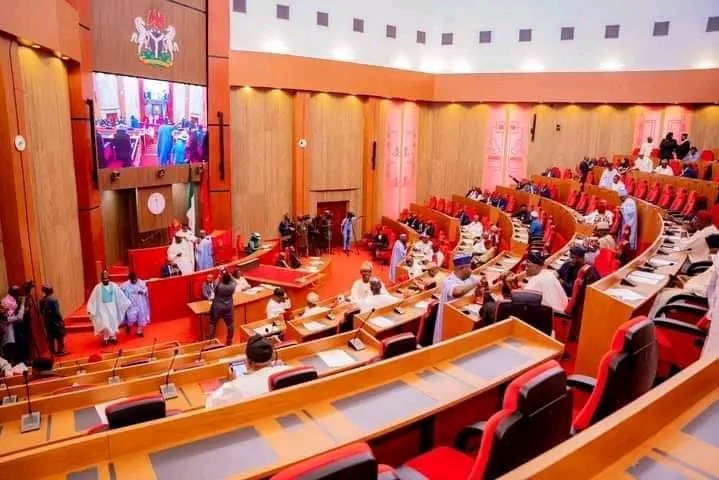
In a move that has sparked intense debate across Nigeria’s political landscape, the Senate has officially passed an amendment to the Electoral Act, providing a legal “safety net” that allows manual results to take precedence over the INEC Result Viewing Portal (IREV) in cases where electronic transmission fails. This decision comes as part of the broader Electoral Act (Repeal and Reenactment) Amendment Bill 2026, aimed at refining the rules ahead of the 2027 general elections.
The Core of the Amendment: The legislative change addresses one of the most contentious issues of the 2023 elections: the reliability of real-time electronic uploads. While the Senate initially faced heavy pressure from civil society and labor unions to make electronic transmission mandatory and binding, the final resolution leans toward a hybrid reality.
The “Failure” Clause: The law now explicitly states that while INEC is mandated to “transmit” results, if technical glitches or network failures prevent the electronic upload to the IREV, the manually collated results from the polling units—signed by party agents and presiding officers—will serve as the primary legal record.
Defining “Transmit”: Lawmakers clarified that the term “transmit” in Section 60(5) includes both electronic and manual methods. This effectively shields the electoral umpire from legal challenges based solely on the absence of IREV data.
BVAS is Still King (For Accreditation): Despite the manual override for results, the Senate maintained that the Bimodal Voter Accreditation System (BVAS) remains the sole mandatory method for voter verification.
Why This Matters: The Senate argues that this amendment is a “pragmatic” response to Nigeria’s infrastructure challenges, particularly in rural areas with poor internet penetration. By allowing manual results to stand, they aim to prevent a vacuum where an entire constituency’s vote could be invalidated simply due to a server error.However, critics and opposition figures argue that this “rollback” creates a loophole for manual manipulation during the collation process—the very thing the IREV was designed to eliminate.
What Happens Next? The Bill now moves toward harmonization with the House of Representatives version. If both chambers align and the President signs it into law, the 2027 elections will operate under a legal framework where the “paper trail” remains the ultimate authority in Nigerian law.